Specialization and product range
Unexpected Maker specializes in the design of development boards, IoT modules, and devices based on ESP32 microcontrollers, particularly ESP32-S3 and ESP32-C6. The products are intended for both hobbyist use and professional embedded applications requiring compact solutions with advanced wireless connectivity.
Microcontrollers and development platforms
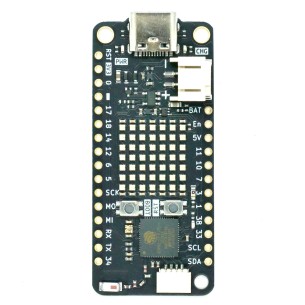
The portfolio includes a wide range of development boards such as TinyS3, FeatherS3, ProS3, and EdgeS3, differing in form factor, performance, and expansion capabilities. These designs often feature extended Flash and PSRAM memory, multiple communication interfaces, and support for Wi-Fi and Bluetooth. Many boards follow popular standards like Feather, enabling easy integration with expansion modules.
IoT modules and wireless communication
Unexpected Maker products utilize modern communication technologies including Wi-Fi, Bluetooth 5, and in newer designs also Zigbee and Thread. Selected models feature switchable antennas, both onboard and external, allowing adaptation of RF performance to specific project requirements.
Interactive devices and displays
The company also develops devices with user interfaces, including RGB LED matrix modules, touch panels, and portable development devices. These designs often integrate displays, motion sensors, audio components, and battery support, enabling the creation of interactive and mobile applications.
Kits and specialized projects
Unexpected Maker offers kits for self-assembly as well as specialized solutions such as SMD reflow controllers and wearable devices. The products are designed for easy integration into custom projects and prototyping environments.
Community and education
Supporting the community remains an important part of the brand’s activity. The creator runs a YouTube channel and regular livestreams presenting projects, hardware development processes, and practical use cases. Additional resources include code examples and supporting materials.
Open source and development
Selected projects are released as open source, enabling modification and integration into other solutions. Repositories provide documentation, design files, and implementation examples, supporting the development of DIY and professional projects.
Technological innovation
Unexpected Maker focuses on implementing new hardware solutions, including increased memory capacity, advanced power management, and support for modern communication standards. New product lines such as Series[D] introduce greater flexibility and configurable hardware options.
IoT projects and future applications
The products are used in IoT systems, automation, portable devices, and educational projects. Integration of wireless communication, sensors, and user interfaces enables the development of advanced monitoring and control systems aligned with modern technological requirements.