The History of Arduino and the Development of an Open Electronics Platform
The Arduino project was established in 2005 in Ivrea, Italy, initially as a platform designed to help students learn electronics and programming. The development of open-hardware boards and the Arduino IDE contributed to making microcontroller-based prototyping more accessible. Arduino boards can interface with sensors, buttons, displays, communication modules and actuators. The platform is used in education, robotics, home automation, measurement devices and Internet of Things (IoT) projects. Available documentation, programming libraries and example projects support the development of systems ranging from basic control circuits to more complex embedded applications.
Original Arduino UNO, Nano, Mega and Leonardo Boards
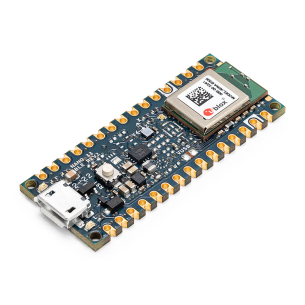
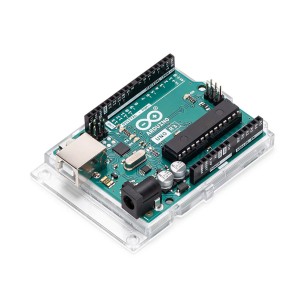
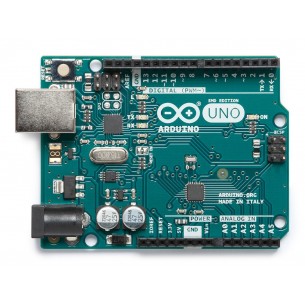
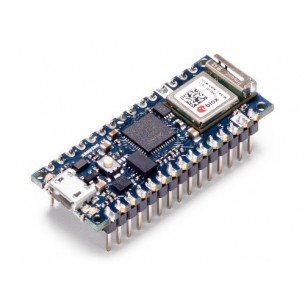
The Arduino range includes development boards with different dimensions, input/output configurations and processing capabilities. The Arduino UNO family includes boards designed for learning programming, prototyping and building control devices, including the UNO R3 and UNO R4 models. The Arduino Mega 2560 provides 54 digital input/output pins and 16 analog inputs, making it suitable for projects requiring connections to numerous components. Compact Arduino Nano boards are well suited to devices with limited installation space, while Arduino Leonardo and Micro feature microcontrollers with native USB support. Explore original Arduino development boards available at Kamami.
Arduino Portenta, MKR and Modern IoT Platforms
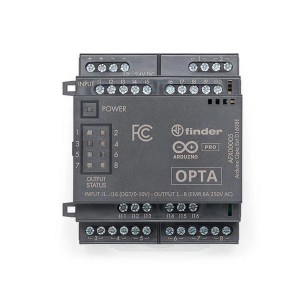
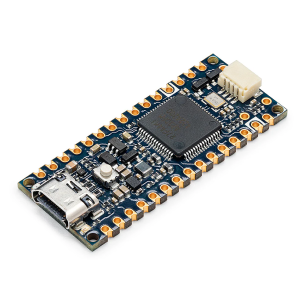
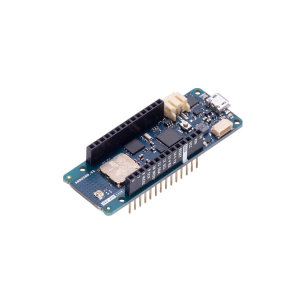
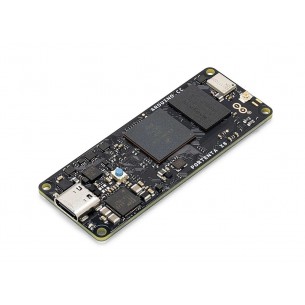
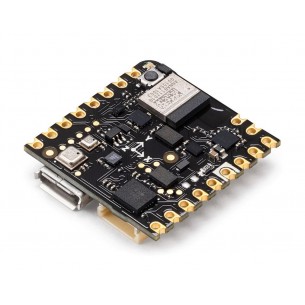
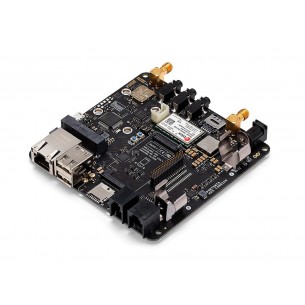
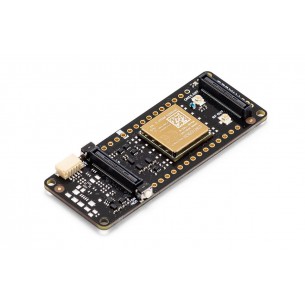
Arduino also develops board families designed for more demanding communication, measurement and industrial applications. The MKR series includes compact boards with selected communication interfaces, used in IoT devices and battery-powered systems. The Portenta family offers platforms with increased processing capabilities for embedded systems, automation and industrial applications. The Arduino range also includes designs combining microcontrollers with processors capable of running more advanced software environments, such as the Arduino UNO Q. Selecting a board depends on the required processing performance, number of interfaces, available communication methods and operating conditions of the device.
Arduino Shields – Communication Modules and Motor Controllers
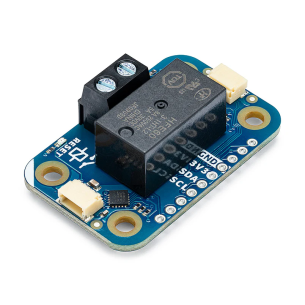
Arduino Shields extend the functionality of compatible base boards by adding interfaces, control circuits and peripheral components. Original Arduino expansion modules include communication boards such as the Ethernet Shield and Wireless Shield, enabling wired network connectivity or integration with suitable wireless modules. Motor controllers are also available for mobile robots and projects requiring motor control. Installing expansions through compatible connectors reduces the need for extensive wiring, although compatibility between the specific board and shield must be checked beforehand. Explore Arduino Shield expansion modules, Arduino communication modules and Arduino motor controllers at Kamami.
Arduino Starter Kits for Learning Electronics and Programming
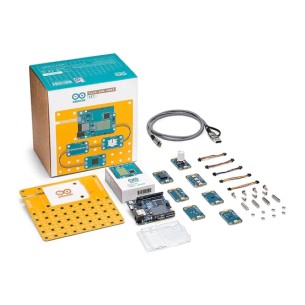
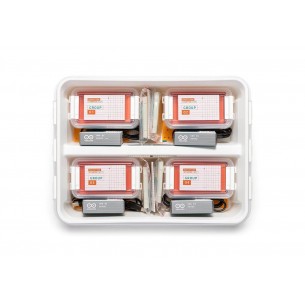
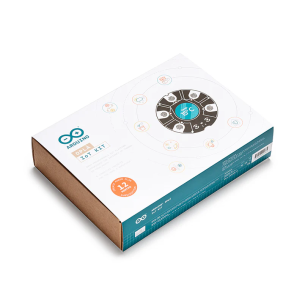
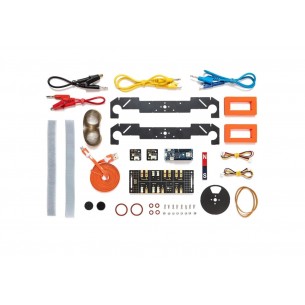
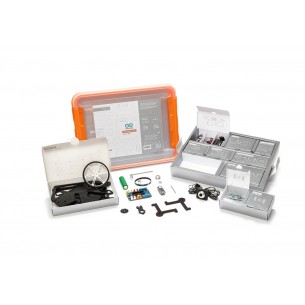
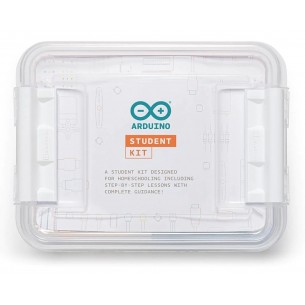
Arduino offers educational kits designed to introduce microcontroller operation, electronics fundamentals and control programming step by step. Official starter kits may include a development board, breadboard, jumper wires, resistors, LEDs, sensors and other components required for practical exercises. Individual kits differ in their contents and accompanying educational materials. These sets allow users to experiment with digital inputs and outputs, analog measurements, lighting control and communication with peripheral devices. They are suitable for independent learning, classroom activities and technical workshops. Explore original Arduino starter kits available at Kamami.
Arduino Prototyping Boards and Project Expansion Accessories
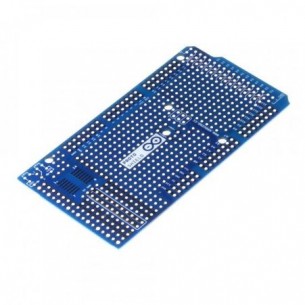
Arduino prototyping boards allow additional electronic components to be mounted and custom circuits to be developed for use with base boards. Available products include Proto Shield boards and expansions with soldering areas, designed for connecting sensors, connectors and discrete components. These solutions support the transition from initial breadboard experiments to more permanent prototypes. Selected manufacturer accessories are also available for expanding projects and organizing development workstations. Before choosing a product, it is important to check dimensional compatibility, connector placement and electrical requirements. Explore Arduino prototyping boards and Arduino accessories available at Kamami.
Displays and Cases for Arduino Boards
The Arduino range also includes selected display modules and cases designed for compatible development boards. Displays provide a way to present measurement data, messages and user interface elements, while cases help protect electronics against accidental contact and mechanical damage. When assembling a device, it is important to check the supported display interface as well as the compatibility of enclosure dimensions and mounting holes with the selected board. Explore Arduino displays and Arduino cases available at Kamami.
Arduino in Education, Robotics and Automation Projects
Arduino is used in electronics education as well as the development of measurement devices, robots, controllers and Internet of Things systems. The open programming environment, extensive documentation and libraries supporting popular sensors and communication modules make it easier to add new functions to a device. Projects can involve motor control, environmental monitoring, data logging and transmitting information to a computer or network. Arduino is also used for rapidly testing concepts before designing a dedicated electronic circuit board. Choosing a platform and its expansions requires consideration of power supply requirements, the number of inputs and outputs, communication interfaces and available hardware resources.