.png)









- Obecnie brak na stanie


Although the core of the SQL language remains relatively unchanged, the most recent release of the SQL standard (SQL:2008) includes two sets of extensions: 1) support for object-relational databases and 2) support for XML. The second edition of this book included some material about the object-relational extensions. However, that set of commands has been greatly extended and the new edition takes that into account. The XML extensions are entirely new to the third edition. A chapter on basic relational concepts will be also added to broaden the audience and make the book more complete in its own right.
All of the chapters will be revised to be sure they are up to date. Chapter 10 ("Views, Temporary Tables, and Indexes") from the second edition will be expanded to include common table expression (CTEs). The material in the existing Chapter 14 ("Unimplemented SQL-92 Features 251") will be disbursed through the chapters where the particular type of operation is discussed. While the content throughout will be updated where necessary, the existing organizational structure through chapter 14 will remain largely intact because this coverage represents the stable portion of the SQL language.
There will be two NEW chapters at the beginning of the book. Chapter 1 ("The Relational Data Model") covers the relational data model conceptual material; Chapter 2 ("Manipulating Relations with Relational Algebra") covers the relational algebra material that will be pulled from the retrieval chapters. Part 5 ("Non-relational SQL Extensions") will now include the non-relational SQL extensions in three chapters. Chapter 17 (NEW) will cover XML. Chapter 18 will contain the object-relational conceptual material from the original chapter 15 and chapter 19 (NEW) will cover SQL object-relational support. (Some of chapter 19 will come from the second edition, however, a great deal of object-relational support has been added to the current standard and therefore needs to be added.) The other NEW chapter is Chapter 14, which covers triggers and stored procedures. This material was missing from previous editions. Many readers should find it a useful addition.
Chapter 1: The relational data model
Chapter 2: Manipulating relations with relational algebra
Chapter 3: Introduction to SQL
Chapter 4: Simple SQL retrieval
Chapter 5: Retrieving data from more than one table
Chapter 6: Advanced retrieval operations
Chapter 7: Calculations and grouping queries
Chapter 8: Data Modifications
Chapter 9: Schemas and tables
Chapter 10: Views, temporary tables, CTEs and indexes
Chapter 11: Keeping the design up to date
Chapter 12: Users and access rights
Chapter 13: Users, sessions, and transaction manipulation
Chapter 14: Triggers and stored procedures
Chapter 15: Embedded SQL
Chapter 16; Dynamic SQL
Chapter 17: XML support
Chapter 18: The object-relational data model
Chapter 19: Object-relational support
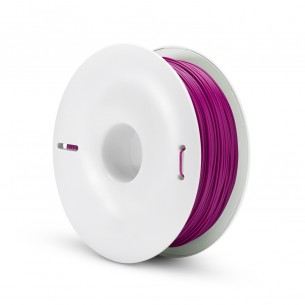
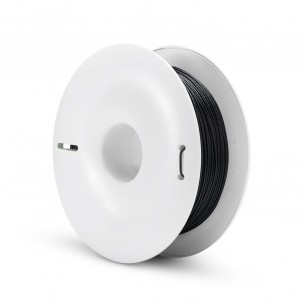
Filament Easy PLA w kolorze Purple o średnicy 1,75 mm. Na szpuli nawinięte jest 0,85 kg filamentu. Fiberlogy Easy PLA Purple
Brak towaru
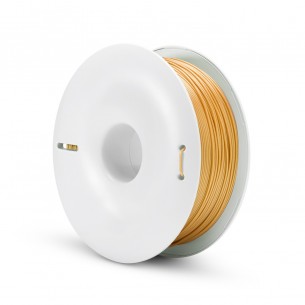
Filament Easy PLA w kolorze True gold o średnicy 1,75 mm. Na szpuli nawinięte jest 0,85 kg filamentu. Fiberlogy Easy PLA True gold
Brak towaru
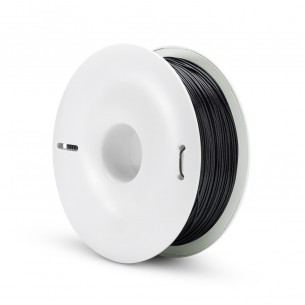
Filament Easy PLA w kolorze Onyx o średnicy 1,75 mm. Na szpuli nawinięte jest 0,85 kg filamentu. Fiberlogy Easy PLA Onyx
Brak towaru
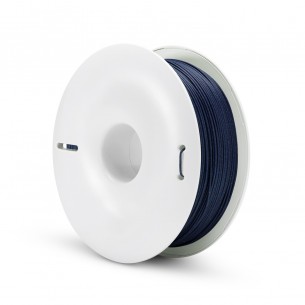
Filament Easy PLA w kolorze Aurora o średnicy 1,75 mm. Na szpuli nawinięte jest 0,85 kg filamentu. Fiberlogy Easy PLA Aurora
Brak towaru
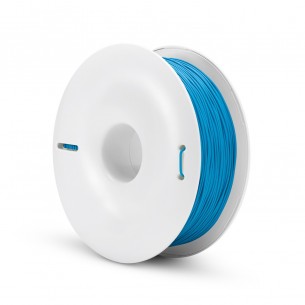
Filament ASA w kolorze Blue o średnicy 1,75 mm. Na szpuli nawinięte jest 0,75 kg filamentu. Fiberlogy ASA Blue
Brak towaru
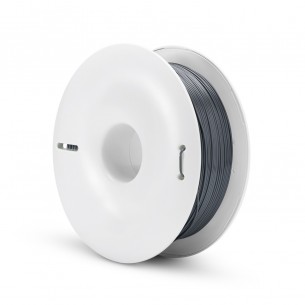
Filament ASA w kolorze Graphite o średnicy 1,75 mm. Na szpuli nawinięte jest 0,75 kg filamentu. Fiberlogy ASA Graphite
Brak towaru
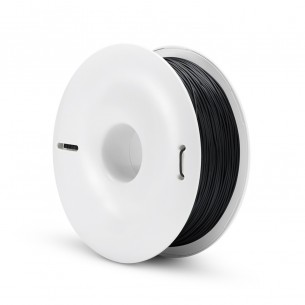
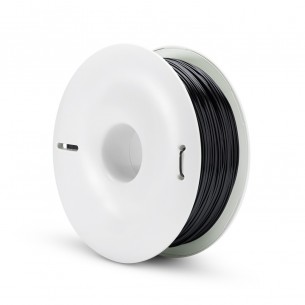
Filament FiberFlex 30D w kolorze Black o średnicy 1,75 mm. Na szpuli nawinięte jest 0,85 kg filamentu. Fiberlogy FiberFlex 30D Black
Brak towaru
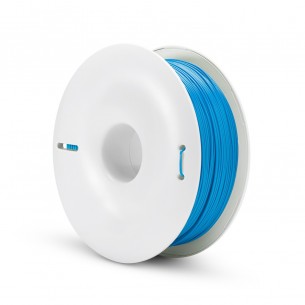
Filament FiberFlex 30D w kolorze Blue o średnicy 1,75 mm. Na szpuli nawinięte jest 0,85 kg filamentu. Fiberlogy FiberFlex 30D Blue
Brak towaru
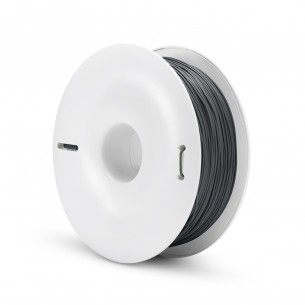
Filament FiberFlex 30D w kolorze Graphite o średnicy 1,75 mm. Na szpuli nawinięte jest 0,85 kg filamentu. Fiberlogy FiberFlex 30D Graphite
Brak towaru
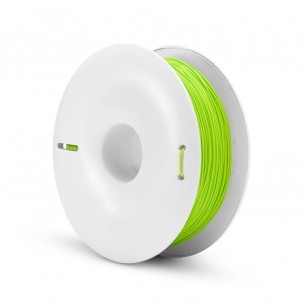
Filament FiberFlex 30D w kolorze Light green o średnicy 1,75 mm. Na szpuli nawinięte jest 0,85 kg filamentu. Fiberlogy FiberFlex 30D Light green
Brak towaru
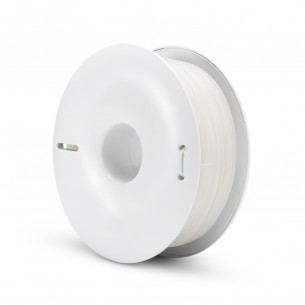
Filament Nylon PA12 w kolorze Natural o średnicy 1,75 mm. Na szpuli nawinięte jest 0,75 kg filamentu. Fiberlogy Nylon PA12 Natural
Brak towaru
Filament Nylon PA12 w kolorze Black o średnicy 1,75 mm. Na szpuli nawinięte jest 0,75 kg filamentu. Fiberlogy Nylon PA12 Black
Brak towaru
Filament Nylon z dodatkiem włókna węglowego PA12 + CF5 w kolorze Black o średnicy 1,75 mm. Na szpuli nawinięte jest 0,5 kg filamentu. Fiberlogy Nylon PA12 + CF5 Black
Brak towaru
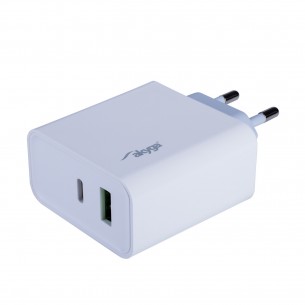
Uniwersalna ładowarka sieciowa USB o mocy 45 W i wyjściu 5-20V/3A. Wyposażona została w gniazda USB typu A oraz USB typu C, funkcję szybkiego ładowania QC3.0 oraz Power Delivery. Akyga AK-CH-14
Brak towaru
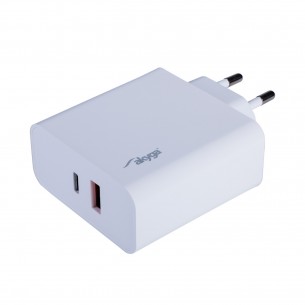
Uniwersalna ładowarka sieciowa USB o mocy 65 W i wyjściu 5-20V/3A. Wyposażona została w gniazda USB typu A oraz USB typu C, funkcję szybkiego ładowania QC3.0 oraz Power Delivery. Akyga AK-CH-15
Brak towaru
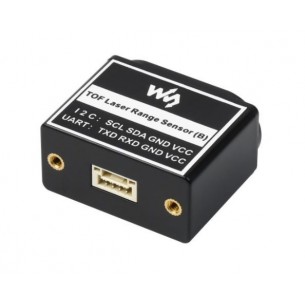
Laserowy czujnik odległości o zasięgu pomiarowym od 0,1 m do 15 m. Komunikuje się przez interfejs UART lub I2C. Waveshare TOF Laser Range Sensor (B)
Brak towaru