.png)


- Obecnie brak na stanie


Physics of Condensed Matter is designed for a two-semester graduate course on condensed matter physics for students in physics and materials science. While the book offers fundamental ideas and topic areas of condensed matter physics, it also includes many recent topics of interest on which graduate students may choose to do further research. The text can also be used as a one-semester course for advanced undergraduate majors in physics, materials science, solid state chemistry, and electrical engineering, as it offers a breadth of topics applicable to these majors.
The book begins with a clear, coherent picture of simple models of solids and properties, and progresses to more advanced properties and topics later in the book. It offers a comprehensive account of the modern topics in condensed matter physics by including introductory accounts of the areas of research where intense research is underway. The book assumes a working knowledge of quantum mechanics, statistical mechanics, electricity and magnetism and Green's function formalism (for the second-semester curriculum).
Covers many advanced topics and recent developments in condensed matter physics which are not included in other texts and are hot areas: Spintronics, Heavy fermions, Metallic nanoclusters, Zno, Graphene and graphene-based electronic, Quantum hall effect, High temperature superdonductivity, Nanotechnology
A diverse number of Experimental techniques clearly simplified
End of chapter problems
Chapter 1. Basic Properties of Crystals
Chapter 2. Phonons and Lattice Vibrations
Chapter 3. Free Electron Model
Chapter 4. Nearly Free Electron Model
Chapter 5. Band Structure Calculations
Chapter 6. Static and Transport Properties of Solids
Chapter 7. Electron-Electron Interaction
Chapter 8. Dynamics of Bloch Electrons
Chapter 9. Semiconductors
Chapter 10. Electronics
Chapter 11. Spintronics
Chapter 12. Diamagnetism and Paramagnetism
Chapter 13. Magnetic Ordering
Chapter 14. Superconductivity
Chapter 15. Heavy Fermions
Chapter 16. Metallic Nanoclusters
Chapter 17. Complex Structures
Chapter 18. Novel Materials
Appendix A. Space Groups and Point Groups
Appendix B. Mossbauer Effect
Appendix C. Introduction to Renormalization Group Approach
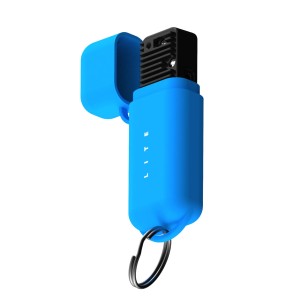
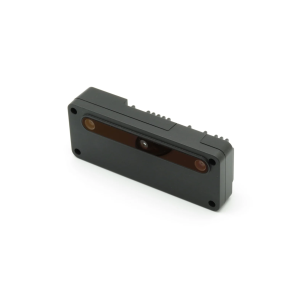
Etui OAK-D Lite Carrying Case to idealne rozwiązanie do bezpiecznego przechowywania urządzenia OAK-D Lite w plecaku lub torbie
Brak towaru
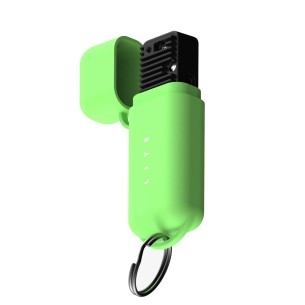
Etui OAK-D Lite Carrying Case to idealne rozwiązanie do bezpiecznego przechowywania urządzenia OAK-D Lite w plecaku lub torbie
Brak towaru
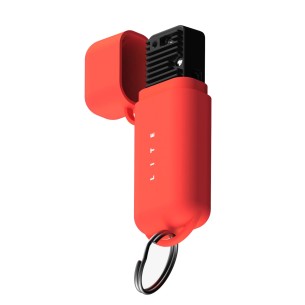
Etui OAK-D Lite Carrying Case to idealne rozwiązanie do bezpiecznego przechowywania urządzenia OAK-D Lite w plecaku lub torbie
Brak towaru
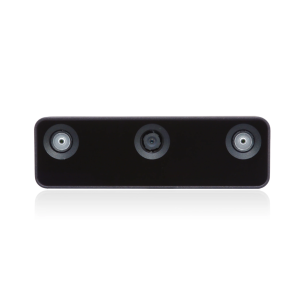
Zaawansowana kamera AI, oferująca 4 TOPS mocy obliczeniowej oraz możliwość uruchamiania dowolnych modeli AI. Dzięki trzem parom kamer stereo, z różnymi odległościami bazowymi, umożliwia precyzyjną percepcję głębi na krótki i długi dystans, nawet ponad 100 metrów, a wymienne obiektywy M12 pozwalają na elastyczną konfigurację. Kamera obsługuje kodowanie wideo w formatach H.264, H.265 oraz MJPEG, ma zintegrowany moduł IMU, spełnia normy IP65 i może być zasilana przez USB-C, co czyni ją idealną do zastosowań w trudnych warunkach przemysłowych i zewnętrznych. Luxonis OAK-D Long Range
Brak towaru
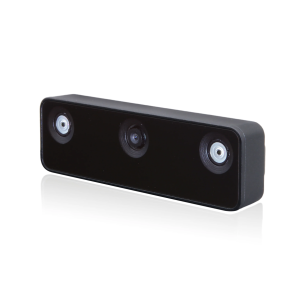
Kamera do wizji robotycznej, która łączy stereoskopowe widzenie głębi z wysokiej rozdzielczości kamerą RGB, oferując analizę obrazu w czasie rzeczywistym. Dzięki wbudowanym funkcjom przetwarzania AI i mocy obliczeniowej 4 TOPS, kamera obsługuje niestandardowe modele AI, a także śledzenie obiektów w 2D i 3D. Wytrzymała obudowa aluminiowa, port USB-C oraz zintegrowany 9-osiowy moduł inercyjny czynią ją idealnym rozwiązaniem dla projektów wymagających precyzyjnej wizji, śledzenia ruchu i analizy głębi w zastosowaniach robotycznych. Luxonis OAK-D Wide
Brak towaru
Kamera do wizji robotycznej, która łączy stereoskopowe widzenie głębi z wysokiej rozdzielczości kamerą RGB, oferując analizę obrazu w czasie rzeczywistym. Dzięki wbudowanym funkcjom przetwarzania AI i mocy obliczeniowej 4 TOPS, kamera obsługuje niestandardowe modele AI, a także śledzenie obiektów w 2D i 3D. Wytrzymała obudowa aluminiowa, port USB-C oraz zintegrowany 9-osiowy moduł inercyjny czynią ją idealnym rozwiązaniem dla projektów wymagających precyzyjnej wizji, śledzenia ruchu i analizy głębi w zastosowaniach robotycznych. Luxonis OAK-D Wide Global Shutter
Brak towaru
Kamera do wizji robotycznej, która łączy stereoskopowe widzenie głębi z wysokiej rozdzielczości kamerą RGB, oferując analizę obrazu w czasie rzeczywistym. Dzięki wbudowanym funkcjom przetwarzania AI i mocy obliczeniowej 4 TOPS, kamera obsługuje niestandardowe modele AI, a także śledzenie obiektów w 2D i 3D. Wytrzymała obudowa aluminiowa, port M12 PoE oraz zintegrowany 6-osiowy moduł inercyjny czynią ją idealnym rozwiązaniem dla projektów wymagających precyzyjnej wizji, śledzenia ruchu i analizy głębi w zastosowaniach robotycznych. Połączenie Ethernet umożliwia kamerom komunikację z innymi komputerami za pomocą protokołów sieciowych, a funkcja PoE zasilanie jednym przewodem. Luxonis OAK-D Wide PoE
Brak towaru
Kamera do wizji robotycznej, która łączy stereoskopowe widzenie głębi z wysokiej rozdzielczości kamerą RGB, oferując analizę obrazu w czasie rzeczywistym. Dzięki wbudowanym funkcjom przetwarzania AI i mocy obliczeniowej 4 TOPS, kamera obsługuje niestandardowe modele AI, a także śledzenie obiektów w 2D i 3D. Wytrzymała obudowa aluminiowa, port USB-C oraz zintegrowany 6-osiowy moduł inercyjny czynią ją idealnym rozwiązaniem dla projektów wymagających precyzyjnej wizji, śledzenia ruchu i analizy głębi w zastosowaniach robotycznych. Połączenie Ethernet umożliwia kamerom komunikację z innymi komputerami za pomocą protokołów sieciowych, a funkcja PoE zasilanie jednym przewodem. Luxonis OAK-D Wide PoE Global Shutter
Brak towaru
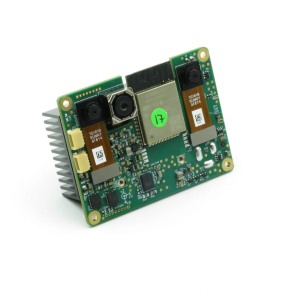
Zaawansowany moduł z kamerami do systemów IoT, który łączy stereoskopowe widzenie głębi z wysokiej rozdzielczości kamerą RGB. Dzięki wbudowanym możliwościom przetwarzania sieci neuronowych i widzenia komputerowego, kamera umożliwia analizę obrazu w czasie rzeczywistym, a łączność i zasilanie realizowane są przez port USB typu C z szybkim transferem danych (USB 3.2 Gen1). Moduł wyposażony jest w dodatkowe technologie, takie jak ESP32 dla komunikacji bezprzewodowej (WiFi, BLE) oraz 9-osiowy IMU BNO085, co czyni go idealnym rozwiązaniem do zastosowań w robotyce i analizie ruchu. Luxonis OAK-D-IoT-40
Brak towaru
Zaawansowany moduł z kamerami do systemów IoT, który łączy stereoskopowe widzenie głębi z wysokiej rozdzielczości kamerą RGB. Dzięki wbudowanym możliwościom przetwarzania sieci neuronowych i widzenia komputerowego, kamera umożliwia analizę obrazu w czasie rzeczywistym, a łączność i zasilanie realizowane są przez port USB typu C z szybkim transferem danych (USB 3.2 Gen1). Moduł wyposażony jest w dodatkowe technologie, takie jak ESP32 dla komunikacji bezprzewodowej (WiFi, BLE), 6 mikrofonów, głośnik oraz 9-osiowy IMU BNO085, co czyni go idealnym rozwiązaniem do zastosowań w systemach Internetu Rzeczy. Luxonis OAK-D-IoT-40 S2
Brak towaru
Zaawansowany moduł z kamerami do systemów IoT, który łączy stereoskopowe widzenie głębi z wysokiej rozdzielczości kamerą RGB. Dzięki wbudowanym możliwościom przetwarzania sieci neuronowych i widzenia komputerowego, kamera umożliwia analizę obrazu w czasie rzeczywistym, a łączność i zasilanie realizowane są przez port USB typu C z szybkim transferem danych (USB 3.2 Gen1). Moduł wyposażony jest w dodatkowe technologie, takie jak ESP32 dla komunikacji bezprzewodowej (WiFi, BLE) oraz 9-osiowy IMU BNO086, co czyni go idealnym rozwiązaniem do zastosowań w robotyce i analizie ruchu. Luxonis OAK-D-IoT-75
Brak towaru
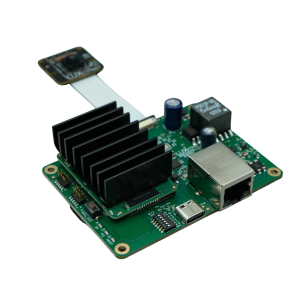
Elastyczna platforma prototypowa z wbudowanym modułem OAK-SoM-PRO, oferującym 4 TOPS mocy obliczeniowej (1,4 TOPS dla AI) oraz obsługę sieci neuronowych, idealna do zaawansowanych projektów widzenia komputerowego. Dzięki Power-over-Ethernet, wsparciu dla wielu modułów kamer FFC i obsłudze niestandardowych modeli AI, platforma ta umożliwia łatwe dopasowanie sprzętu do specyficznych potrzeb, oferując rozdzielczości do 4K/30 FPS i obsługę różnorodnych funkcji przetwarzania obrazu. Luxonis OAK-FFC-1P PoE
Brak towaru
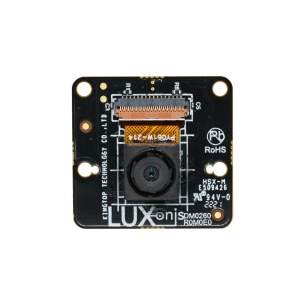
Moduł kamery z sensorem AR0234, który wykorzystuje kolorowy sensor 1/2.6 cala z migawką Global Shutter, co umożliwia rejestrowanie dynamicznych scen bez rozmycia przy rozdzielczości 2,3 MP (1920x1200) i pikselach o rozmiarze 3 μm. Obsługuje tryby pracy RVC2 (1920x1200, 60 FPS) oraz RVC4 (1920x1080, 30 FPS) z interfejsem MIPI, a wbudowany procesor ISP wspiera automatyczne i manualne ustawienia obrazu, w tym ekspozycję, balans bieli oraz ostrość. Kompaktowy rozmiar 25 x 25 mm, złącze FFC i montaż obiektywu M12 czynią go idealnym do aplikacji przemysłowych, IoT i systemów wizyjnych. Luxonis OAK-FFC AR0234 M12
Brak towaru
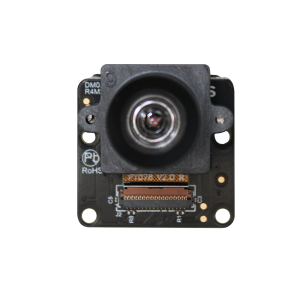
Moduł kamery z sensorem IMX214, która oferuje rozdzielczość 13 MP (4208x3120) z migawką Rolling Shutter, zapewniając wysoką jakość obrazu oraz szeroki kąt widzenia 117° DFOV. Kamera obsługuje zaawansowane funkcje ISP, takie jak Auto Exposure, Auto White Balance, Auto Focus oraz manualne ustawienia ekspozycji i balansu bieli, co czyni ją idealnym rozwiązaniem do zaawansowanych aplikacji, takich jak systemy monitoringu czy robotyka. Luxonis OAK-FFC AR0234 M12
Brak towaru
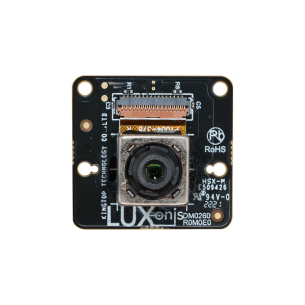
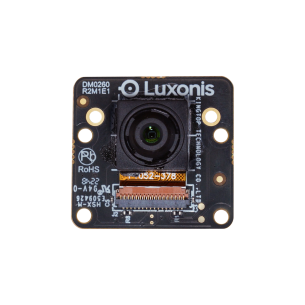
Moduł kamery z sensorem IMX378, która oferuje rozdzielczość 12 MP (4056x3040) przy użyciu migawki typu Rolling Shutter, zapewniając wysoką jakość obrazu oraz szeroki kąt widzenia 81° DFOV. Wyposażony w zaawansowane funkcje ISP, takie jak Auto Exposure, Auto White Balance oraz Auto Focus, moduł zapewnia elastyczność ustawień ekspozycji i balansu bieli, co czyni go idealnym do zastosowań w systemach monitoringu, robotyce i kamerach samochodowych. Luxonis OAK-FFC IMX378 Auto-Focus
Brak towaru
Moduł kamery z sensorem IMX378, która oferuje rozdzielczość 12 MP (4056x3040) przy użyciu migawki typu Rolling Shutter, zapewniając wysoką jakość obrazu oraz szeroki kąt widzenia 81° DFOV. Wyposażony w zaawansowane funkcje ISP, takie jak Auto Exposure, Auto White Balance oraz Auto Focus, moduł zapewnia elastyczność ustawień ekspozycji i balansu bieli, co czyni go idealnym do zastosowań w systemach monitoringu, robotyce i kamerach samochodowych. Luxonis OAK-FFC IMX378 Fixed-Focus
Brak towaru