.png)


- Obecnie brak na stanie
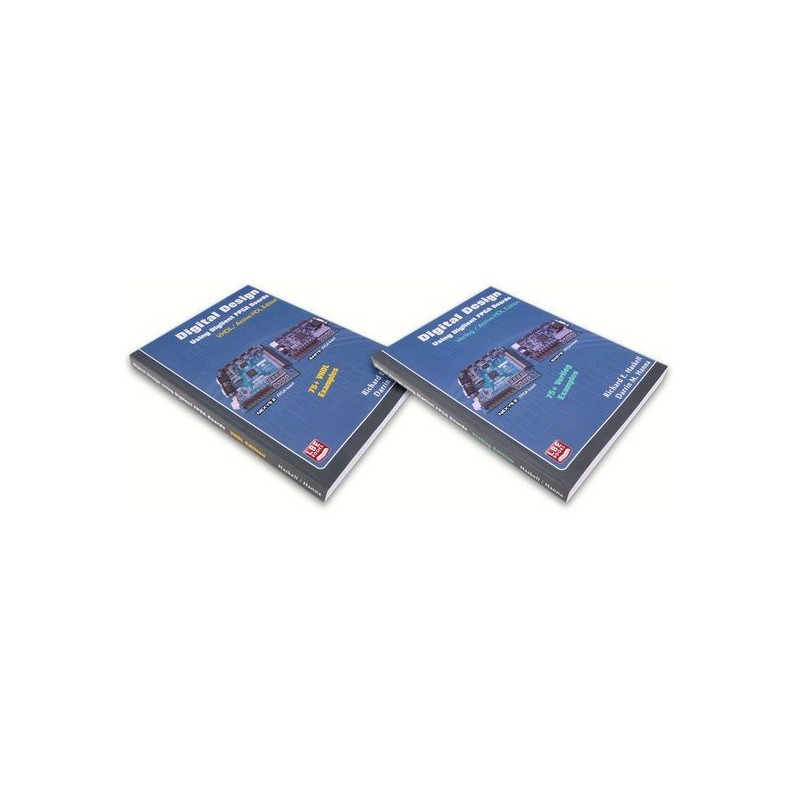

Digital Design - Richard E. Haskell & Darrin M. Hanna
Book - Digital Design - Richard E. Haskell & Darrin M. Hanna - EDU
"Digital Design using Digilent FPGA Boards" 2nd Edition, 2012
Written by Richard E. Haskell & Darrin M. Hanna
This book uses over 75 examples to show you how to get started designing digital circuits in VHDL or Verilog, simulate them, and quickly and easily download them to your Basys™ or Nexys2™ board. Get up and running quickly from the basics to the 7-segment display, memory, VGA port, PS/2 port, and more - step-by-step, by example!
A major revolution in digital design has taken place over the past decade. Field programmable gate arrays (FPGAs) can now contain over a million equivalent logic gates and tens of thousands of flip-flops. This means that it is not possible to use traditional methods of logic design involving the drawing of logic diagrams when the digital circuit may contain thousands of gates. The reality is that today digital systems are designed by writing software in the form of hardware description languages (HDLs). The most common HDLs used today are VHDL and Verilog. Both are in widespread use. When using these hardware description languages the designer typically describes the behavior of the logic circuit rather than writing traditional Boolean logic equations. Computer-aided design tools are used to both simulate the VHDL or Verilog design and to synthesize the design to actual hardware.
This book assumes no previous knowledge of digital design. You start at the beginning learning about basic gates, logic equations, Boolean algebra, and Karnaugh maps. In over 75 examples we show you how to design digital circuits using VHDL or Verilog, simulate them using the Aldec Active-HDL simulator, and synthesize the designs to a Xilinx Spartan3E FPGA on either the Basys™ or Nexys2™ FPGA board. A free student edition of Active-HDL simulator is available from Aldec Inc (www.aldec.com). To synthesize your design to a Spartan3E FPGA, you will need to download the Free ISE WebPACK from Xilinx Inc.(www.xilinx.com) The Xilinx synthesis tools are called from within the Aldec Active-HDL integrated GUI. We will use the ExPort utility to download your synthesized design to the Spartan3E FPGA. ExPort is part of the Adept software suite that you can download free from Digilent, Inc.
Important Notes on Software and Hardware Versions
To program a Basys2 or Nexys2 board, you must use a "front end" design tool to create a source file that defines the intended circuit, and "back end" tools to synthesize the source file and download it to the board. Xilinx's free Webpack software contains all needed tools, including source file editors, a synthesizer, and downloader. Aldec also produces a free front-end tool that can be used to create source files. Called Active-HDL, this front-end design tool presents a more student-friendly design interface, and it can automatically route design files to Xilinx's back-end tools. The authors recommend Active-HDL due to its more intuitive interface.
If you are using a Basys board, you must use the user constraints file (.ucf) file for the Basys board (basys.ucf) available at http://www.lbebooks.com/downloads.htm
If you are using a Basys2 board, you must use the user constraints file (.ucf) file for the Basys2 board (basys2board.ucf) available at http://www.lbebooks.com/downloads.htm and you must download the Adept 2.1 (or above) software from the Adept Software page.
You cannot use Adept 1.10 with the Basys2 board.
Table of Contents:
Manufacturer: Digilent
Code: 593-000
Producent
Osoba odpowiedzialna
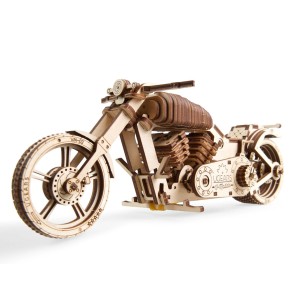
Puzzle 3D "Motocykl VM-02" to elegancki, realistyczny model do samodzielnego montażu, wykonany z wysokiej jakości sklejki, z potężnym silnikiem na gumę i szczegółowym wzornictwem, który stanowi doskonały prezent i atrakcyjną ozdobę wnętrza, a jednocześnie umożliwia obserwację mechaniki w akcji. UGears 70051
Brak towaru
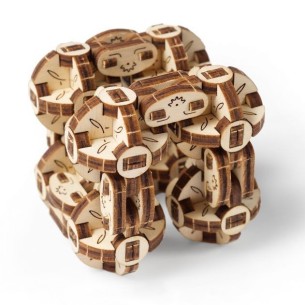
UGears Sześcian Sferyczny Flexi-Cubus to znakomite połączenie łamigłówki i antystresu. Jego zaawansowana konstrukcja i wysoka jakość wykonania sprawiają, że jest to nie tylko interesujący model do złożenia, ale również efektywne narzędzie do poprawy koncentracji i redukcji stresu. Idealny dla osób w każdym wieku, które chcą się zrelaksować i jednocześnie pobudzić swoją kreatywność. UGears 70049
Brak towaru
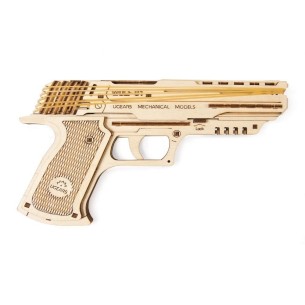
Wolf-01 od Ugears to nie tylko model do składania, ale pełnoprawna, mechaniczna zabawka, która zapewni godziny ekscytującej, ale bezpiecznej zabawy. Z jego pomocą możesz urządzić prawdziwe strzeleckie mistrzostwa w gronie rodziny i przyjaciół, ciesząc się jednocześnie wysoką jakością i funkcjonalnością. UGears 70047
Brak towaru
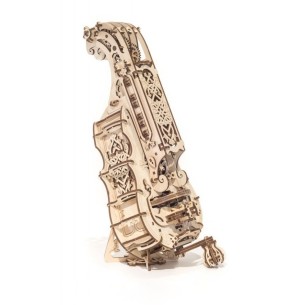
Lira Korbowa od Ugears to nie tylko model do złożenia, ale pełnoprawny instrument muzyczny, który łączy w sobie piękno średniowiecznego rzemiosła z nowoczesnymi technologiami. Dzięki niemu możesz poczuć się jak prawdziwy lutnik i artysta, ciesząc się nie tylko procesem składania, ale i możliwością grania na wyjątkowym instrumencie. UGears 70030
Brak towaru
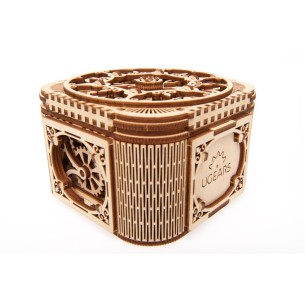
Mechaniczna Skrzynia Skarbów od Ugears to znacznie więcej niż zwykły model do złożenia. To piękna i funkcjonalna skrzynia, która jest również zagadką mechaniczną. Idealna do przechowywania cennych przedmiotów, stanowi wyjątkowy i oryginalny prezent, który z pewnością zaskoczy i zafascynuje. UGears 70031
Brak towaru
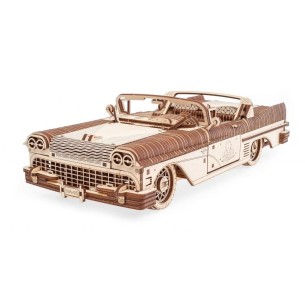
Model Kabriolet Marzeń VM-05 od Ugears to doskonały sposób na doświadczenie uroku lat pięćdziesiątych, łącząc edukacyjny charakter mechaniki z estetyką retro. Z jego zaawansowaną mechaniką i bogatą dbałością o detale, model ten będzie zarówno inspirującą zabawką, jak i ciekawym elementem dekoracyjnym. UGears 70073
Brak towaru
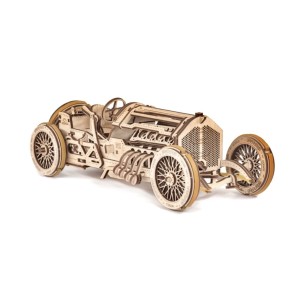
Model drewniany UGears U-9 Grand Prix to nie tylko okazja do zabawy, ale i głębokiego zrozumienia mechaniki i historii motoryzacji. Z jego bogatymi detalami, zaawansowaną mechaniką i zjawiskowym designem, model zapewnia godziny kreatywnej zabawy i edukacji. To doskonały wybór dla każdego, kto chce poczuć emocje związane z dawnymi wyścigami samochodowymi. UGears 70044
Brak towaru
UGears U-Fidgety Kreatywność to nie tylko zestaw mechanicznych modeli do składania, ale także narzędzie edukacyjne i forma relaksu, idealne dla osób w różnym wieku. Zestaw łączy w sobie funkcjonalność, estetykę i wartość edukacyjną, stając się doskonałym wyborem zarówno jako prezent, jak i jako sposób na kreatywne spędzenie czasu. UGears 70041
Brak towaru
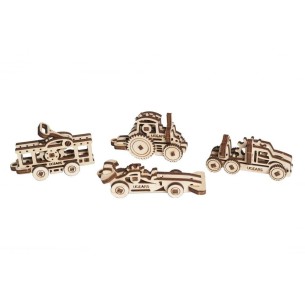
Zestaw UGears U-Fidgety Samoloty to perfekcyjny wybór dla osób w różnym wieku zainteresowanych mechaniką i modelarstwem. Dzięki wysokojakościowej sklejce i łatwości montażu, to nie tylko zabawka, ale i edukacyjne narzędzie. Modele są nie tylko funkcjonalne, ale również estetyczne, co sprawia, że są idealnym prezentem i dekoracją. UGears 70035
Brak towaru
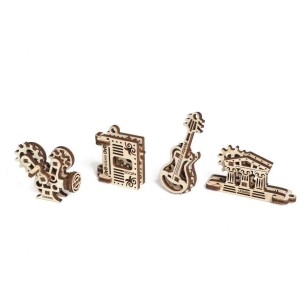
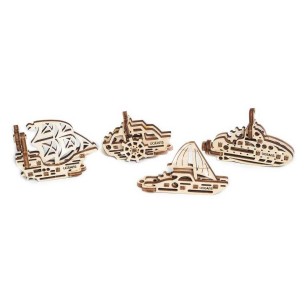
Zestaw 4 miniaturowych modeli do samodzielnego składania to unikalne, mechaniczne zabawki wykonane ze sklejki, które rozwijają koncentrację i uwagę, służą jako oryginalne breloczki do kluczy lub dekoracje biurka, stanowiąc jednocześnie doskonały pomysł na prezent dla osób w każdym wieku. UGears 70033
Brak towaru
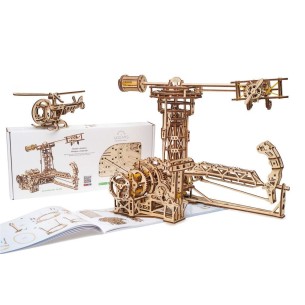
Przenieś się w świecie lotnictwa i zrealizuj swoje marzenia o lataniu z zestawem "Awiator" od UGEARS. Skomplikowany, lecz fascynujący mechanizm sterowania oraz doskonała jakość materiałów sprawią, że spędzisz niezapomniane chwile, opanowując umiejętności pilotażu. UGears 70053
Brak towaru
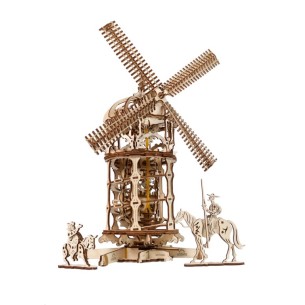
Odkryj złożoną mechanikę i bogatą historię, zanurzając się w montaż i eksplorację modelu "Wieża-Młyn Wiatrowy" od UGears. To więcej niż tylko model, to prawdziwa podróż przez wieki i kontynenty. UGears 70055
Brak towaru
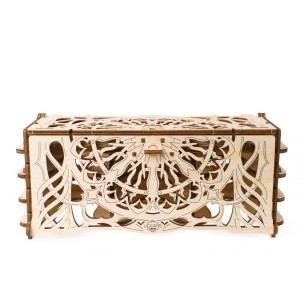
Pudełko na karty od UGEARS to nie tylko funkcjonalny organizer, ale również piękny element dekoracyjny Twojego domu. Możesz skoncentrować się na grze, nie martwiąc się bałaganem na stole. Zacznij przygodę z UGEARS i zobacz, jak można połączyć świat mechaniki z pasją do gier. UGears 70068
Brak towaru
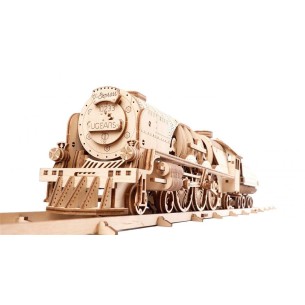
Lokomotywa z tendrem V-Ekspres od UGEARS to model, który oferuje zarówno estetyczne doświadczenie, jak i edukacyjną wartość, sprawiając, że jest to idealny wybór dla miłośników mechaniki, historii i podróży. UGears 70058
Brak towaru
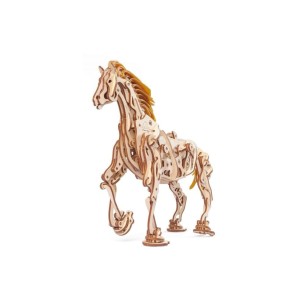
Model "Koń-mechanoid" od UGears to mechaniczne połączenie natury z technologią, inspirowane konnymi podróżami, wykonane z precyzyjnie wyciętej sklejki, które w ruchu odzwierciedla realistyczne ruchy konia. UGears 70054
Brak towaru
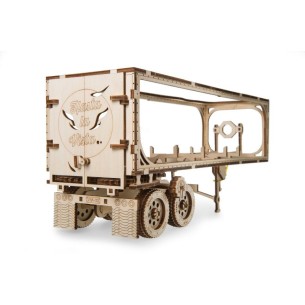
Naczepa do modelu "Ciągnik VM-03" od UGEARS, wykonana z wysokiej jakości sklejki, wzbogaca doświadczenie związane z kierowaniem ciężarówką, oferując realistyczną i funkcjonalną konstrukcję, którą można także wykorzystać jako oryginalny element dekoracyjny. UGears 70057
Brak towaru
Digital Design - Richard E. Haskell & Darrin M. Hanna