.png)


- Obecnie brak na stanie
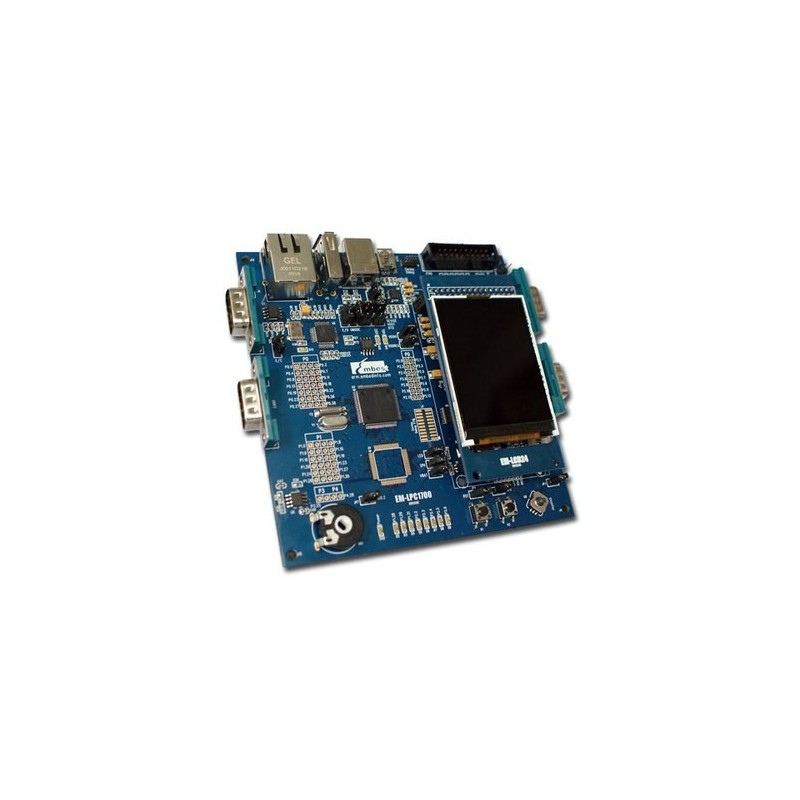

NXP LPC1768 ARM-CM3 Board
The LPC1768 evaluation board is based on ARM Cortex-M3 processor from NXP, its operating frequency is up to 100MHz, with 512KB high-speed on-Chip Flash Memory and 64KB RAM, together with a colour QVGA LCD, Ethernet, USB, CAN, SD/MMC card interface, and UARTs.
Overview
You can use the Cortex-M3 based LPC1768 ARM Evaluation Board to generate and test application programs for the NXP LPC17xx microcontroller family. The LPC1768 ARM Evaluation Board introduces the new NXP LPC1760 family of ARM Cortex-M3 processor-based devices, allowing you to create and test working programs for this advanced architecture, it has a wide range of interfaces making it a great starting point for your next Cortex-M3 project. With this hands-on process, you can determine the hardware and software requirements for current and future product development.
The LPC1768 ARM Evaluation Board ships with the LPC1768 device that is a superset of several other device variants of the LPC17xx microcontroller series. The LPC1768 Board contains all the hardware components required in a single-chip LPC17xx system.
Hardware Specifications:
The connectors on the LPC1768 arm evaluation board provide easy access to many of the LPC1768's on-chip peripherals.
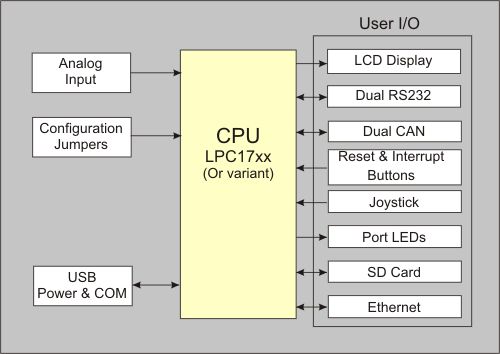
Block Diagram:
Technical Data
| Parameter | Description |
| Supply Voltage | 5V DC (provided by the USB bus of a PC) |
| Supply Current | 65mA typical, 120mA maximum |
| XTAL Frequency | 12 MHz |
| Microcontroller | NXP LPC1768 |
| Peripherals | 2 × RS232 Interfaces 2 × CAN Interfaces 1 × Ethernet Interface 1 × JTAG Interface 1 × ETM Interface 2 × Cortex Debug Interfaces 1 × LCD Display 1 × USB Device/Host/OTG Interface 1 × Analog Output (connected to speaker by default) 1 × Analog Input (connected to potentiometer by default) |
| Board Size | 119mm x 119mm (4.68 " x 4.68") |
Software and Examples
Embest provides plenty of software examples for this evaluation board, all in source code. These software examples can be debugged under the popular Keil MDK (Microcontroller Development Kit) environments, making practical use of the board's peripherals.
Documentations
There are plenty documentation and material of Embest products, such as user’s manual, schematic of the board, development guideline and most of the major chips’ datasheet, convenient to find them in the accompanied CDROM.
PACKING LIST
| NO | NAME / TYPE | QTY | DESCRIPTION |
| 1 | Embest LPC1768 ARM-CM3 Board | 1 | Main board. |
| 2 | RS-232 Serial Cable / DB9 F-M | 1 | Connect the COM port to Host PC. 9-pin male to 9-pin female, no longer than 10ft/3m, wired one-to-one. |
| 3 | USB Cable / A-B | 1 | To supply power to the board or for downloading and programming. |
| 4 | RJ45 Ethernet Cable | 1 | Connect to the Ethernet port. |
| 5 | TFT LCD Panel | 1 | QVGA(240x320) |
Producent
Osoba odpowiedzialna
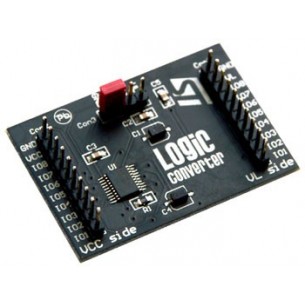
8-bitowy dwukierunkowy konwerter poziomów napięć z układem ST2378 firmy STMicroelectronics, 13 Mb/s, 1,8-5,5 V
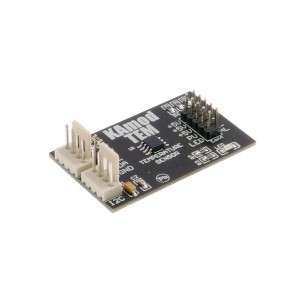
Moduł z cyfrowym czujnikiem temperatury i termostatem z interfejsem I2C
Moduł programowalnego sterownika LED RGB i RGBA
Moduł KAmodLED8 umożliwia monitorowanie stanów 8 linii cyfrowych za pomocą LED sterowanych poprzez bufory cyfrowe.
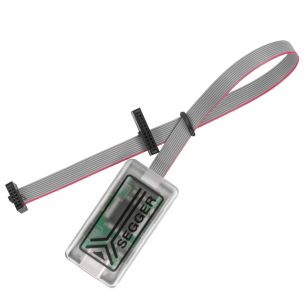
Wersja mini programatora-debuggera Segger J-Link EDU (8.08.90). Umożliwia obsługę JTAG/SWD w mikroprocesorach z rdzeniami Cortex-M. Wersja tylko do użytku niekomercyjnego. J-Link EDU mini
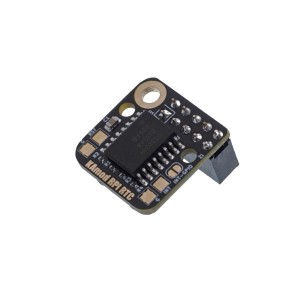
Moduł RTC DS3231 dla Raspberry Pi to precyzyjny zegar czasu rzeczywistego, zasilany bateryjnie i komunikujący się przez interfejs I2C, który zapewnia dokładność pomiaru czasu dzięki kompensacji temperaturowej i rezonatorowi kwarcowemu
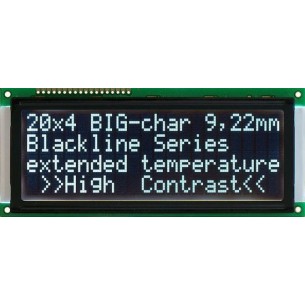
Wyświetlacz LCD 4x20, 146x62,5mm, podświetlenie LED (WHITE), FFSTN, duży znak 9,22mm, backlight I=120mA (5V)
Brak towaru
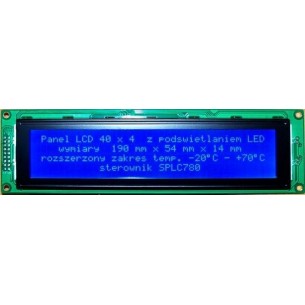
Wyświetlacz LCD 4x40, 190x54mm, LED backlight (WHITE), NEGATIVE BLUE
Brak towaru
Brak towaru
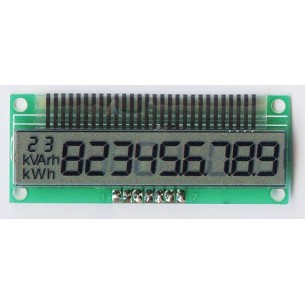
Wyświetlacz LCD ze sterownikiem CS1621/HT1621 protokól szeregowy, 66x26x5 mm
Brak towaru
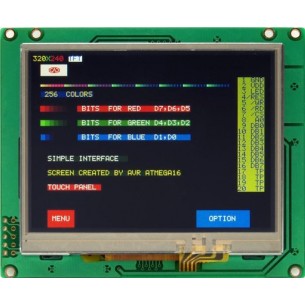
Wyświetlacz TFT COLOR 3i5", 92x78,4mm, kontroler pamięci obrazu ACTEL IGLOO , prosta obsługa statycznego interface\'u 8bit color 320x240, zintegrowany touchpanel w złączu ZIF20 R=1mm
Brak towaru
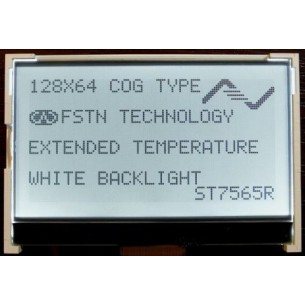
Wyświetlacz graficzny, rodzielczość 128x64 pikseli, 80x54mm, TYP: COG, kontrast, FSTN 3,3V, ST7565R
Brak towaru
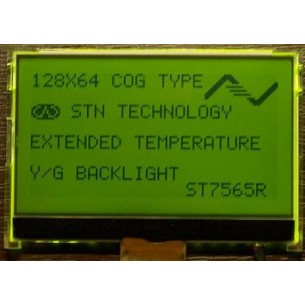
Wyświetlacz graficzny 128x64, 80x54mm, Backlight (yellow-green), Typ: COG, STN 3.3V ST7565R
Brak towaru
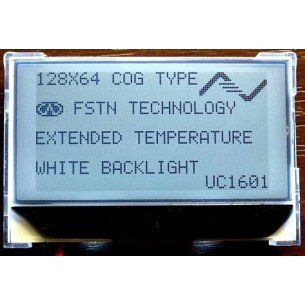
Wyswietlacz graficzny 128x64 pikseli, 55x36,5mm, TYP: COG TYPE, FSTN, 3.3V UC1601, Podświetlanie 2-LED 36mA - dla 3.3V rezystor 10R, łatwy montaż na PCB
Brak towaru
Wyświetlacz graficzny 240x64 pikseli, 134,6x55,1mm, FFSTN, 3.3V UC1608, białe podświetlanie
Brak towaru
Wyświetlacz graficzny 240x128 pikseli, 101,3x76,3mm, Typ: COG, negative blue, 3.3V, UC1608
Brak towaru
Wyświetlacz graficzny 240x128 pikseli, 101,3x76,3mm, Typ COG, FSTN, 3.3V UC1608, white backlight
Brak towaru
Brak towaru
Wyświetlacz graficzny 128x64, 54x50m, podświetlaniem EL (white), Pb-Free, FSTN positive, cztery symbole zamiast czterech pixeli, niski pobór prądu
Brak towaru
Wyświetlacz graficzny 128x64 , 78x70mm, LED backlight (white), STN negative blue, kontroler TOSHIBA T6963C. AG-G12864B1-A801
Brak towaru
Wyświetlacz graficzny 128x64 pikseli, 78x60mm, podświetlenie LED (white), FSTN positive, kontroler TOSHIBA T6963C
Brak towaru
Wyświetlacz graficzny 128x64 pikseli, 75x52,8mm, STN NEGATIVE BLUE, podświetlenie LED white, rozszerzony zakres temperatur pracy; sterownik kompatybilny z KS0108
Brak towaru
NXP LPC1768 ARM-CM3 Board