.png)


- Obecnie brak na stanie
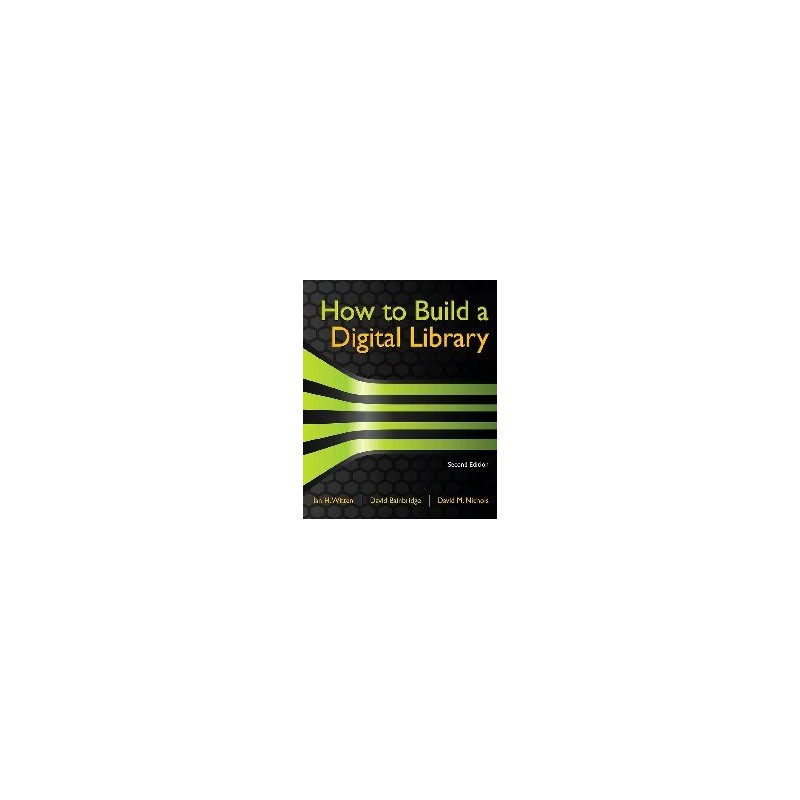
How to Build a Digital Library is the only book that offers all the knowledge and tools needed to construct and maintain a digital library, regardless of the size or purpose. It is the perfectly self-contained resource for individuals, agencies, and institutions wishing to put this powerful tool to work in their burgeoning information treasuries. The Second Edition reflects new developments in the field as well as in the Greenstone Digital Library open source software. In Part I, the authors have added an entire new chapter on user groups, user support, collaborative browsing, user contributions, and so on. There is also new material on content-based queries, map-based queries, cross-media queries. There is an increased emphasis placed on multimedia by adding a "digitizing" section to each major media type. A new chapter has also been added on "internationalization," which will address Unicode standards, multi-language interfaces and collections, and issues with non-European languages (Chinese, Hindi, etc.). Part II, the software tools section, has been completely rewritten to reflect the new developments in Greenstone Digital Library Software, an internationally popular open source software tool with a comprehensive graphical facility for creating and maintaining digital libraries. As with the First Edition, a web site, implemented as a digital library, will accompany the book and provide access to color versions of all figures, two online appendices, a full-text sentence-level index, and an automatically generated glossary of acronyms and their definitions. In addition, demonstration digital library collections will be included to demonstrate particular points in the book. to access the online content please visit, http://www.greenstone.org/howto
*Outlines the history of libraries-- both traditional and digital-- and their impact on present practices and future directions.
*Written for both technical and non-technical audiences and covers the entire spectrum of media, including text, images, audio, video, and related XML standards.
*Web-enhanced with software documentation, color illustrations, full-text index, source code, and more.
Part I Building a Digital Library
Chapter 1 Orientation: The world of digital libraries
Chapter 2 People in digital libraries
Chapter 3 Presentation: User interfaces
Chapter 4 Textual documents: The raw material
Chapter 5 Multimedia: More raw material
Chapter 6 Metadata: Elements of organization
Chapter 7 Interoperability: Protocols and services
Chapter 8 Internationalization: the global challenge
Chapter 9 Visions: Future, past, and present
PART II GREENSTONE DIGITAL LIBRARY SOFTWARE
Chapter 10 Building collections
Chapter 11 Operating and interoperating
Chapter 12 Design patterns for advanced user interfaces
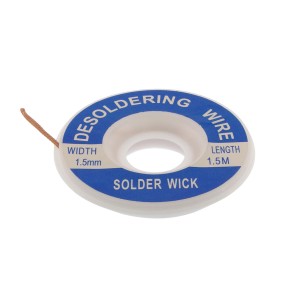
Taśma, w formie plecionki, do usuwania nadmiaru roztopionego spoiwa lutowniczego przy lutowaniu i wylutowywaniu elementów elektronicznych. Szerokość 1,5mm, długość 1,5m.
Brak towaru
Płyn do czyszczenia płytek drukowanych na bazie alkoholu izopropylowego, doskonale usuwa resztki polutownicze, jak również smary i oleje
Brak towaru
Brak towaru
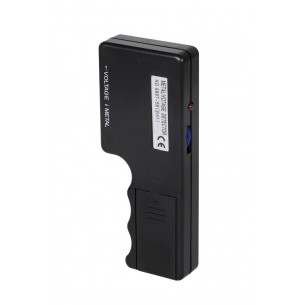
Przyrząd wykrywający (np. w ścianie) metal oraz przewód z prądem (URZ1204)
Brak towaru
Olej silikonowy w sprayu firmy MICROCHIP, pojemność 150ml. Olej może posłużyć do usuwania pisków i zmniejszania oporów pracy mechanizmów
Brak towaru
Wysokiej jakości preparat przeznaczony do regeneracji i konserwacji potencjometrów.
Brak towaru
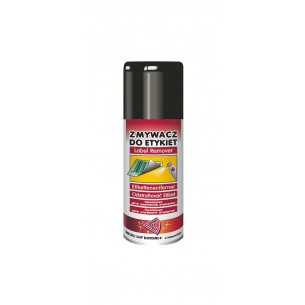
Zmywacz do etykiet 150ml firmy MICRO CHIP ELECTRONIC
Brak towaru
Zmywacz do etykiet 400ml firmy MICRO CHIP ELECTRONIC
Brak towaru
Wysokiej jakości preparat przeznaczony do regeneracji i konserwacji potencjometrów.
Brak towaru
Preparat firmy Microchip, umożliwia intensywny, skoncentrowany nadmuch do niedostępnych miejsc, usuwa kurz z różnych elementów
Brak towaru
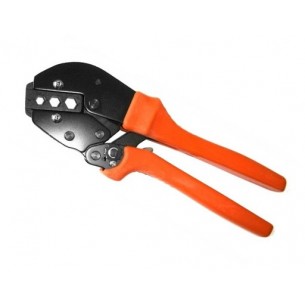
Profesjonalne narzędzie do zaciskania wtyków SMA i SMB. Solidnie wykonane, proste i wygodne w obsłudze. KY8162-08
Brak towaru
Brak towaru
Brak towaru
Brak towaru
Brak towaru
Brak towaru