.png)



- Obecnie brak na stanie
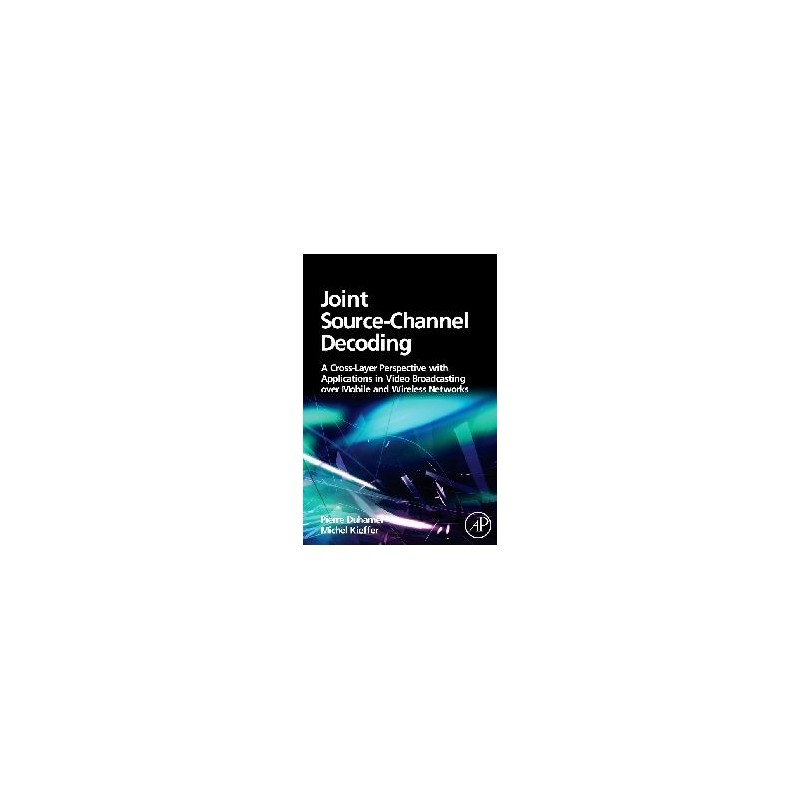
Traditionally, cross-layer and joint source-channel coding were seen as incompatible with classically structured networks but recent advances in theory changed this situation. Joint source-channel decoding is now seen as a viable alternative to separate decoding of source and channel codes, if the protocol layers are taken into account. A joint source/protocol/channel approach is thus addressed in this book: all levels of the protocol stack are considered, showing how the information in each layer influences the others.
This book provides the tools to show how cross-layer and joint source-channel coding and decoding are now compatible with present-day mobile and wireless networks, with a particular application to the key area of video transmission to mobiles. Typical applications are broadcasting, or point-to-point delivery of multimedia contents, which are very timely in the context of the current development of mobile services such as audio (MPEG4 AAC) or video (H263, H264) transmission using recent wireless transmission standards (DVH-H, DVB-SH, WiMAX, LTE).
This cross-disciplinary book is ideal for graduate students, researchers, and more generally professionals working either in signal processing for communications or in networking applications, interested in reliable multimedia transmission. This book is also of interest to people involved in cross-layer optimization of mobile networks. Its content may provide them with other points of view on their optimization problem, enlarging the set of tools which they could use.
Pierre Duhamel is director of research at CNRS/ LSS and has previously held research positions at Thomson-CSF, CNET, and ENST, where he was head of the Signal and Image Processing Department. He has served as chairman of the DSP committee and associate Editor of the IEEE Transactions on Signal Processing and Signal Processing Letters, as well as acting as a co-chair at MMSP and ICASSP conferences. He was awarded the Grand Prix France Telecom by the French Science Academy in 2000. He is co-author of more than 80 papers in international journals, 250 conference proceedings, and 28 patents.
Michel Kieffer is an assistant professor in signal processing for communications at the Université Paris-Sud and a researcher at the Laboratoire des Signaux et Systèmes, Gif-sur-Yvette, France. His research interests are in joint source-channel coding and decoding techniques for the reliable transmission of multimedia contents. He serves as associate editor of Signal Processing (Elsevier). He is co-author of more than 90 contributions to journals, conference proceedings, and book chapters.
Introduction: Context; Why Joint Source and Channel Decoding?; Source-Coding Primer; Identifying Residual Redundancy; Exploiting the Residual Redundancy; Toward Practical Implementations; Protocol Layers; Joint Protocol-Channel Decoding; Joint Cross-Layer Decoding; Introduction to Joint Source-Channel Coding; Open Challenges; Format of 802.11 Packets; Bibliography
Brak towaru
Brak towaru
Brak towaru
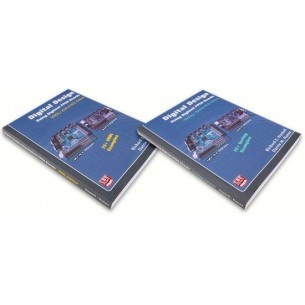
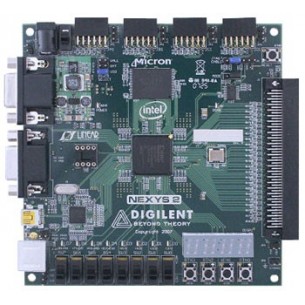
"Digital Design using Digilent FPGA Boards 2nd Edition, 2012" Richard E. Haskell & Darrin M. Hanna -- EDU
Brak towaru
Brak towaru
Brak towaru
Brak towaru
Brak towaru
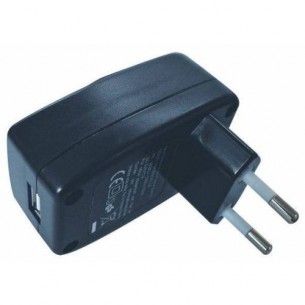
Zasilacz stabilizowany sieciowy z gniazdem USB (5V, 1A). Może służyć jako zasilacz lub ładowarka wszelkich urządzeń wyposażonych w gniazda USB
Brak towaru
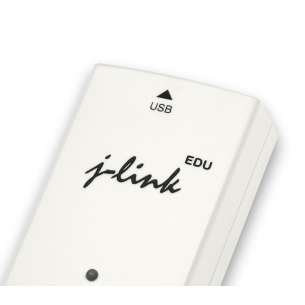
Jeden z najdoskonalszych pod względem możliwości i najbardziej uniwersalnych programatorów-debuggerów JTAG/SWD obsługujący mikrokontrolery i mikroprocesory z rdzeniami Cortex-M, Cortex-A, Cortex-R oraz ARM7, ARM9 i ARM11 większości producentów. Wersja z licencją dla celów edukacyjnych.
Brak towaru
Brak towaru
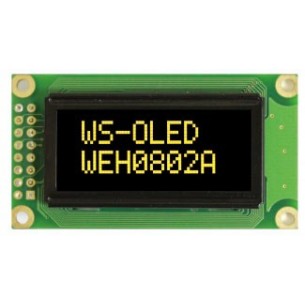
Wyświetlacz OLED alfanumeryczny 2x8, 58x32 mm, negatyw (czarne tło), żółte piksele, 5V, RoHS
Brak towaru
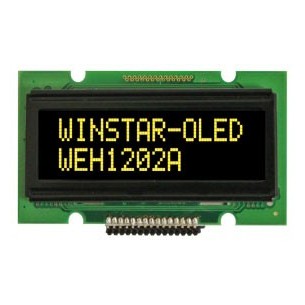
Wyświetlacz OLED alfanumeryczny 2x12m 56x32 mm, negatyw (czarne tło), żółte piksele, 5V, RoHS
Brak towaru
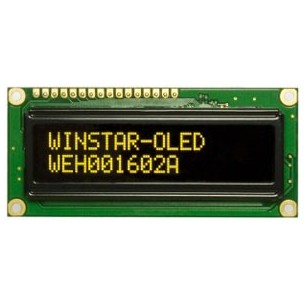
Wyświetlacz OLED alfanumeryczny 2x16, 80x36 mm, negatyw (czarne tło), żółte piksele, 5V, RoHS
Brak towaru
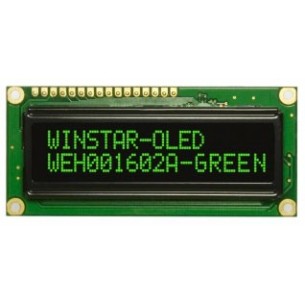
Wyświetlacz OLED alfanumeryczny 2x16, 80x36 mm, negatyw (czarne tło), zielone piksele, 5V, RoHS
Brak towaru
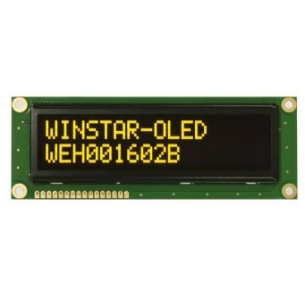
16x2 Character OLED Display, 122x44, Negative Black Surface, Yellow Dot, 5V, RoHS
Brak towaru