.png)







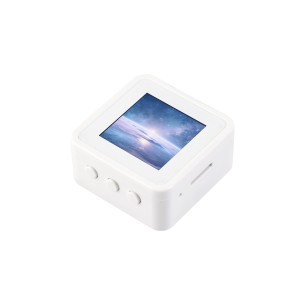

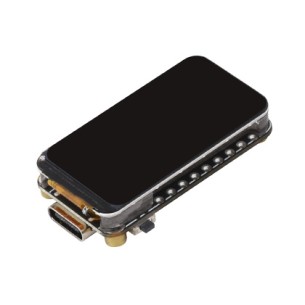

- Obecnie brak na stanie
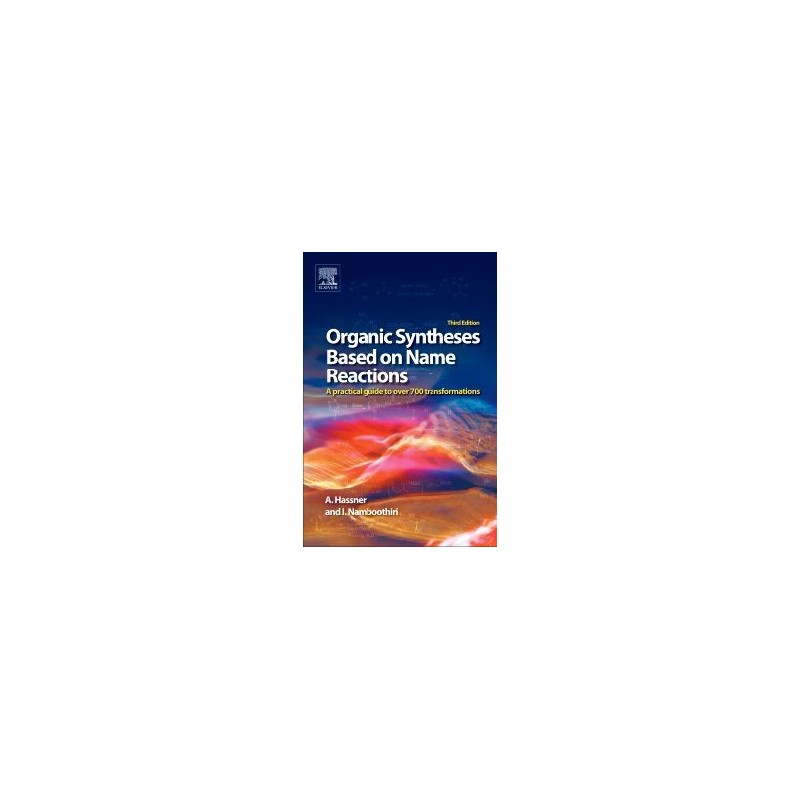
Organic Syntheses Based on Named Reactions 3rd edition is an indispensable reference companion for students and researchers in the field of organic synthesis. Effectively a practical dictionary of terms for a huge range of 'named' synthetic reactions (named following their discoverer), this product provides significant added value as a reference resource. Each entry is carefully condensed to practical science, providing only what the audience wants to know with all ephemeral information removed to increase the range of reactions covered.
Building on Hassner & Stumer's highly regarded 2nd edition and publishing at a time of proliferation in newly discovered Name Reactions, this work has increased to include over 160 new stereoselective and regioselective reagents or reactions (including asymmetric syntheses), bringing the total number of reactions covered to over 700.
It summarizes these reaction types' various laboratory uses in the synthesis of complex products, including around 3,400 references to other sources, and extensive indexing to reflect the complexity of data and necessity for cross-referencing encompassing a names index, reagent index, reaction index and a functional group transformation index.
The latter of these indexes allows the reader to search for conversions of one functional group to another and in particular proved a much utilized tool for the synthetic chemist searching for pathways to perform synthetic procedures, and has been extensively highlighted in reviews.
Due to its comprehensive coverage, superb organization, quality of presentation, and wealth of references, this long-awaited book belongs on the shelf of every organic chemist.
* Handy reference guide that explains over 700 common and uncommon named processes and methods used by organic chemists to make new molecules
* Provides key data on each transformation including background, mechanism and uniquely to books in this area experimental details
* Extensive and multiple indexes allow the reader to search for information as and how they want and to rapidly plan transformations
Name reactions; Names index; Reagents index; Reactions index; Functional Group Transformations index.
Sample Name Reactions: Appel, Halogenation Reagent; Bailey, Crisscross Cycloaddition; Barluenga, Iodination; Barton-McCrombie, Deoxygenation; Bergman, Cycloaromatization; Brandi-Guarna, Rearrangement; Buchwald, Heterocyclization; Chiatgilialoglu, Reducing Agent; G. Enders, Heterocycle Synthesis;
Grubbs, Olefin Metathesis; Jacobsen, Asymmetric Epoxidation; Kagan-Modena, Asymemetric Oxidation; Katritzky, Amine Displacement; Kawase, N-Acyl Rearrangement; Knochel, Zinc Vinyl Coupling; Kulinkovich, Hydroxycyclopropanation; Nicolaou, Oxidations; O'Donnell, Aminoacid Synthesis; Saegusa, Enone Synthesis; Shibasaki, Catalytic Nitrogenation; Yamamoto, Chiral Transfer
Brak towaru
Brak towaru
Brak towaru
Brak towaru
Brak towaru
Brak towaru
Brak towaru
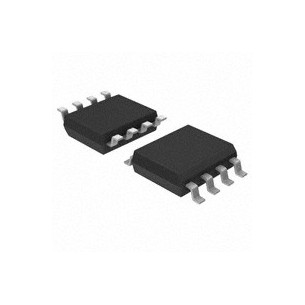
Mostek pozwala na dołączenie dowolnego urządzenia podrzędnego 1-Wire do magistrali I2C. Układ posiada obudowę SOIC8. DS2482-100+
Brak towaru
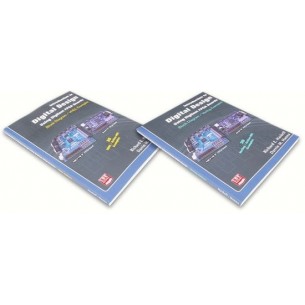
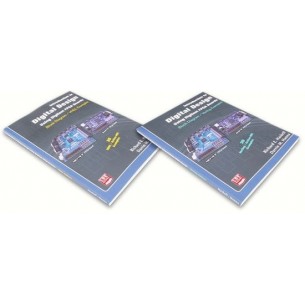
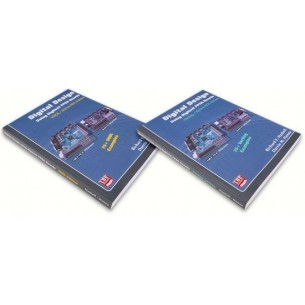
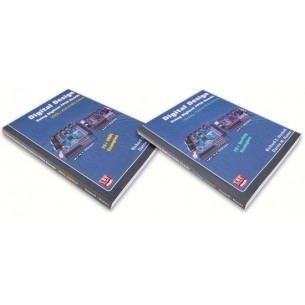
Introduction to Digital Design. Block Diagram/Verilog Examples; Richard E. Haskell & Darrin M. Hanna
Brak towaru
Introduction to Digital Design. Block Diagram/ Verilog Examples; Richard E. Haskell & Darrin M. Hanna -- EDU
Brak towaru
Digital Design using Digilent FPGA Boards 2nd Edition, 2012; Richard E. Haskell & Darrin M. Hanna --- EDU
Brak towaru
Digital Design using Digilent FPGA Boards 2nd Edition, 2012; Richard E. Haskell & Darrin M. Hanna
Brak towaru
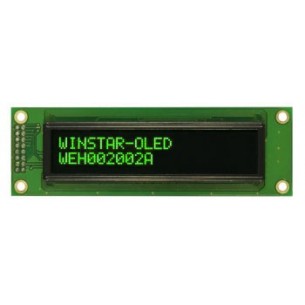
Wyświetlacz OLED alfanumeryczny 2x20, 116x37 mm,negatyw (czarne tło), zielone piksele, 5V, RoHS
Brak towaru
Brak towaru
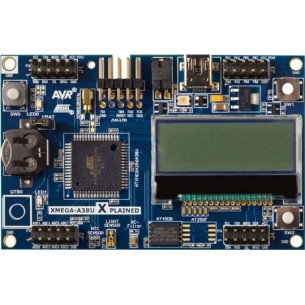
ATXMEGAA3BU-XPLD to kompaktowa płytka rozwojowa z mikrokontrolerem ATxmega256A3BU, wyposażona w interfejsy analogowe, wyświetlacz LCD i pamięć SPI. Sprawdza się w prototypowaniu aplikacji pomiarowych, interfejsów użytkownika i systemów wbudowanych wymagających dotykowej obsługi i debugowania.
Brak towaru
Brak towaru