.png)


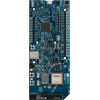
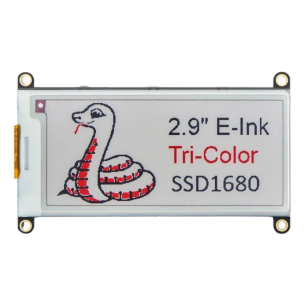
- Obecnie brak na stanie
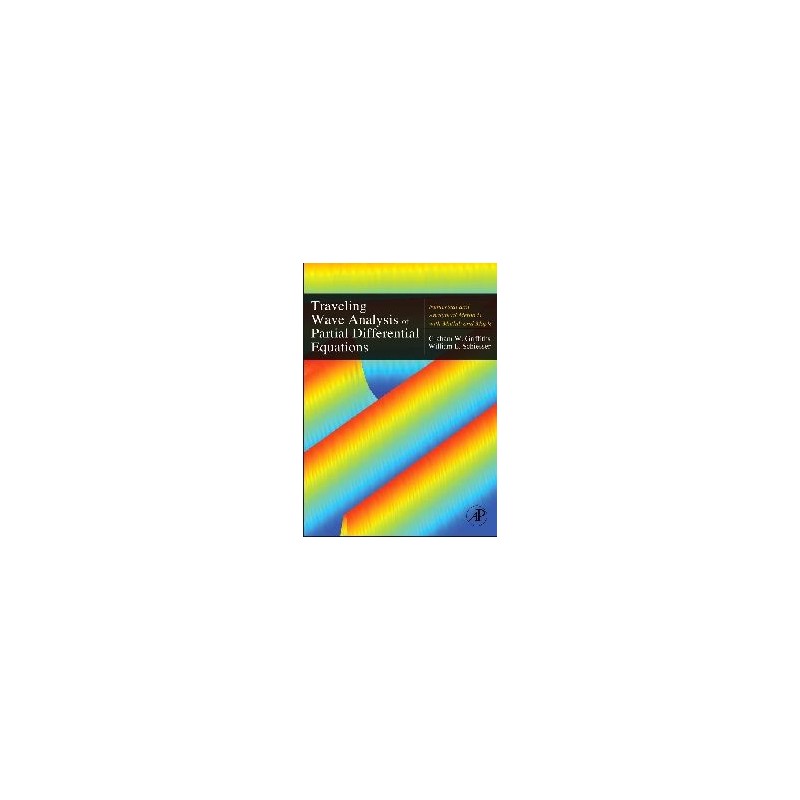

Although the Partial Differential Equations (PDE) models that are now studied are usually beyond traditional mathematical analysis, the numerical methods that are being developed and used require testing and validation. This is often done with PDEs that have known, exact, analytical solutions. The development of analytical solutions is also an active area of research, with many advances being reported recently, particularly traveling wave solutions for nonlinear evolutionary PDEs. Thus, the current development of analytical solutions directly supports the development of numerical methods by providing a spectrum of test problems that can be used to evaluate numerical methods.
This book surveys some of these new developments in analytical and numerical methods, and relates the two through a series of PDE examples. The PDEs that have been selected are largely "named'' since they carry the names of their original contributors. These names usually signify that the PDEs are widely recognized and used in many application areas. The authors' intention is to provide a set of numerical and analytical methods based on the concept of a traveling wave, with a central feature of conversion of the PDEs to ODEs.
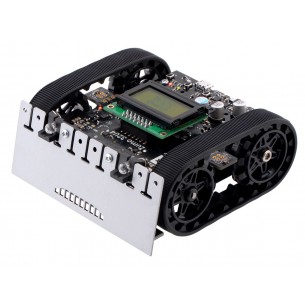
Robot minisumo na podwoziu gąsienicowym z silnikami Pololu z przekładnią 100:1 HP. Robot w pełni złożony, wymaga dodatkowo czterech baterii AA. Pololu 3127
Brak towaru
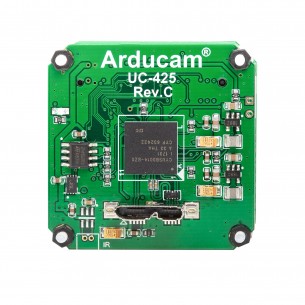
Moduł, który pozwala na podłączenie kamer ArduCAM z interfejsem CSI do komputera PC lub minikomputerów poprzez interfejs USB3.0. Obsługuje nie tylko czujniki obrazu o wysokiej rozdzielczości i dużej liczbie klatek na sekundę, ale także kamerę stereoskopową i funkcje sterowania IRCUT. ArduCAM B0111
Brak towaru
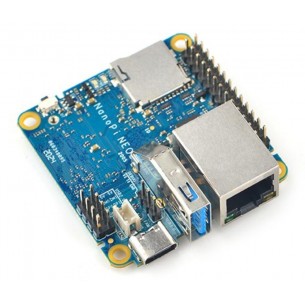
Niewielki minikomputer z czterordzeniowym układem SoC RockChip RK3328 (ARM Cortex-A53). Komputer jest wyposażony w pamięć RAM DDR4 o pojemności 1 GB, port Gigabit Ethernet i USB 3.0. Każdy moduł posiada własny, unikalny adres MAC. NanoPi NEO3 1GB
Brak towaru
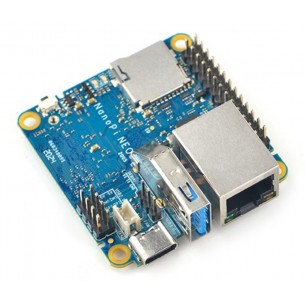
Niewielki minikomputer z czterordzeniowym układem SoC RockChip RK3328 (ARM Cortex-A53). Komputer jest wyposażony w pamięć RAM DDR4 o pojemności 2 GB, port Gigabit Ethernet i USB 3.0. Każdy moduł posiada własny, unikalny adres MAC. NanoPi NEO3 2GB
Brak towaru
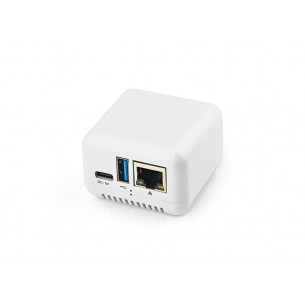
Obudowa do minikomputera NanoPi NEO3 w kolorze białym. Umożliwia swobodny dostęp do złącza Ethernet, USB, kart microSD oraz złącza zasilania. FriendlyELEC Case for NEO3
Brak towaru
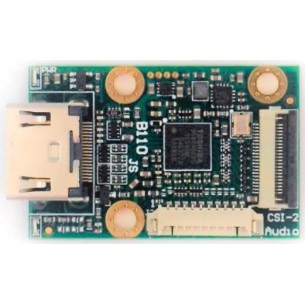
Moduł mostka HDMI do CSI-2 oparty o układ TC358840. Posiada 22-pinowe złącze FPC o rastrze 0,5 mm oraz złącze audio. Sygnał wejściowy doprowadzany jest przez złącze HDMI. Auvidea 70511
Brak towaru
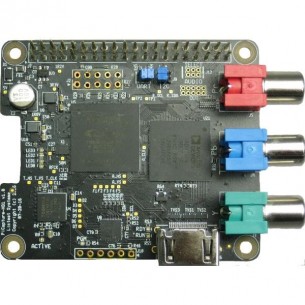
Moduł do przechwytywania obrazu dla Raspberry Pi. Przechwytuje wideo w wysokiej rozdzielczości ze źródeł cyfrowych (HDMI/DVI), analogowych (komponent YPbPr) i komputerowych (RGB) w rozdzielczości 480p, 720p i 1080p. Picapture HD1
Brak towaru
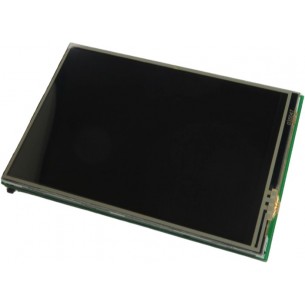
3,5-calowy wyświetlacz TFT LCD z obudową przeznaczony dla Raspberry Pi. Wyświetlacz o rozdzielczości 320x480 px wyposażony jest w rezystancyjny ekran dotykowy. ArduCAM U611101
Brak towaru
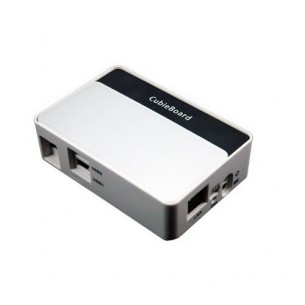
Obudowa dedykowana do minikomputerów Cubieboard i Cubieboard 2. Cubieboard Deluxe Case
Brak towaru
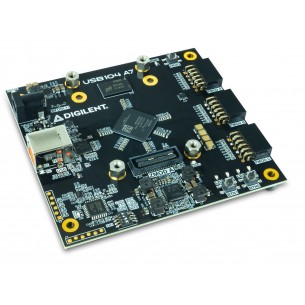
Zestaw rozwojowy z układem FPGA Artix-7 100T zgodny ze standardem PC/104. Zestaw wyposażony w pamięć DDR3 512 MB, port Zmod oraz porty Pmod. Digilent 410-398
Brak towaru
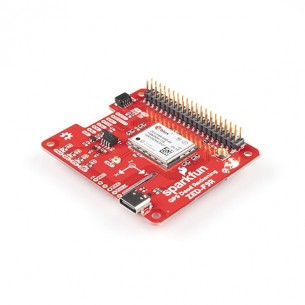
Moduł GPS z układem u-blox ZED-F9R. Wykorzystuje technologię Automotive Dead Reckoning (ADR). Zapewnia bardzo dokładną i ciągłą pozycję poprzez połączenie czujnika 3D IMU, modelu dynamiki pojazdu, danych korekcyjnych i pomiarów GNSS. SparkFun GPS-16475
Brak towaru
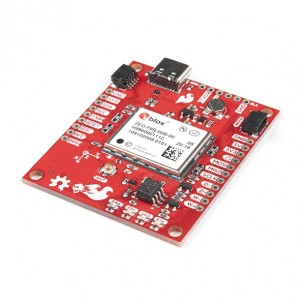
Moduł GPS z układem u-blox ZED-F9R. Wykorzystuje technologię Automotive Dead Reckoning (ADR). Zapewnia bardzo dokładną i ciągłą pozycję poprzez połączenie czujnika 3D IMU, modelu dynamiki pojazdu, danych korekcyjnych i pomiarów GNSS. SparkFun GPS-16344
Brak towaru
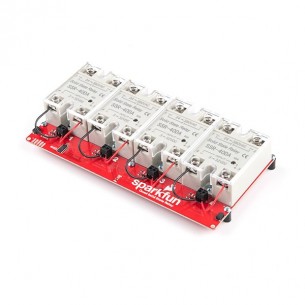
Moduł z 4 przekaźnikami sterowany przez interfejs I2C. Każdy przekaźnik może przełaczać prąd do 40 A przy 28-380 V AC. SparkFun KIT-16833
Brak towaru
ActivePresenter to wygodne narzędzie do tworzenia interaktywnych szkoleń e-learningowych zawierających prezentacje, quizy, symulację oprogramowania lub nawet edukacyjne gry
Brak towaru
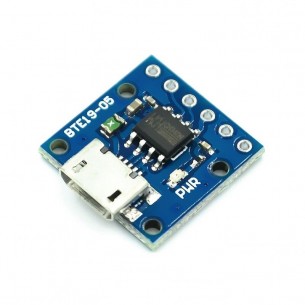
Niewielki moduł konwertera USB-UART TTL oparty na układzie CH340N ze złączem microUSB. Wyposażony w diodę sygnalizującą zasilanie.
Brak towaru
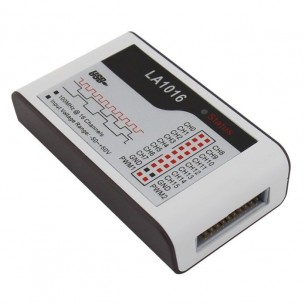
16-kanałowy analizator stanów logicznych o maksymalnej częstotliwości próbkowania 100 MHz. Może dekodować dane w ramach większości popularnych protokołów komunikacyjnych. Współpracuje z systemami Windows. LA1016
Brak towaru