.png)


- Obecnie brak na stanie
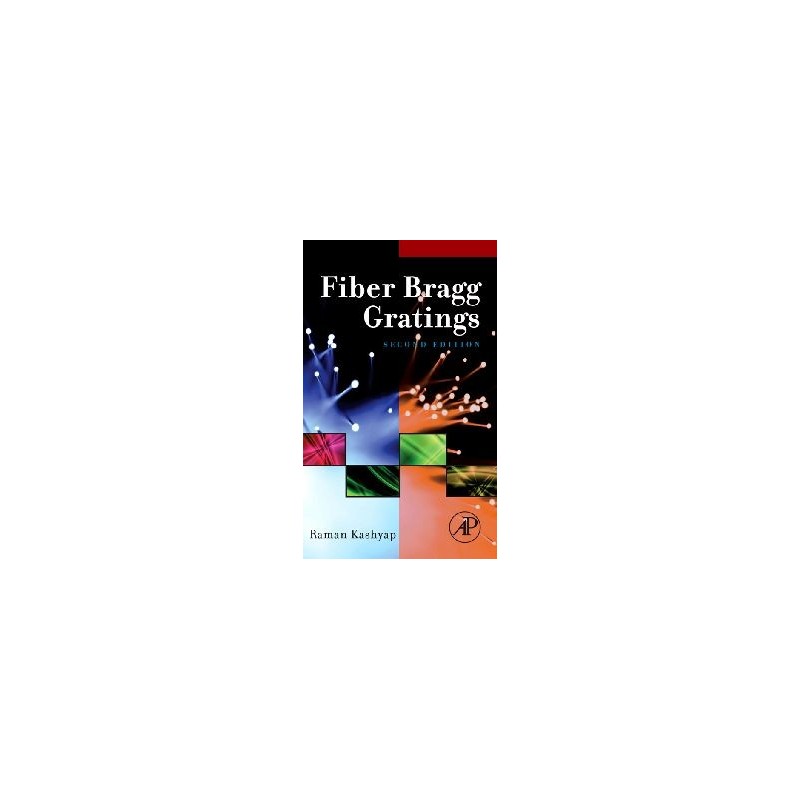
This fully revised, updated and expanded second edition covers the substantial advances in the manufacture and use of FBGs in the years since the publication of the pioneering first edition. It presents a comprehensive treatise on FBGs and addresses issues such as the merits of one solution over another; why particular fabrication methods are preferred; and what advantages a user may gain from certain techniques.
Beginning with the principles of FBGs, the book progresses to discuss photosensitization of optical fibers, Bragg grating fabrication and theory, properties of gratings, specific applications, sensing technology, glass poling, advances in femtosecond laser writing of Bragg gratings and FBG measurement techniques. In addition to material on telecommunications usage of FBGs, application areas such as fiber lasers and sensors are addressed in greater detail.
This special version of Picwave is limited to modelling only the passive fibre devices covered in this book. However the full PicWave package is capable of modelling other non-linear and active devices such as laser diodes and SOAs as discussed in Chapter 8. More information about PicWave can be found at www.photond.com/products/picwave.htm.
In addition to researchers, scientists, and graduate students, this book will be of interest to industrial practitioners in the field of fabrication of fiber optic materials and devices.
Raman Kashyap, Canada Research Chair holder on Future Photonics Systems, and Professor at École Polytechnique, University of Montréal since 2003, has researched optical fibers and devices for over 30 years. He pioneered the fabrication of FBGs and applications in telecommunications and photonics.
Introduction; Photosensitivity and Photosensitization of Optical Fibers; Fabrication of Bragg Gratings; Theory of Fiber Bragg Gratings; Apodization of Fiber Gratings; Fiber Grating Band-Pass Filters; Chirped Fiber Bragg Gratings; Fiber Grating Lasers and Amplifiers; Measurement and Characterization of Gratings; Principles of Optical Fiber Grating Sensors; Femtosecond-Induced Refractive Index Changes in Glass; Poling of Glasses and Optical Fibers
Brak towaru
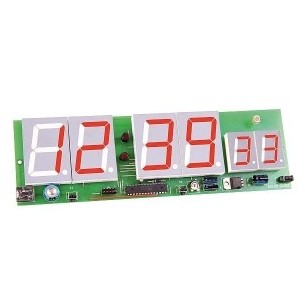
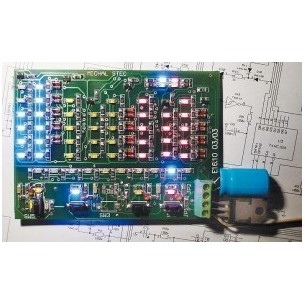
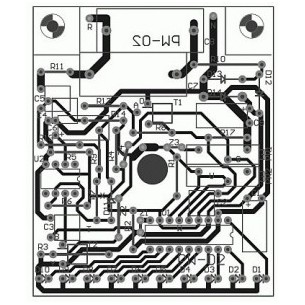
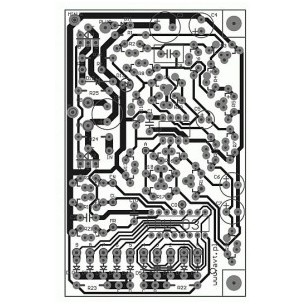
MIKROPROCESOROWY ZEGAR - INTELIGENTNY KOMBAJN CZASU - PŁYTKA DRUKOWANA I ZAPROGRAMOWANY UKŁAD
Brak towaru
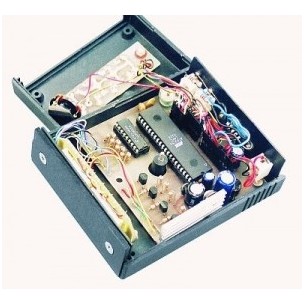
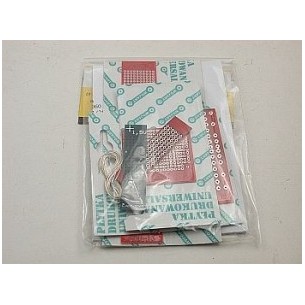
MIKROPROCESOROWY ZEGAR - INTELIGENTNY KOMBAJN CZASU - ZESTAW DO SAMODZIELNEGO MONTAŻU
Brak towaru
Brak towaru
Brak towaru
Brak towaru
Brak towaru
Brak towaru
Brak towaru
Brak towaru
Brak towaru
Brak towaru
Brak towaru
Brak towaru
Brak towaru
Brak towaru