.png)


- Obecnie brak na stanie
Description
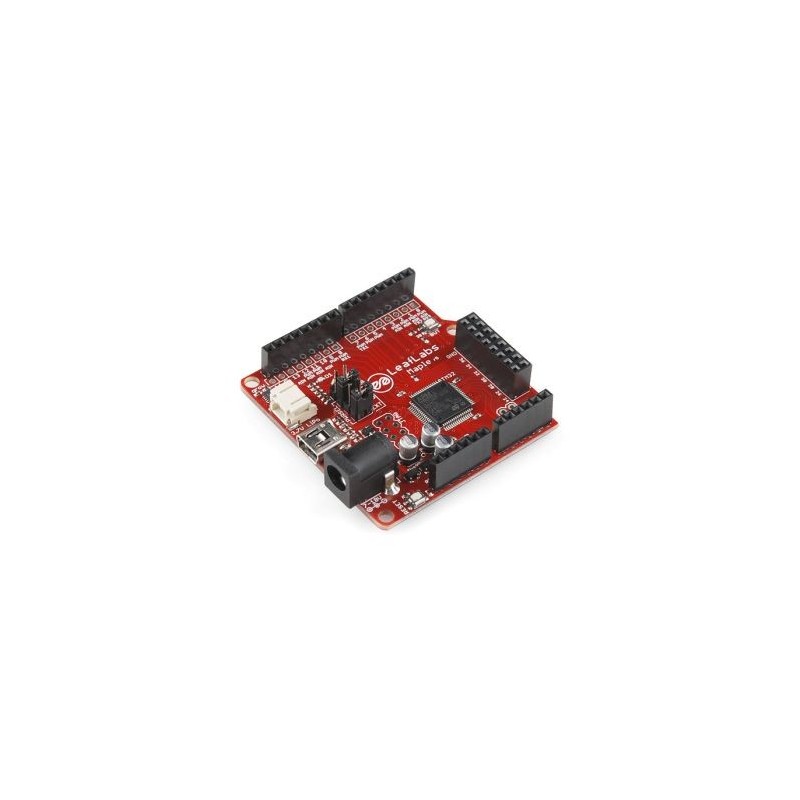
The Maple board consists of the essentials: a fast processor with lots of peripherals. At the center of Maple is a 72MHz ARM Cortex M3 chip, providing the increased computational power desired by more advanced users. In the past, ARM processors were notoriously unfriendly in non-professional environments due to proprietary tool chains and unfamiliar instruction sets. Because of this, they were conspicuously absent from classrooms and hobbyists’ workbenches. Leaf aims to change this by providing an ARM tool-chain built from open source components and a programming environment that is intuitively easy to use. For those of us who love and are familiar with Arduino, Maple is offered in an Arduino-compatible format, complete with Arduino pin layouts and programming environment. In the future, a Cortex native version is available in order to take full advantage of this fantastic micro-controller.Board Overview
The Leaf Maple is a microcontroller board based on the STM32F103RB microprocessor. The Maple runs at a maximum of 72 MHz, has 39 digital input/output pins, 16 analog inputs, native full speed USB, 3 USARTs (hardware serial ports), integrated SPI/I2C support, a power jack, and a reset button. Maple is programmable over USB via our provided DFU bootloader, no extra hardware required! Users can also program the onboard program flash via external JTAG interface. Maple offers security support for read/write protected addresses, as well as User and Handler processor modes. It has a real-time sysTick, useful for a real time OS or any timing senstitive applications. 6 advanced interrupt timers will help you here as well. Maple can be powered via USB, a wall adapter, or it can run off of a rechargeable lipo battery (see below for more info). The Maple is compatible with shields designed for the Arduino Duemilanove or Diecimila.Technical Specification
Programming
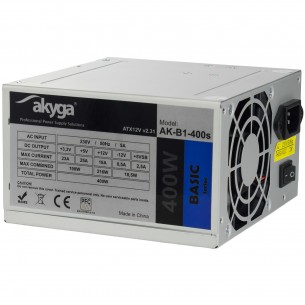
See also Maple Development Environment documentationZasilacz Akyga AK-B1-400S przeznaczony do zasilania komputerów stacjonarnych. Zgodny ze standardem ATX 2.31, moc 400W. Akyga AK-B1-400S
Brak towaru
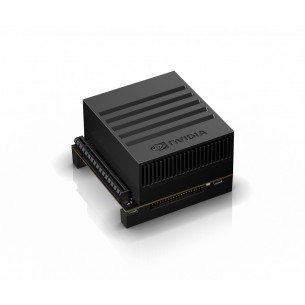
Zestaw rozwojowy z układem SoC zawierającym osiem 64-bitowych rdzeni ARM v8.2 oraz układ graficzny Volta składający się z 512 rdzeni wspierających technologię CUDA, cuDNN i TensorRT. NVIDIA Jetson AGX Xavier Developer Kit
Brak towaru
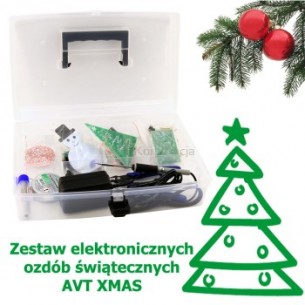
Elektronika na Święta - pakiet ozdób do samodzielnego zlutowania. AVT XMAS
Brak towaru
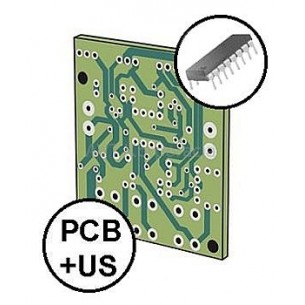
Płytka drukowa i zaprogramowany układ dla minizegara NIXIE. AVT3226 A+
Brak towaru
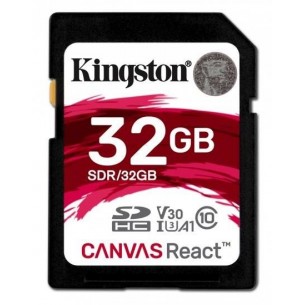
Karta SD Kingston CANVAS React 32GB Class 10. SDR/32GB
Brak towaru
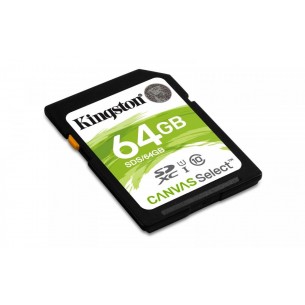
Karta SD Kingston CANVAS Select 64 GB Class 10. SDS/64GB
Brak towaru
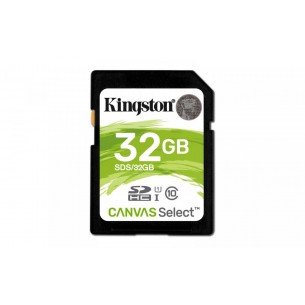
Karta SD Kingston CANVAS Select 32 GB Class 10. SDS/32GB
Brak towaru
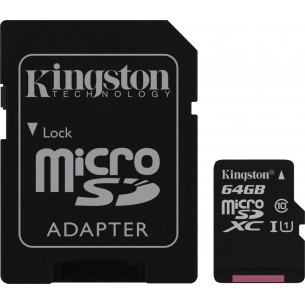
Karta pamięci micro SDXC o pojemności 64GB, klasa 10 z adapterem. Kingston SDCS/64GB
Brak towaru
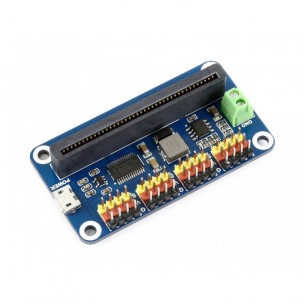
Moduł sterownika serwomechanizmów to rozszerzenie przeznaczone dla płytki micro:bit. Pozwala na sterowanie 16 kanałami PWM. Waveshare 15072
Brak towaru
Płytka drukowana do domowej nagrzewnicy indukcyjnej. AVT5645 A
Brak towaru
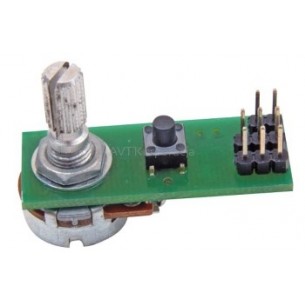
Zmontowany tester serwomechanizmów modelarskich. AVT1632 C
Brak towaru
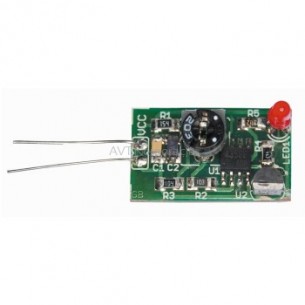
Zmontowany sygnalizator rozładowania akumulatora do modeli RC. AVT1521 C
Brak towaru
Brak towaru
Brak towaru
Brak towaru
Brak towaru