
.png)


Category: Antennas
Antennas for Radio Communication Systems
The range includes antennas designed for use with modules and devices utilizing radio communication. Individual models differ in operating frequency range, construction, antenna gain and radiation characteristics, so antenna selection should take into account the parameters of the transmitter or receiver used in the system.
There are 80 products.

Antenna with an SMA male connector working in the 868 MHz frequency band. It has a gain of 3 dBi. Comes with an SMA - u.FL adapter

External waterproof LPWA antenna dedicated to communication in LoRa networks in the 868 MHz frequency band. It is mounted using the built-in magnet in the cradle. Waveshare 868/915M Magnet Mount Antenna

Antenna with RP-SMA male plug working in the 868 MHz frequency band. It has a gain of 5 dBi and a foldable tip
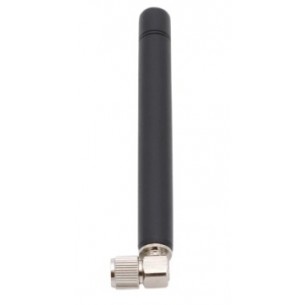
Antenna with an SMA male connector working in the 868 MHz frequency band. It has a gain of 5 dBi and the tip at right angles

Antenna with RP-SMA male plug operating in the 433 MHz frequency band. It has a gain of 5 dBi. Included with RP-SMA - u.FL adapter

Antenna with an SMA male connector working in the 433 MHz frequency band. It has a right angle joint
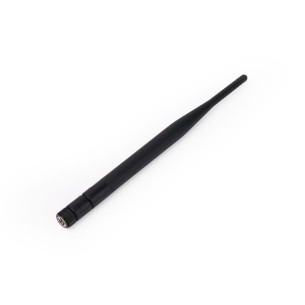
LoRa antenna 868–915 MHz with 2 dBi gain, SMA connector, 195 mm length, foldable design, suitable for IoT and long-range communication systems. Seeed Studio 113070002
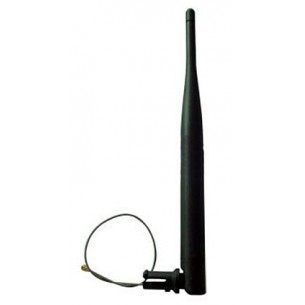
Rod antenna 2.4G, gain 5dBi, connector type: IPEX/U.FL, RoHS
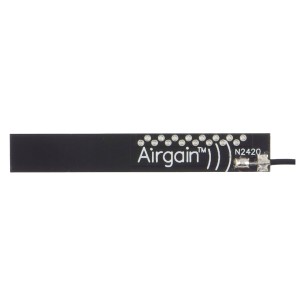
A 2.4 GHz PCB antenna with an IPEX connector, featuring a 4 dBi gain and compact dimensions, designed for Wi-Fi, Bluetooth, and ZigBee modules. Thanks to its low loss and simple installation, it is used in IoT devices, wireless communication systems, and consumer electronics
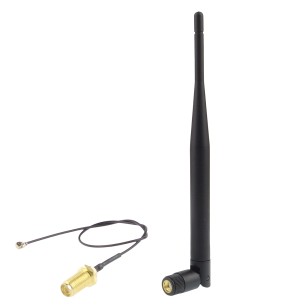
ANT0017 enables connecting 2.4 GHz WiFi devices to an external 5 dBi gain antenna, improving signal range and stability. The RP-SMA connector and U.FL/IPX cable ensure wide compatibility with communication modules and networking equipment. ANT0017

External waterproof LPWA antenna dedicated to communication in LoRa networks in the 433 MHz frequency band. It is mounted using the magnet built into the cradle. Waveshare 433/470M Magnet Mount Antenna

LPWA antenna dedicated to communication in LoRa networks in the 433 MHz frequency band. Equipped with an SMA connector. Waveshare SMA 433 Antenna
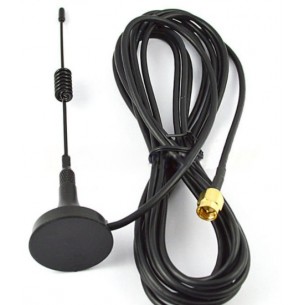
Antenna with an SMA male connector working in the 433 MHz frequency band. It has a gain of 5 dBi and a cable 3 m long. Magnetically attached
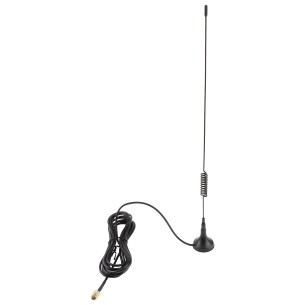
USR-LORA-XP-TX is a dedicated antenna in the 800–1020 MHz band, essential to ensure proper and stable radio communication with the USR-LG206-H-P module. The use of the antenna improves transmission efficiency and the operating range of the device.

Antenna with RP-SMA male plug operating in the 433 MHz frequency band. It has a gain of 3 dBi

A broadband antenna that enables various telecommunications networks, including 4G, 3G, 2G and LPWA. It operates in the frequency range from 700 to 2700 MHz. Waveshare 4G/3G/2G/LPWA Outdoor Antenna

WiFi antenna with SMA male plug working in the 2.4 GHz frequency band. It has a gain of 3 dBi

A broadband antenna that enables various telecommunications networks, including 5G, 4G, 3G and 2G. It operates in the frequency range from 600 to 6000 MHz. Waveshare 5G/4G/3G/2G External Antenna
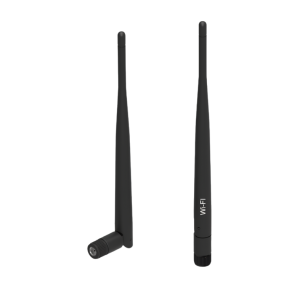
WiFi rod antenna designed for routers, access points and networking devices operating in the 2.4GHz band. Supports frequencies of 2400-2483MHz, providing 5dBi antenna gain, vertical polarization and 50Ω impedance. Equipped with an RP-SMA male connector and a hinged design allowing 90° positioning. Overall length of 195mm and IP33 protection rating. Teltonika PR1URF51

Dual-band antenna operating in the 2.4 GHz or 5.8 GHz band. Works great with WiFi, Bluetooth or ZigBee. Uses the popular U.FL connector. SparkFun WRL-18087
Antenna Frequency Range
The operating frequency range is one of the primary parameters when selecting an antenna. The antenna should support the frequency band used by the connected radio module, modem or other communication device. Frequency information helps narrow down models suitable for a specific transmission system.
Antenna Types and Designs
The category includes rod, magnetic, panel, flexible FPC and ceramic antennas. The design affects the installation method and suitability for integration into a device, enclosure or external installation. Antennas intended for direct surface mounting on printed circuit boards are available separately in the SMD Antennas category.
Connectors and Connection Methods
When selecting an antenna, the antenna connector type and connection method should be considered. Different connector standards allow antennas to be matched with communication modules, modems, development boards and devices equipped with external antenna connectors.
Antenna Gain and Installation Parameters
Antenna gain, specified in dBi, allows antennas to be compared in terms of their ability to concentrate radiated energy in particular directions. Antenna length, cable length, mounting method and installation location should also be considered, as mechanical parameters can be important when integrating an antenna into a device.