
.png)



Category: Antennas
Antennas for Radio Communication Systems
The range includes antennas designed for use with modules and devices utilizing radio communication. Individual models differ in operating frequency range, construction, antenna gain and radiation characteristics, so antenna selection should take into account the parameters of the transmitter or receiver used in the system.
There are 58 products.
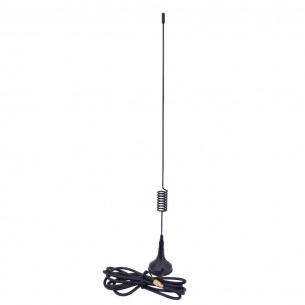
Antenna with MCX male connector operating in the 1090 MHz frequency band. It has a gain of 3.5 dBi and a 1 m cable. Magnetically attached
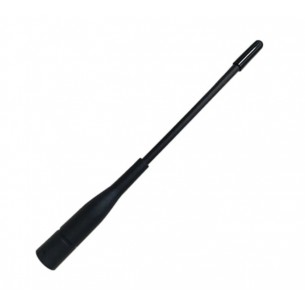
Flexible antenna with SMA male connector operating in the 433 MHz frequency band. It has a gain of 3 dBi
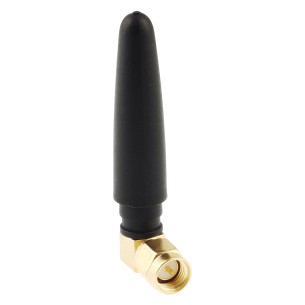
The internal WiFi antenna with a 3 dBi gain, supporting 2.4 GHz and 5.8 GHz frequency bands, provides stable wireless connections for devices such as Mini PCI cards, cameras, USB adapters, and network routers. Available with RP-SMA or SMA connectors, it ensures easy integration with a variety of network equipment. Its flexible rubber construction allows for optimal positioning to achieve the best signal.
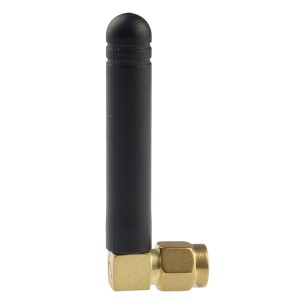
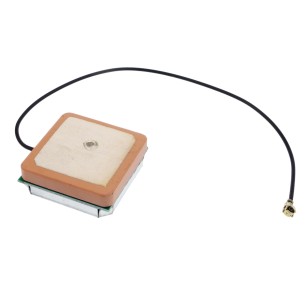
Antenna with built-in LNA amplifier with high sensitivity, for mounting in a device using a GPS module. The antenna has a 75mm cable, terminated with a U.FL plug (IPEX). Dimensions of the device: 25 x 25 x 4 mm
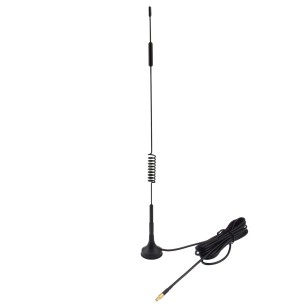
7 dBi 3G/4G/LTE antenna with wide frequency range designed to improve cellular connection quality. The magnetic base and long cable make it easy to install in the optimal location, making it suitable for routers, modems, telemetry systems, and IoT applications
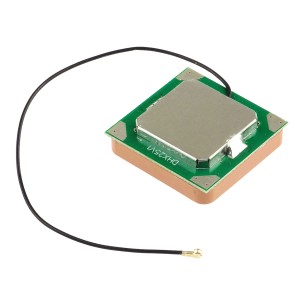
Antenna with a built-in high-sensitivity LNA amplifier for mounting in devices using GPS modules. Equipped with a cable terminated with an MHF4 connector. Dimensions: 25 x 25 x 4 mm
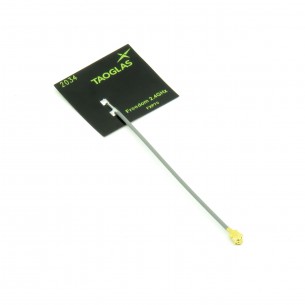
Taoglas Wi-Fi antenna with U.FL connector It provides the perfect connection to Wi-Fi in any device. The frequency band of the antenna is 2.4 GHz
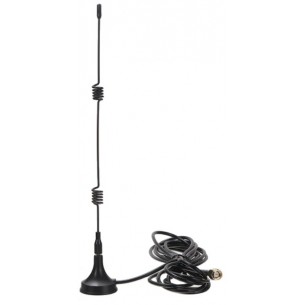
Antenna with SMA male plug operating in the 2.4 GHz frequency band. It has a gain of 7 dBi and a cable. Magnetically attached
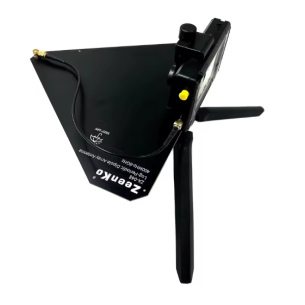
A compact log-periodic antenna designed for measurement and diagnostic applications in the 400 MHz – 8 GHz band. It works well with spectrum analyzers, especially for locating EMI sources and in directional measurements.
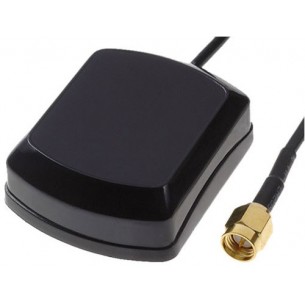
GPS antenna, internal, SMA-A, 5m, straight, magnet
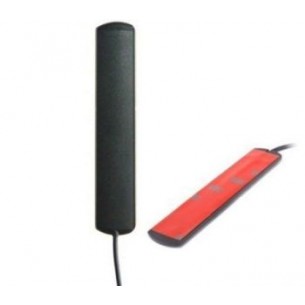
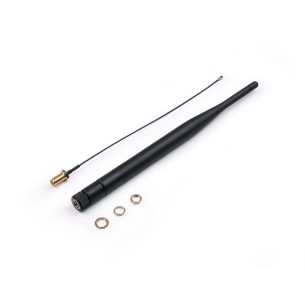
The LoRa antenna kit for reTerminal DM and the Wio-WM1302 module provides stable communication in the 824–960 MHz and 1710–2700 MHz bands. With 2 dBi gain, omnidirectional radiation pattern, and durable construction, the antenna is suitable for IoT, industrial automation, as well as monitoring and remote control systems.
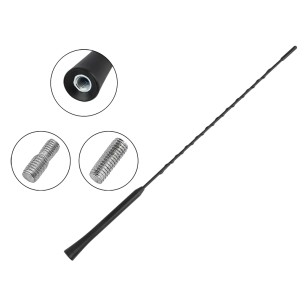
The BLOW FMM603 car antenna offers efficient FM and AM signal reception with a compact 40 cm mast. Its universal thread and included adapters make it compatible with most vehicles, providing easy installation and durable construction.
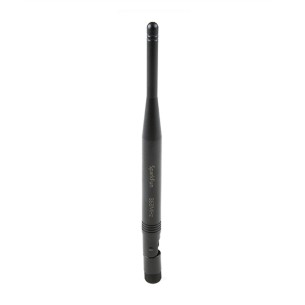
Antena o wzmocnieniu 2dBi, przekazana do komunikacji na częstotliwości 868 MHz. złącze w złącze SMA. SparkFun WRL-20855
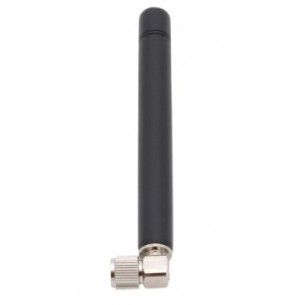
Antenna with an SMA male connector working in the 868 MHz frequency band. It has a gain of 5 dBi and the tip at right angles
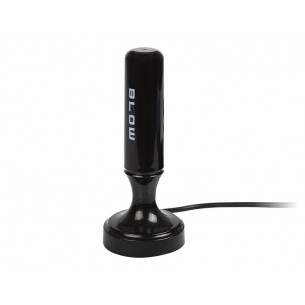
Active HDTV antenna with 28 dB amplification, supporting FullHD and 4K UltraHD standard. Designed for indoor installation. BLOW ATD40
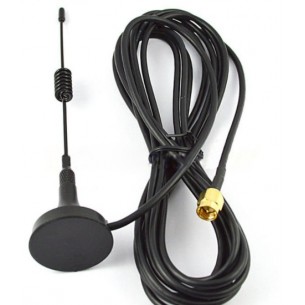
Antenna with an SMA male connector working in the 433 MHz frequency band. It has a gain of 5 dBi and a cable 3 m long. Magnetically attached
No product available!
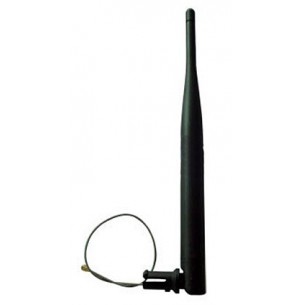
Rod antenna 2.4G, gain 5dBi, connector type: IPEX/U.FL, RoHS
No product available!
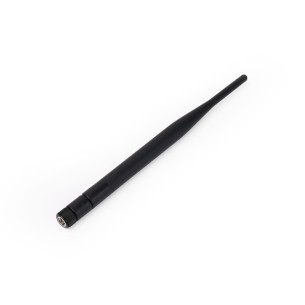
LoRa antenna 868–915 MHz with 2 dBi gain, SMA connector, 195 mm length, foldable design, suitable for IoT and long-range communication systems. Seeed Studio 113070002
No product available!
Antenna Frequency Range
The operating frequency range is one of the primary parameters when selecting an antenna. The antenna should support the frequency band used by the connected radio module, modem or other communication device. Frequency information helps narrow down models suitable for a specific transmission system.
Antenna Types and Designs
The category includes rod, magnetic, panel, flexible FPC and ceramic antennas. The design affects the installation method and suitability for integration into a device, enclosure or external installation. Antennas intended for direct surface mounting on printed circuit boards are available separately in the SMD Antennas category.
Connectors and Connection Methods
When selecting an antenna, the antenna connector type and connection method should be considered. Different connector standards allow antennas to be matched with communication modules, modems, development boards and devices equipped with external antenna connectors.
Antenna Gain and Installation Parameters
Antenna gain, specified in dBi, allows antennas to be compared in terms of their ability to concentrate radiated energy in particular directions. Antenna length, cable length, mounting method and installation location should also be considered, as mechanical parameters can be important when integrating an antenna into a device.