.png)


- Out-of-Stock
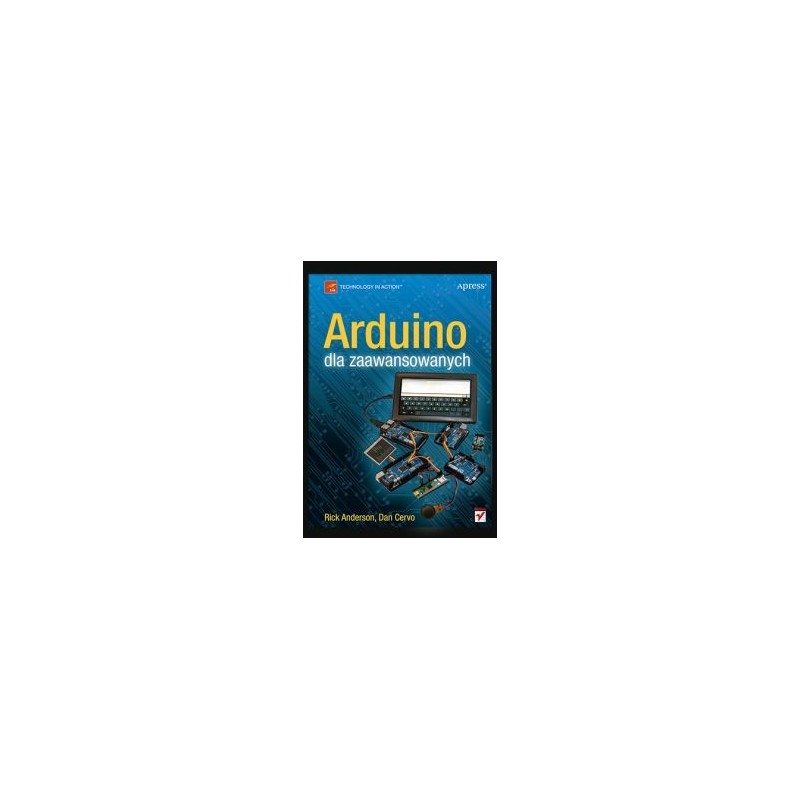

Rick Anderson, Dan Cervo
The Arduino platform is a wonderful child of engineers thanks to which the electronics world has gained thousands of new enthusiasts. Where did they come from? Thanks to Arduino, even a complete layman can build an attractive electronic system that will make his life easier. If we add great documentation and an environment specifically designed for software development, it becomes clear why Arduino is so popular.
There are already a few items on the publishing market dedicated to Arduino, but usually they contain collections of projects that the reader can do on their own. In the meantime, if you have the ambition to create innovative solutions that you will not find on the web or in books, you must gain much more knowledge. This book will provide it to you. In the course of reading you will learn how to use XBee radio networks, communicate with Android and integrate Arduino with non-standard layouts, such as Atmel. In addition, you'll learn how to use multiple Arduino platforms to work on one problem. And then you'll learn to create libraries for Arduino and share them with the community. In this lies the greatest strength of the platform!
Find out:
About the authors (11)
About the content corrector (12)
Introduction (13)
Thanks (14)
Chapter 1. Changes in the Arduino core 1.0.4 (15)
Chapter 2. Arduino programming and social coding (29)
Chapter 3. OpenFrameworks and Arduino software (61)
Chapter 4. Android ADK Tools (77)
Chapter 5. XBee radio modules (105)
Chapter 6. Simulation of sensors (125)
Chapter 7. PID controllers (143)
Chapter 8. Android sensor networks (155)
Chapter 9. Arduino application with PIC32 and ATtiny Atmel systems (179)
Chapter 10. Multiprocessing: greater power of connected Arduino (197)
Chapter 11. Creating games for Arduino (217)
Chapter 12. Our own libraries for Arduino (243)
Chapter 13. Arduino test kit (265)
Index (287)
No product available!
No product available!
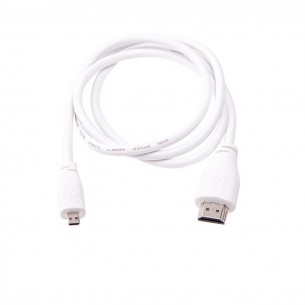
MicroHDMI - HDMI cable in white color, 2 meter long. Intended for use with Raspberry Pi 4 model B.
No product available!
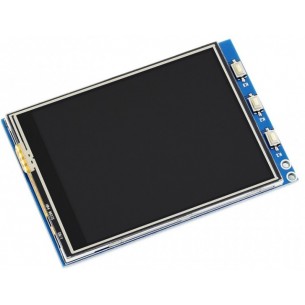
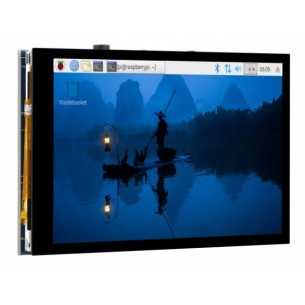
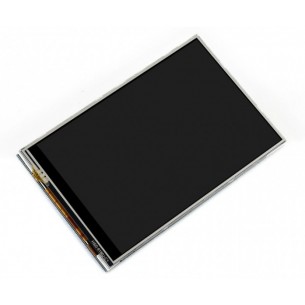
3.2" LCD TFT display with touch screen. The display is equipped with an SPI interface for image display and touch screen operation. Resolution 320x240 pixels. Waveshare 3.2inch RPi LCD (C)
No product available!
IPS 4" LCD display with touch screen. The display is equipped with DPI interface for image display and I2C interface for touch screen. Resolution 800x480 pixels. Waveshare 4inch DPI LCD (B)
No product available!
4" LCD TFT display with touch screen. The display is equipped with an SPI interface for image display and touch screen operation. Resolution 480x320 pixels. Waveshare 4inch RPi LCD (C)
No product available!
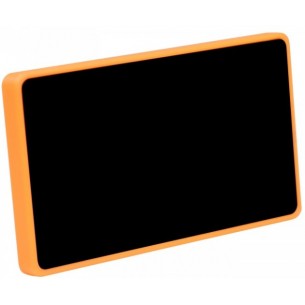
5" AMOLED display with touch screen. The display is equipped with HDMI interface for image display and USB for touch screen. Resolution 1920x1080 pixels. The set includes protective case. Waveshare 5inch HDMI AMOLED (with case)
No product available!
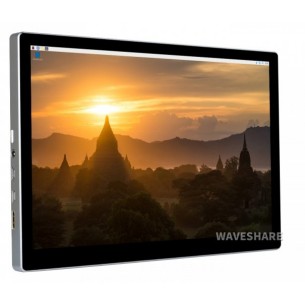
9" portable monitor with touch screen. Equipped with mini HDMI interface for image display and USB for touch screen operation. High resolution 2560x1600 pixels. Waveshare 9inch 2560x1600 LCD
No product available!
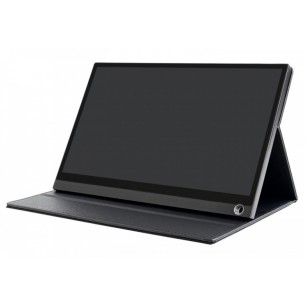
12.5" portable touch screen monitor. The monitor is equipped with HDMI interface for image display and USB Type-C for image display and touch screen. High resolution 1920x1080 pixels. Waveshare 12.5inch FHD LCD
No product available!
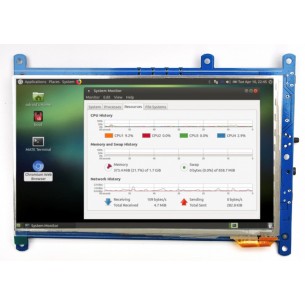
7" TFT LCD display with touch screen for Odroid C1+, C2, N2 and XU4 computers. The display is equipped with HDMI interface for image display and USB for touch screen. Resolution 1024x600 pixels. ODROID-VU7A Plus
No product available!
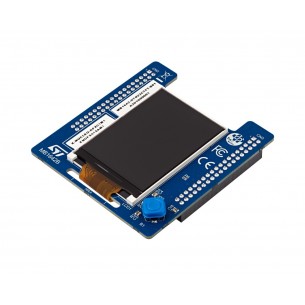
Expansion board with LCD TFT 2.2" display for STM32 Nucleo kits. It can work with the latest version of the TouchGFX 4.15.0 environment. STMicroelectronics X-NUCLEO-GFX01M1
No product available!
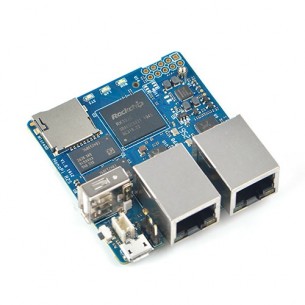
Minicomputer Rockchip RK3328 quad-core processor and 1GB RAM. The module has two Ethernet ports, USB 2.0 port and microUSB. It is equipped with a microSD card slot. FriendlyELEC NanoPi R2S
No product available!
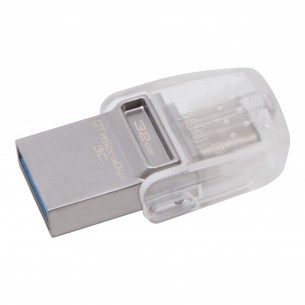
Pendrive with a capacity of 32 GB with a USB 3.0 interface. Equipped with double USB type A and USB type C. Kingston DTDUO3C/32GB
No product available!
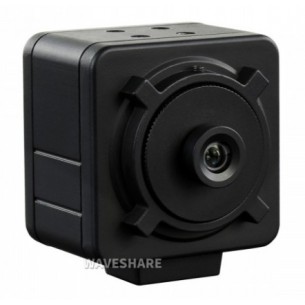
Set with a camera for applications in the areas of artificial intelligence. The camera module is based on a dedicated Intel Movidius Myriad X MV2085 computing unit with the performance of 4TFlops. The camera has a resolution of 8 MP. Waveshare OpenNCC-Lite-4G8M
No product available!
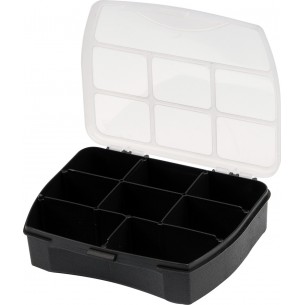
Organizer with dimensions of 12x10 cm made of plastic.
No product available!
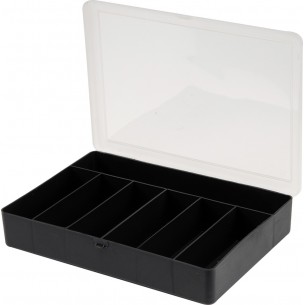
Organizer with dimensions of 20x14,5 cm made of plastic.
No product available!
Rick Anderson, Dan Cervo