.png)










- Out-of-Stock
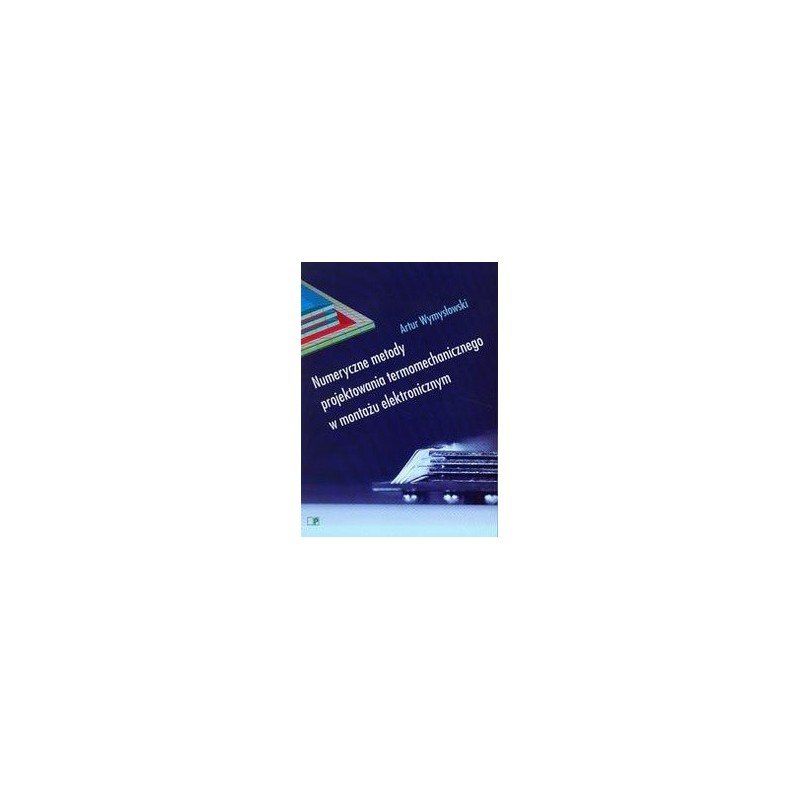

Artur Wymyslowski
The increase in interest in numerical design is, among other things, the result of increasing pressure of the electronics industry due to increasing competitiveness and consumer expectations. The problem of pro-ecological design is also important.
The miniaturization and integration of integrated circuits as well as the increase in the amount of information processed also means that efforts are being made to produce handheld devices and devices with increased functionality and working at ever higher frequencies.
Methods and numerical design algorithms become one of the key engineering tools. Selected methods and algorithms of numerical design in electronic assembly were discussed and a certain methodology was proposed, the aim of which is to optimize the reliability of electronic assembly, taking into account aspects such as sensitivity analysis and tolerance design.
Table of Contents
List of markings
1. Introduction
2.Microelectronics and electronic assembly
- The role and importance of electronic assembly
- The development of integrated circuits and the development of electronic assembly techniques
- Reliability of electronic devices and electronic assembly
- Damage to electronic assembly
- Thermal energy removal in electronic assembly
- Assumptions, goals and directions of work
3. Methods and algorithms of design in electronic assembly
- Numerical design methods
- Application of algorithms in numerical design
- Advanced compact algorithms
- An example of the use of algorithms in the design of electronic assembly
4. Numerical methods of modeling and forecasting damages in electronic assembly
- Thermomechanical damages and properties and material models
- Strength of bi-material connectors for wire connections and bonding
- Creep and stress relaxation for glued joints and moldings
- Fatigue of soldered connections
5. Example of comprehensive numerical design
- Description of electronic assembly in QFN type housing
- Numerical model of the QFN system
6.Podsumowanie.
7.Bibliografia.
No product available!
No product available!
No product available!
No product available!
No product available!
No product available!
No product available!
No product available!
No product available!
No product available!
No product available!
No product available!
No product available!
No product available!
No product available!
No product available!
Artur Wymyslowski