.png)


- Out-of-Stock
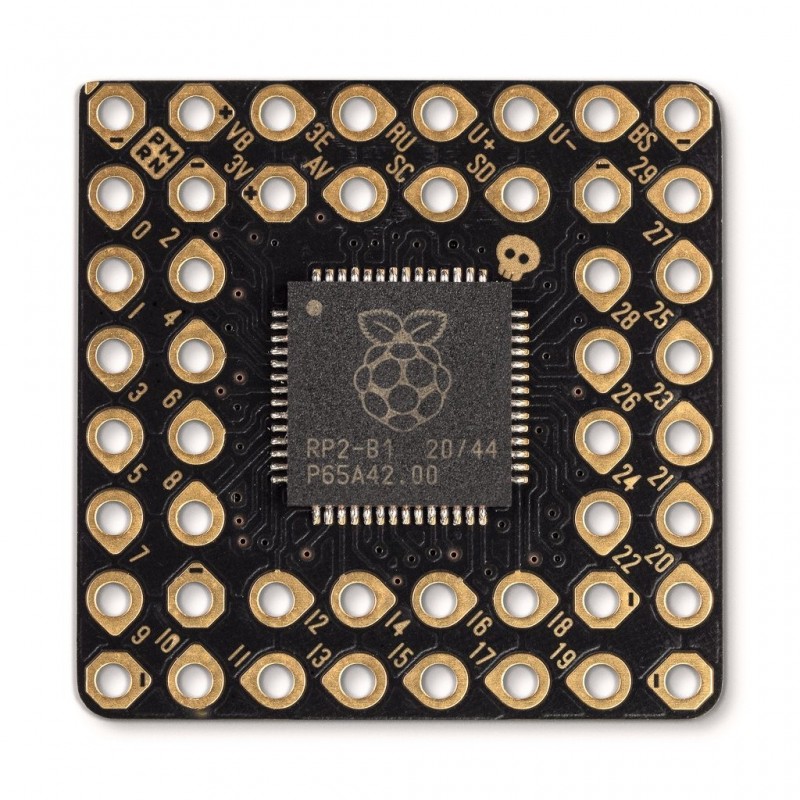
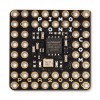

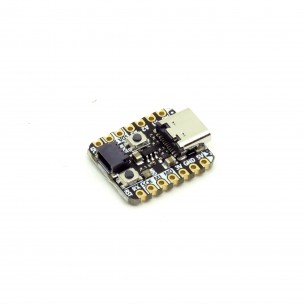
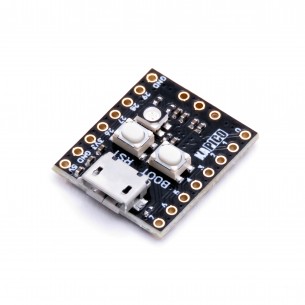
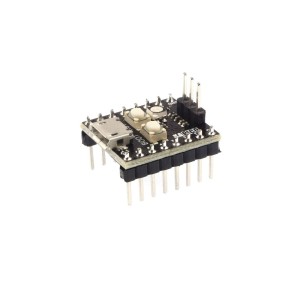
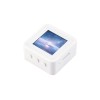
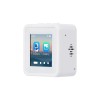
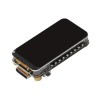
Mini board with RP2040 microcontroller equipped with two ARM Cortex-M0+ 133 MHz cores, 264 kB RAM. The board also has 8 MB of QSPI flash memory. The circuit can be programmed in C/C++, CircuitPython or MicroPython. PIM577
Mini board equipped with RP2040 microcontroller designed by the Raspberry Pi foundation. The system has two ARM Cortex M0 + cores operating at a frequency of 133 MHz, 264 KB of RAM and 30 GPIO ports. The microcontroller is not equipped with flash memory, but on the board there is an external memory with a capacity of 8 MB connected via the QSPI interface.
The board has very small dimensions (21 x 21 mm) and contains only the necessary elements needed for proper operation. The user has access to the pins of the microcontroller located around the system in the mischief of holes with a 2.54 mm pitch.
The platform supports the popular programming languages MicroPython, CircuitPython and C/C++. Programs can be loaded to memory via SWD or USB interface (no connector on the board).
Data sheet
Manufacturer
Responsible person
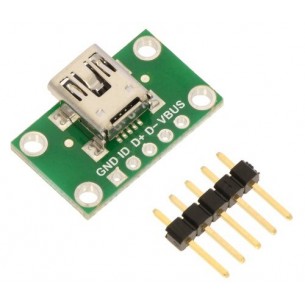
USB Mini-B Connector Breakout Board
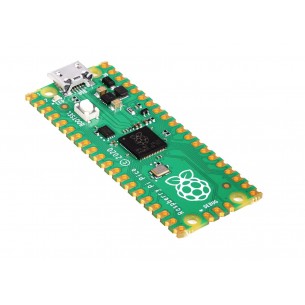
Module with the RP2040 microcontroller with two ARM Cortex-M0 + cores operating at 133 MHz, 256 kB RAM and 30 GPIO. The board also has 2 MB of external QSPI flash memory. Module can be programmed in C/C++ or microPython. Raspberry Pi Pico
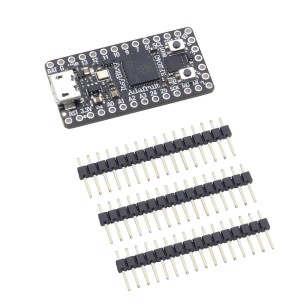
The board with the RP2040 microcontroller equipped with two ARM Cortex-M0+ cores, which work at a frequency of 133 MHz, 256 kB RAM. The board also has 4 MB of QSPI flash memory. The system can be programmed in C/C++ or MicroPython. Adafruit 4888
The board with the RP2040 microcontroller equipped with two ARM Cortex-M0+ cores, which work at a frequency of 133 MHz, 264 kB RAM. The board also has 8 MB of QSPI flash memory. The circuit can be programmed in C/C++, CircuitPython or MicroPython. Adafruit 4900
The board with the RP2040 microcontroller equipped with two ARM Cortex-M0 + cores operating at a frequency of 133 MHz, 264 kB RAM. There is as much as 16 MB of QSPI flash memory on the board. The system can be programmed in C / C ++ or microPython. KApico RP2040
No product available!
The board with the RP2040 microcontroller equipped with two ARM Cortex-M0 + cores operating at a frequency of 133 MHz, 264 kB RAM. There is as much as 16 MB of QSPI flash memory on the board. The system can be programmed in C / C ++ or microPython. Soldered connectors. KApico RP2040
No product available!
No product available!
No product available!
No product available!
No product available!
No product available!
No product available!
No product available!
No product available!
No product available!
No product available!
No product available!
No product available!
No product available!
No product available!
No product available!
Mini board with RP2040 microcontroller equipped with two ARM Cortex-M0+ 133 MHz cores, 264 kB RAM. The board also has 8 MB of QSPI flash memory. The circuit can be programmed in C/C++, CircuitPython or MicroPython. PIM577