


zł24.30 tax excl.
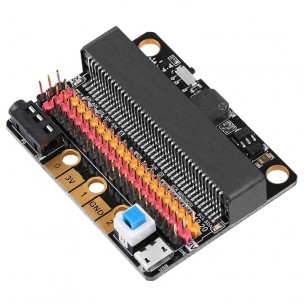
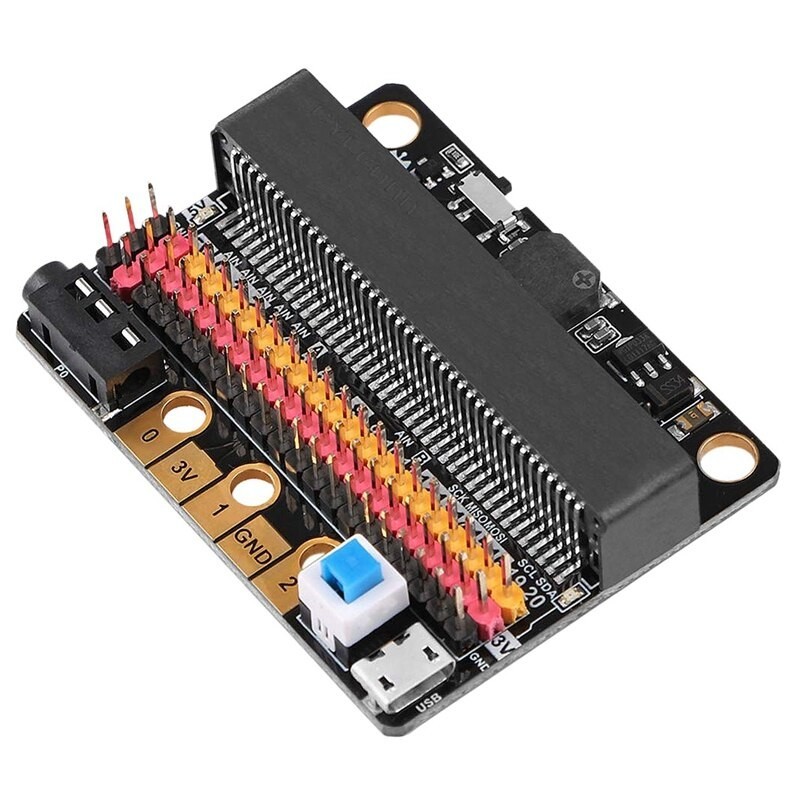
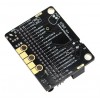
The IO expansion module is designed to work with the micro:bit educational board. There are 20 IO pins on the board, a buzzer, audio output and voltage stabilization circuit
The IO expansion module is designed to work with the micro:bit educational board. There are 20 IO pins on the board. Each IO has the VCC and GND power pins, which greatly facilitates the connection of additional elements, e.g. sensors. The module is equipped with a voltage stabilization circuit, has a built-in buzzer, audio output and a 5-pin gold-plated connector. The board can be powered by a microUSB connector. The module will work in many projects using micro: bit that require the connection of additional sensors or display.
Manufacturer BTC Korporacja sp. z o. o. Lwowska 5 05-120 Legionowo Poland sprzedaz@kamami.pl 22 767 36 20
Responsible person BTC Korporacja sp. z o. o. Lwowska 5 05-120 Legionowo Poland sprzedaz@kamami.pl 22 767 36 20
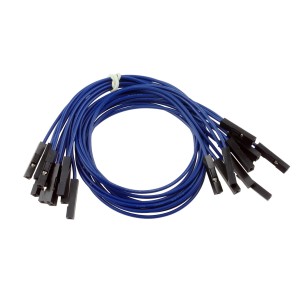
Cables for evaluation boards, set of 10 pcs., blue colour
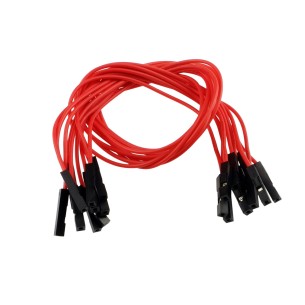
Cables for evaluation boards, set of 10 pcs., red colour
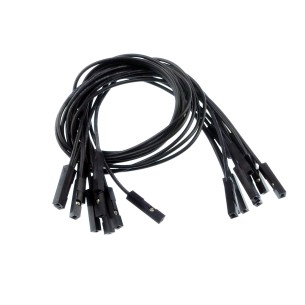
A set of 10 pieces of female-female connecting cables with a length of 21 cm. CAB_F-F (BK-10-25)
No product available!
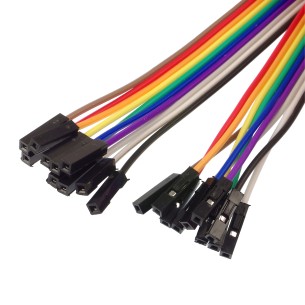
A set of 10 female-female connection cables, in various colors, 17 cm long. CAB_F-F (Rainbow-10-17)
No product available!
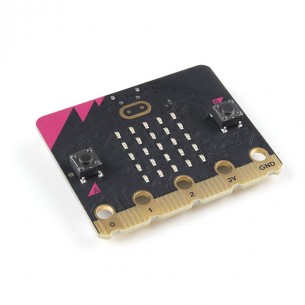
Educational micro:bit module with 32-bit ARM Cortex-M4 microcontroller. Manufactured to interest the youngest in computer engineering. SparkFun DEV-17287
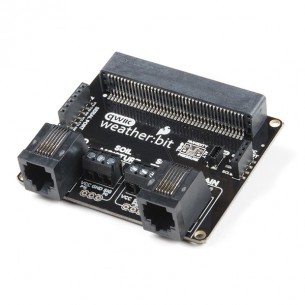
SparkFun weather: bit module designed for micro: bit, with temperature, humidity and pressure sensor (BME280 system). In combination with the micro: bit module, it is possible to build a fully functional weather station. SparkFun DEV-15837
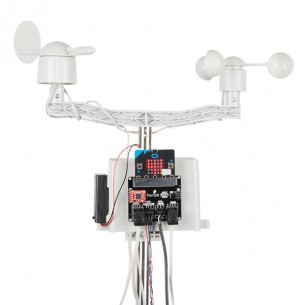
The SparkFun micro:climate kit is a full weather station kit that is built on top of the weather:bit carrier board. The set contains all the elements needed to build a weather station. Sparkfun KIT-16274
No product available!
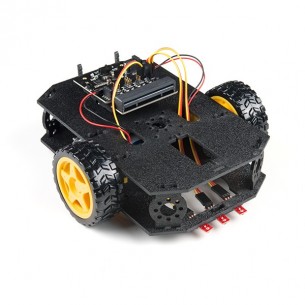
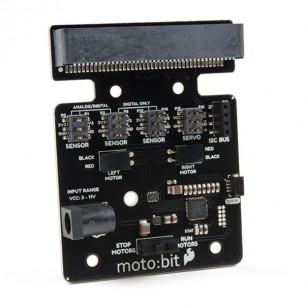
SparkFun micro:bot kit v2.0 - is the perfect controller for learning how to build and program robots. The combination of micro:bit with the SparkFun moto:bot carrier board creates an efficient, cheap robotics platform with Qwiic support for robot enthusiasts of all ages. With SparkFun micro:bot, you can quickly create simple robots. SparkFun kit-16275
The expansion module is designed for micro:bit sets. Offers a simple, beginner-friendly robotics controller. SparkFun DEV-15713
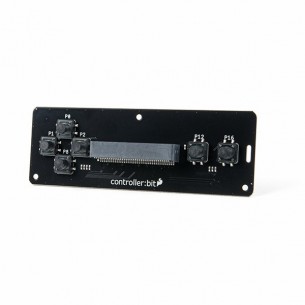
The expansion module is designed for micro:bit board. Controller: bit offers a fully functional controller module with a design based on a classic Nintendo controller. SparkFun DEV-16129
Educational micro:bit module with 32-bit ARM Cortex-M4 microcontroller. Manufactured to interest the youngest in computer engineering. SparkFun DEV-17287
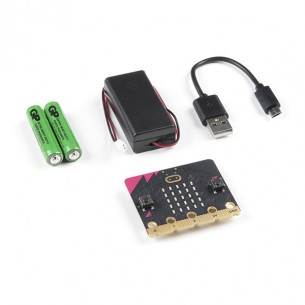
Starter kit with micro:bit v2. In addition to the micro:bit v2 board, the set includes a microUSB-USB cable, a battery basket and two AAA batteries. SparkFun DEV-17288
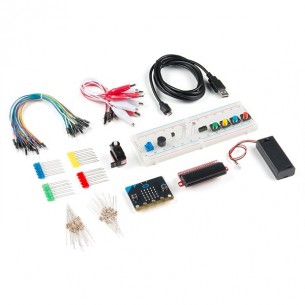
Starter kit with micro:bit v2. The set includes the most necessary elements needed to implement micro:bit projects: LEDs, buttons, potentiometer, servo, prototype board and a set of cables. SparkFun KIT-17362
No product available!
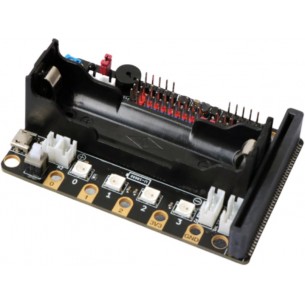
The magic:bit expansion module is designed to work with the micro:bit learning board. It can control servos, DC motors, stepper motors, has four RGB LEDs, an IR receiver and a buzzer
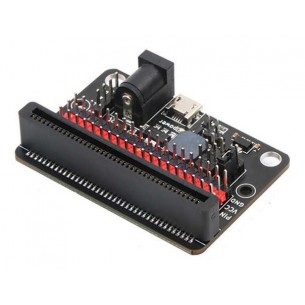
IO expansion module designed for use with the micro:bit educational development board. The board exposes 20 IO pins along with 3.3 V power and GND lines, enabling direct connection of sensors and electronic modules. The design includes a built-in passive buzzer and a voltage stabilization circuit allowing the module to be powered via a 6–12 V DC connector or a microUSB port
No product available!
The IO expansion module is designed to work with the micro:bit educational board. There are 20 IO pins on the board, a buzzer, audio output and voltage stabilization circuit
No product available!
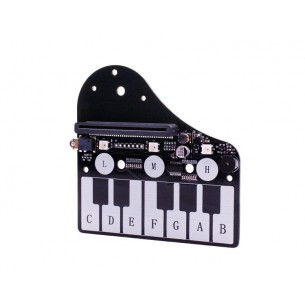
The expansion module is designed to work with the micro:bit educational board. It allows you to build an electronic piano
No product available!
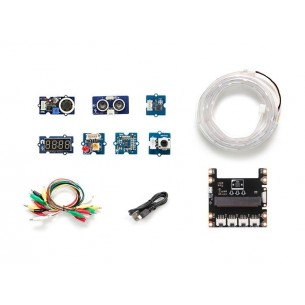
Starter kit for the micro:bit v2. The kit includes an expansion module with Grove connectors, Grove modules with sensors and the necessary accessories. Seeed Studio 110060762
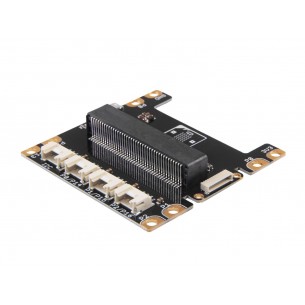
The expansion module is designed for micro:bit v2. It is equipped with connectors to which you can attach modules compatible with the Grove standard. Seeed Studio 103100063
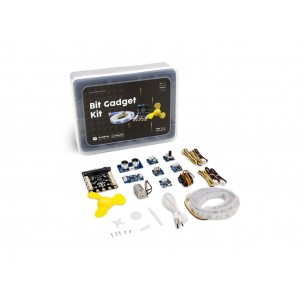
Starter kit for the micro:bit educational module. The kit includes an expansion module with Grove connectors, Grove modules and the necessary accessories. Seeed Studio 114991970
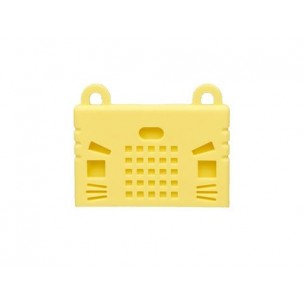
Silicone case designed for the micro:bit educational module. Yellow color. Seeed Studio 114991667
The IO expansion module is designed to work with the micro:bit educational board. There are 20 IO pins on the board, a buzzer, audio output and voltage stabilization circuit