.png)



zł33.23 tax excl.
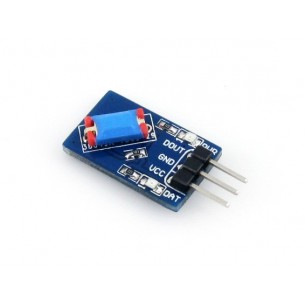
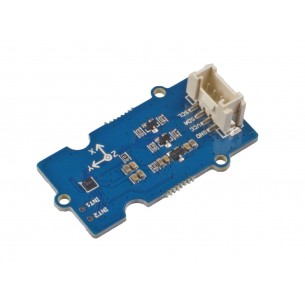
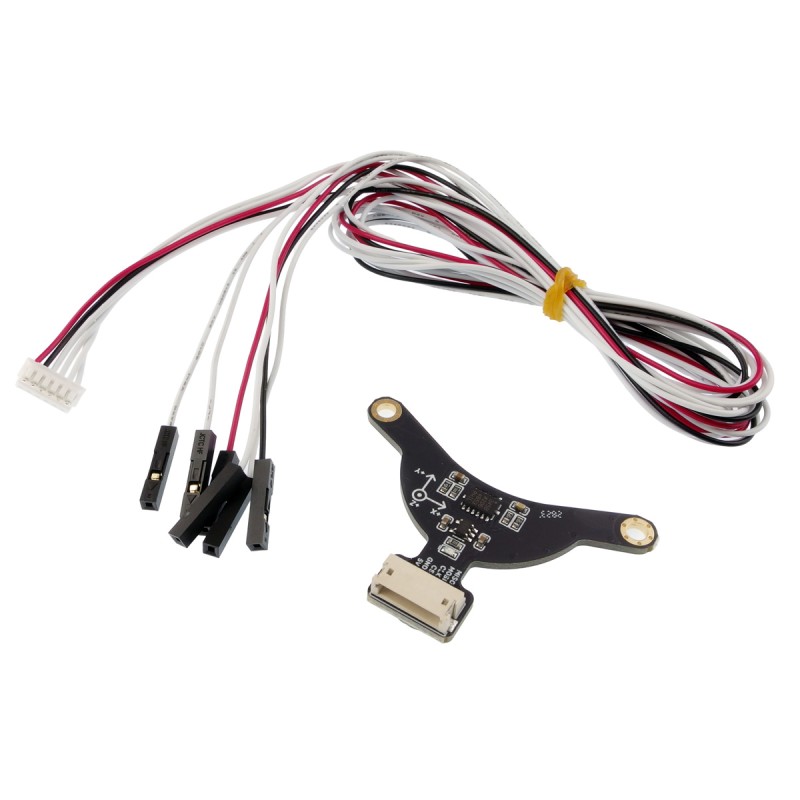
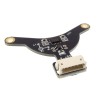
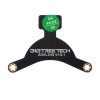
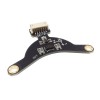
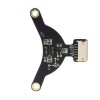
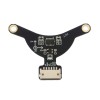
Module with a 3-axis accelerometer that allows you to measure acceleration in the range of ±16g with a resolution of 13 bits. It communicates via the SPI or I2C interface
Module with a 3-axis ADXL345 accelerometer that allows for acceleration measurement in the range of ±16g with a resolution of 13 bits. It is powered by 3 to 5 V and communicates via the I2C or SPI interface. High resolution enables measurement of the tilt angle with an accuracy of 1°, which makes the module suitable for use, among others, in mobile devices. It can be used to measure both static and dynamic gravitational acceleration. The sensor has a built-in free fall detector and a single and double "click" detection system.
Manufacturer
Responsible person
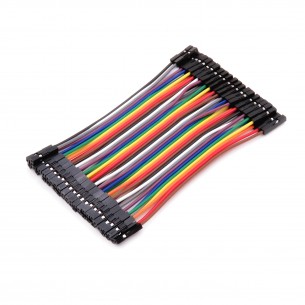
A set of 40 pieces of female-female connecting cables in various colors, 10 cm long
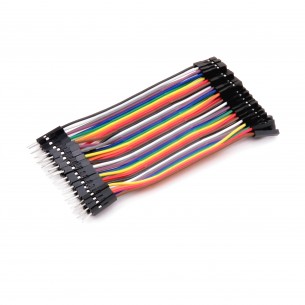
A set of 40 pcs of male-female connecting cables in various colors, 10 cm long
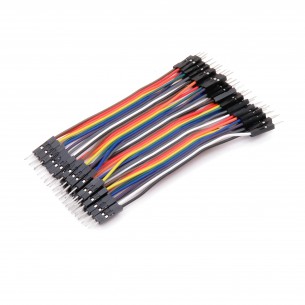
A set of 40 pcs of male-male connecting cables in various colors, 10 cm long
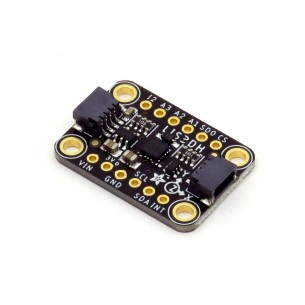
This sensor communicates over I2C or SPI (our library code supports both) so you can share it with a bunch of other sensors on the same I2C bus. Adafruit 2809
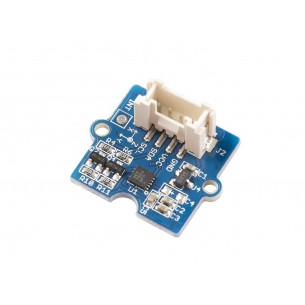
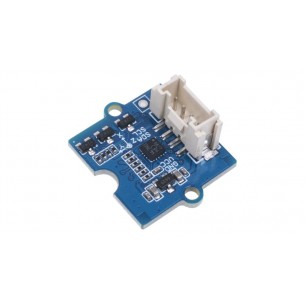
Module with a 3-axis MMA7660FC accelerometer with a measuring range up to ± 1.5g. The board is equipped with a Grove connector and communicates via the I2C interface. Seeed Studio 101020039
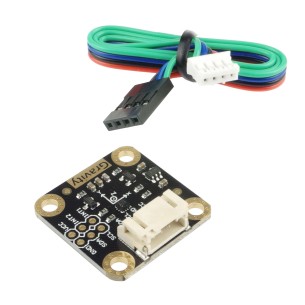
Module of the 3-axis LIS2DH, I2C accelerometer. DFRobot SEN0224
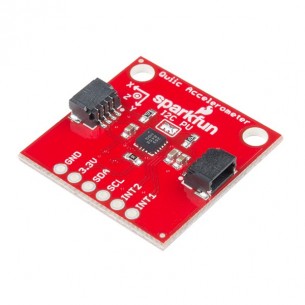
Module with the 3-axis MMA8452Q accelerometer. The system has a user selectable measurement scale of ±2g/±4g/±8g. There are two Qwiic connectors on the board and holes with 2.54 mm raster. SparkFun SEN-14587
KAmodMMA8451Q is a module with the MMA8451Q three-axis accelerometer from NXP. The sensor allows the measurement of acceleration in the range of ±2g/±4g/±8g, the measurement frequency is from 1.56 Hz to 800 Hz. Communication with the sensor is realized via the I2C interface. The board is equipped with the Pmod I2C standard connector and the KAMAMI connector. Kamami KAmodMMA8451Q
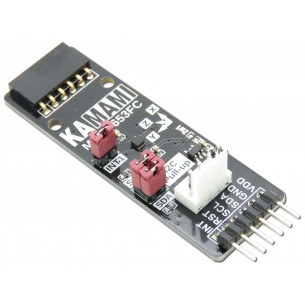
KAmodMMA8653FC is a module with NXP's MMA8653FC three-axis accelerometer. The sensor allows the measurement of acceleration in the range of ± 2g / ± 4g / ± 8g, the measurement frequency is from 1.56 Hz to 800 Hz. Communication with the sensor takes place via the I2C interface
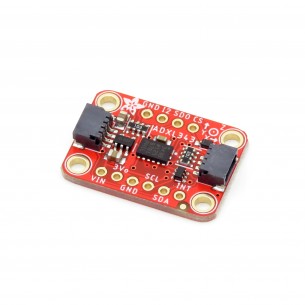
Module with a 3-axis ADXL343 accelerometer with a configurable measuring range of ±2g/±4g/±8g/±16g. Equipped with a STEMMA QT connector, it communicates via the I2C or SPI interface. Adafruit 4097
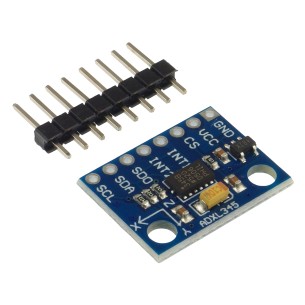
Module with 3-axis digital accelerator ADXL345, SPI and I2C communication.
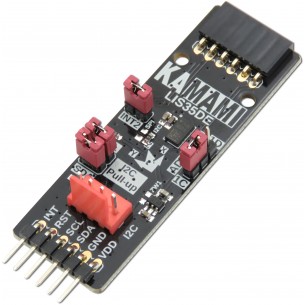
KAmodLIS35DE is a module with a three-axis LIS35DE accelerator from STMicroelectronics. The chip has a digital signal output (I2C or SPI bus) and allows acceleration measurement in three axes.
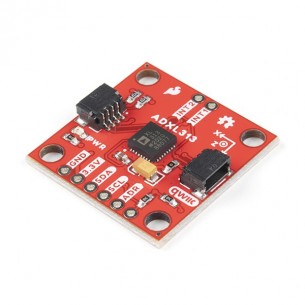
Module with the 3-axis ADXL313 accelerometer with measuring ranges of ± 0.5 g, ± 1 g, ± 2 g or ± 4 g. The system is characterized by high 13-bit resolution and low power consumption. SparkFun SEN-17241
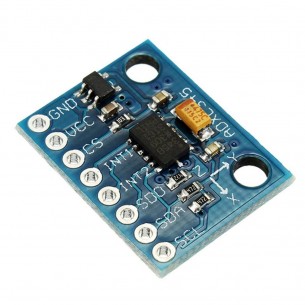
A module with a 3-axis accelerometer that allows you to measure acceleration in the range of ± 16g with a resolution of 13 bits. GY-291 ADXL345
No product available!
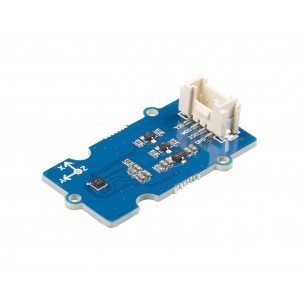
Module with the LIS3DHTR 3-axis accelerometer. The board is equipped with a Grove connector and communicates via the I2C interface. Seeed Studio 114020121
Module with a 3-axis BMA400 accelerometer with a measuring range up to ± 16g. The board is equipped with a Grove connector and communicates via the I2C interface. Seeed Studio 101020582
Module with BMA456 pedometer, which combines an acceleration sensor and built-in step counting algorithms. The board is equipped with a Grove connector and communicates via I2C. Seeed Studio 101020583
KAmodMC3635 is a module with the MC3635 three-axis accelerometer from mCube. The sensor allows the measurement of acceleration in the range of ±2g/±4g/±8g/±12g/±16g, the measurement frequency is from 14 to 1300 Hz. Communication with the sensor is realized via the I2C interface. The board is equipped with the Pmod I2C standard connector and the KAMAMI connector. Kamami KAmodMC3635
Module with a 3-axis accelerometer that allows you to measure acceleration in the range of ±16g with a resolution of 13 bits. It communicates via the SPI or I2C interface