.png)



zł142.24 tax excl.
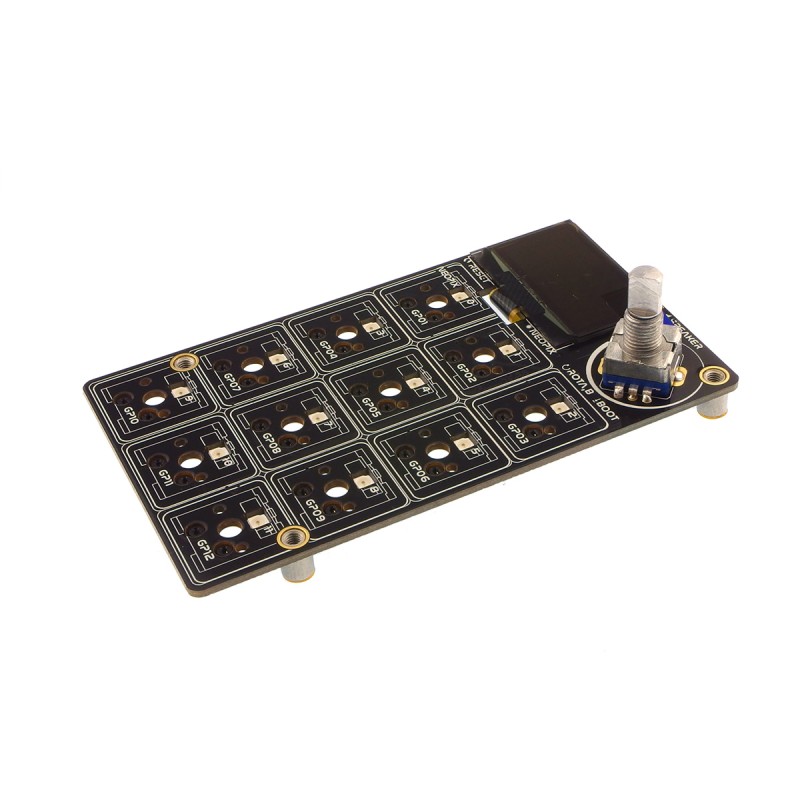
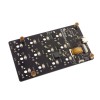
Mechanical keyboard module with LED backlight, encoder and display. Based on the RP2040 microcontroller. Adafruit 5100
Mechanical keyboard module based on the RP2040 microcontroller. Equipped with Cherry MX compatible switch sockets (no switches and sockets included). On the board, the user has an encoder, buzzer and OLED display with a resolution of 128x64 px, communicating via the SPI interface. Each of the buttons is illuminated by the RGB NeoPixel diode, and additional sensors can be connected thanks to the STEMMA QT connector. The module is controlled by the RP2040 microcontroller, which has two ARM Cortex M0 + cores operating at a frequency of 133 MHz, 264 KB of RAM and 30 GPIO ports. The microcontroller is not equipped with flash memory, but on the board there is an external memory with a capacity of 8 MB connected via the QSPI interface. Can be programmed in C/C++, CircuitPython or MicroPython. Full documentation and examples of use are available on the product page.
Data sheet
Manufacturer
Responsible person
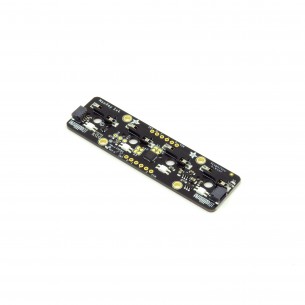
Module for 4 mechanical buttons with LED backlight in the form of NeoPixel diodes. Communicates via I2C. Adafruit 4980
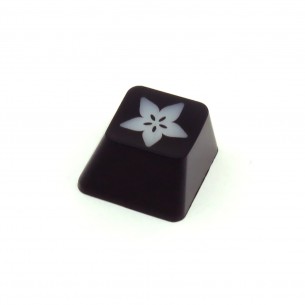
The cap with the Adafruit logo dedicated to the button of the mechanical keyboard with switches compatible with Cherry MX. Made of translucent material. Adafruit 5094
No product available!
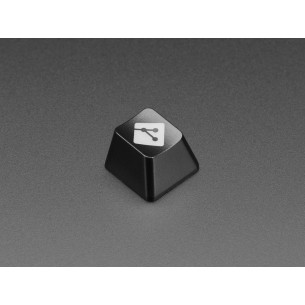
The cap with the GIT Logo dedicated to the button of the mechanical keyboard with switches compatible with Cherry MX. Made of translucent material. Adafruit 5193
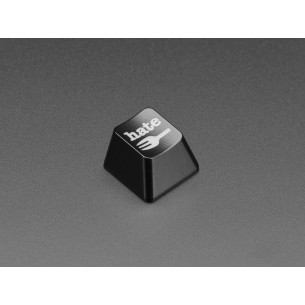
The cap with the Hate Fork graphics dedicated to the button of the mechanical keyboard with switches compatible with Cherry MX. Made of translucent material. Adafruit 5194
The cap with the inscription "wont fix" dedicated to the button of the mechanical keyboard with switches compatible with Cherry MX. Made of translucent material. Adafruit 5197
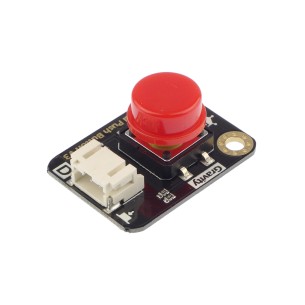
Module with a button, LED diode and a red cap. DFRobot DFR0029-R
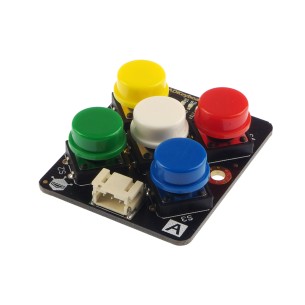
Keyboard module with five colored buttons. The board is equipped with a Gravity connector and has an analog output. Powered with the voltage of 3.3 V or 5 V. DFRobot DFR0075
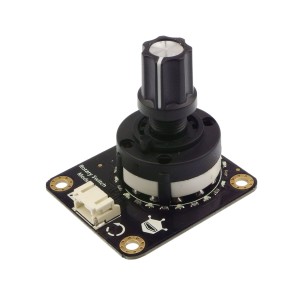
Module with 12-position rotary switch. It is supplied with the voltage ranging from 3.3 V to 12 V and has an analog output (Gravity connector). DFRobot SEN0156
Module with 5 colored buttons. Each button is powered independently and has an output informing about its status
No product available!
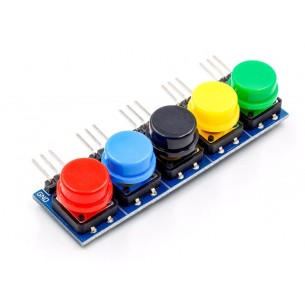
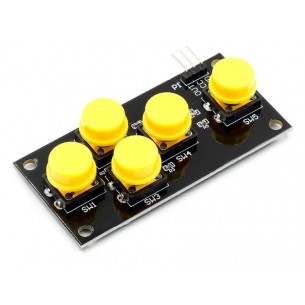
5-button keyboard module with analog output
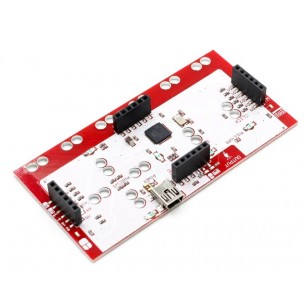
Universal module for building a keyboard. The set consists of a control board with a miniUSB socket and cables with crocodile clips
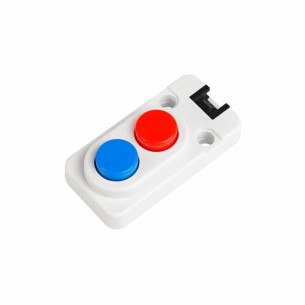
The module is equipped with two buttons in red and blue. It communicates via a digital interface and allows you to add simple controls to your M5Stack based project. M5Stack U025
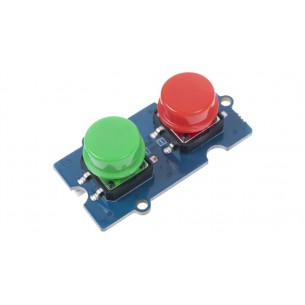
Two-button module with 4 colored overlays. The board is equipped with a Grove connector and communicates via a digital interface. Seeed Studio 111020103
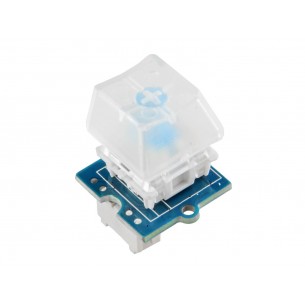
Module with a button and RGB LED backlight. The board is equipped with a Grove connector and communicates via a digital interface. Seeed Studio 111020049
No product available!
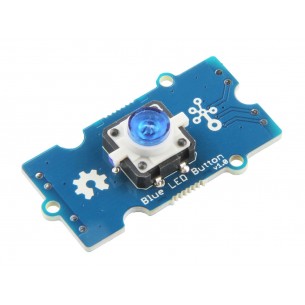
Module with a button and blue LED backlight. The board is equipped with a Grove connector and communicates via a digital interface. Seeed Studio 111020046
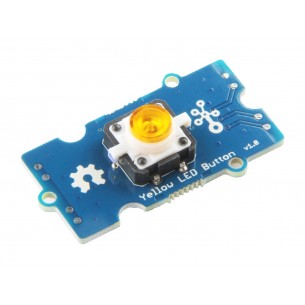
Module with a button and yellow LED backlight. The board is equipped with a Grove connector and communicates via a digital interface. Seeed Studio 111020045
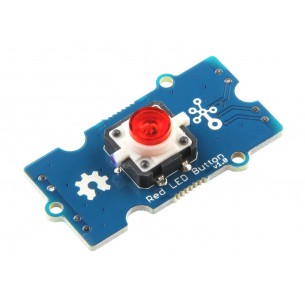
Module with a button and red LED backlight. The board is equipped with a Grove connector and communicates via a digital interface. Seeed Studio 111020044
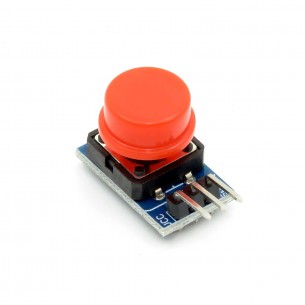
Module with a button and a cover in red
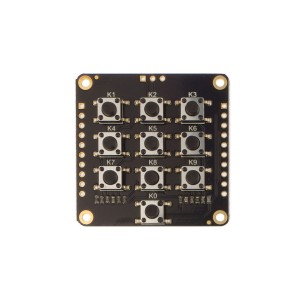
Keyboard module with 10 tact switch buttons. The state of the buttons can be read using digital pins or a common analog output. DFRobot DFR0792
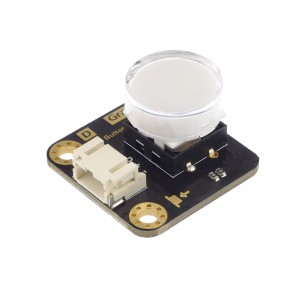
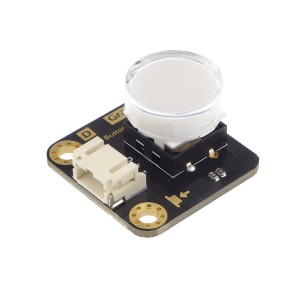
Module with a button and yellow LED backlight. The board is equipped with a Gravity connector and communicates via a digital interface. DFRobot DFR0785-Y
Module with a button and blue LED backlight. The board is equipped with a Gravity connector and communicates via a digital interface. DFRobot DFR0785-B
Mechanical keyboard module with LED backlight, encoder and display. Based on the RP2040 microcontroller. Adafruit 5100