.png)





zł41.35 tax excl.
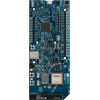
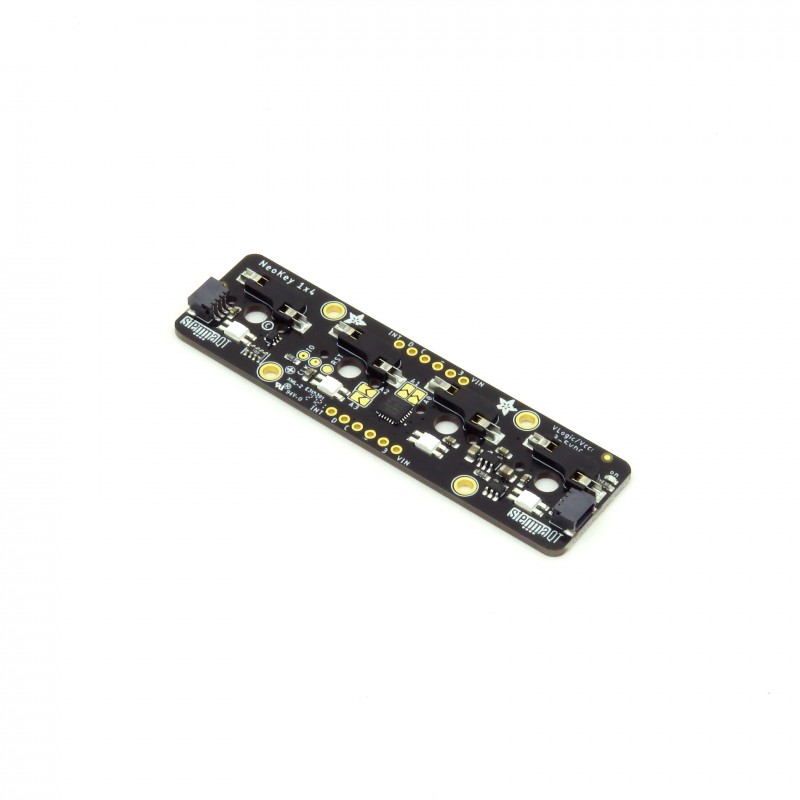
Module for 4 mechanical buttons with LED backlight in the form of NeoPixel diodes. Communicates via I2C. Adafruit 4980
Mechanical keyboard module with 4 buttons in a 4x1 arrangement and LED backlight for each button. It is characterized by high reliability, and the LED backlight gives the keyboard an amazing look. Comes with Kailh hot-swap switch slots for Cherry MX compatible switches (no switches and caps included). It can work with systems with a working voltage of 3.3 V or 5 V, and communication is via the I2C interface (STEMMA QT connector). Full documentation with examples is available on the product page.
Manufacturer
Responsible person
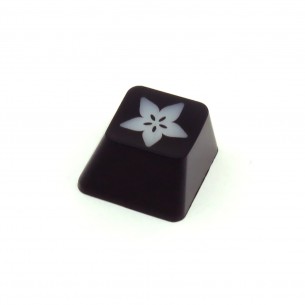
The cap with the Adafruit logo dedicated to the button of the mechanical keyboard with switches compatible with Cherry MX. Made of translucent material. Adafruit 5094
No product available!
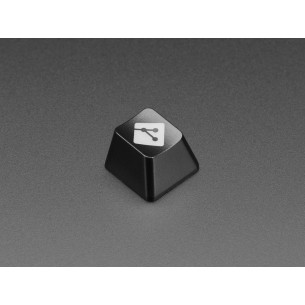
The cap with the GIT Logo dedicated to the button of the mechanical keyboard with switches compatible with Cherry MX. Made of translucent material. Adafruit 5193
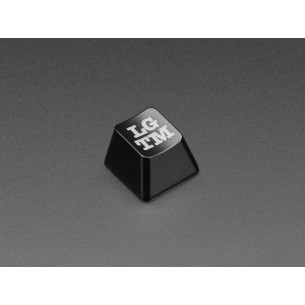
The cap with the inscription LGTM dedicated to the button of the mechanical keyboard with switches compatible with Cherry MX. Made of translucent material. Adafruit 5195
The cap with the inscription "wont fix" dedicated to the button of the mechanical keyboard with switches compatible with Cherry MX. Made of translucent material. Adafruit 5197
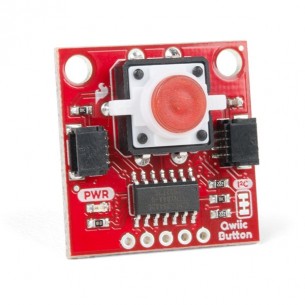
Module with a button and re LED backlight. Controlled by the I2C interface, it has a built-in debouncing mechanism, pull-up resistors as well as interrupts and a FIFO queue. SparkFun BOB-15932
No product available!
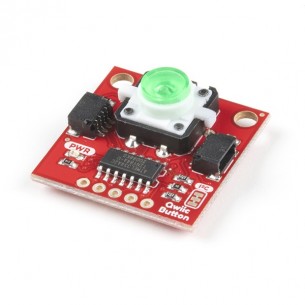
Module with a button and green LED backlight. Controlled by the I2C interface, it has a built-in debouncing mechanism, pull-up resistors as well as interrupts and a FIFO queue. SparkFun BOB-16842
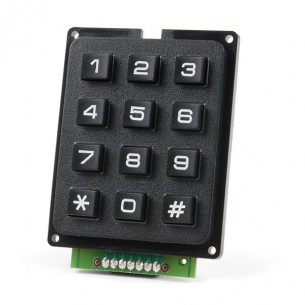
Numeric keypad module with 12 buttons. The board has the ATtiny85 microcontroller, which processes data from the keyboard and sends it in a convenient form via the I2C interface. SparkFun COM-15290
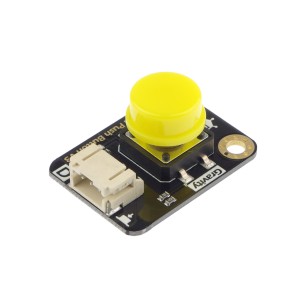
Module with a button, LED diode and a yellow cap. DFRobot DFR0029-Y
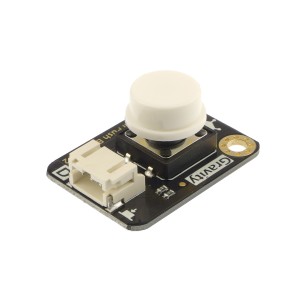
Module with a button, LED diode and a white cap. DFRobot DFR0029-W
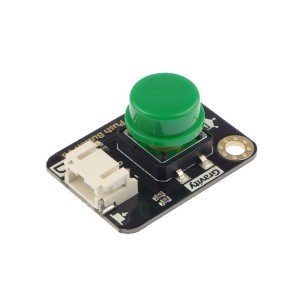
Module with a button, LED diode and a green cap. DFRobot DFR0029-G
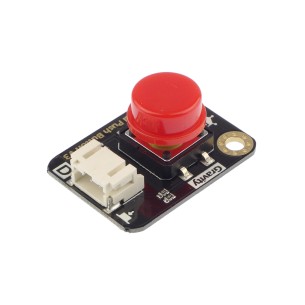
Module with a button, LED diode and a red cap. DFRobot DFR0029-R
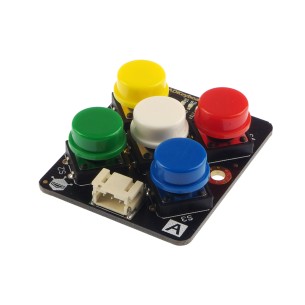
Keyboard module with five colored buttons. The board is equipped with a Gravity connector and has an analog output. Powered with the voltage of 3.3 V or 5 V. DFRobot DFR0075
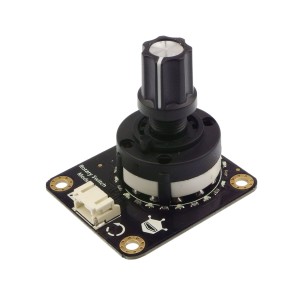
Module with 12-position rotary switch. It is supplied with the voltage ranging from 3.3 V to 12 V and has an analog output (Gravity connector). DFRobot SEN0156
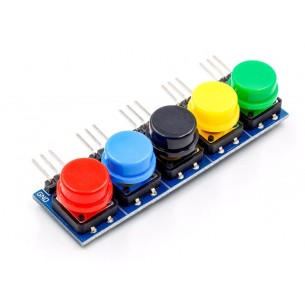
Module with 5 colored buttons. Each button is powered independently and has an output informing about its status
No product available!
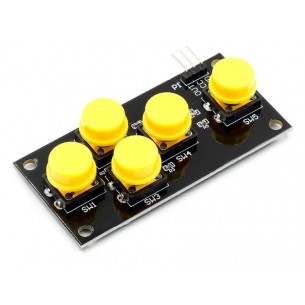
5-button keyboard module with analog output
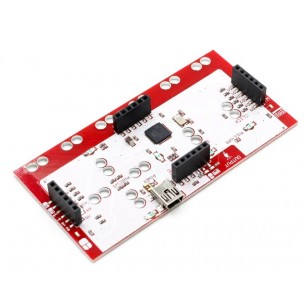
Universal module for building a keyboard. The set consists of a control board with a miniUSB socket and cables with crocodile clips
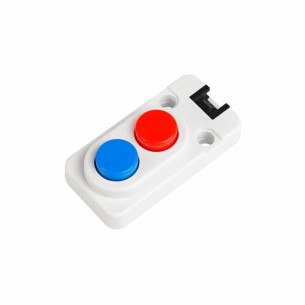
The module is equipped with two buttons in red and blue. It communicates via a digital interface and allows you to add simple controls to your M5Stack based project. M5Stack U025
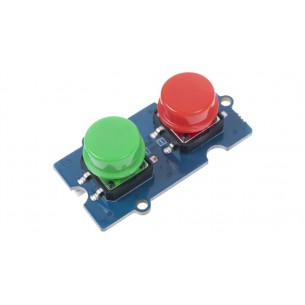
Two-button module with 4 colored overlays. The board is equipped with a Grove connector and communicates via a digital interface. Seeed Studio 111020103
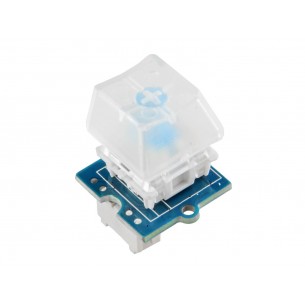
Module with a button and RGB LED backlight. The board is equipped with a Grove connector and communicates via a digital interface. Seeed Studio 111020049
No product available!
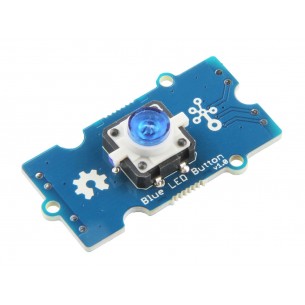
Module with a button and blue LED backlight. The board is equipped with a Grove connector and communicates via a digital interface. Seeed Studio 111020046
Module for 4 mechanical buttons with LED backlight in the form of NeoPixel diodes. Communicates via I2C. Adafruit 4980