

zł193.48 tax excl.
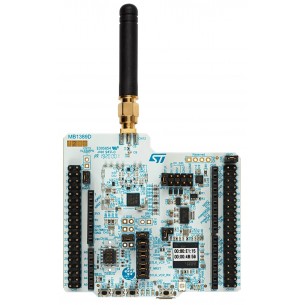
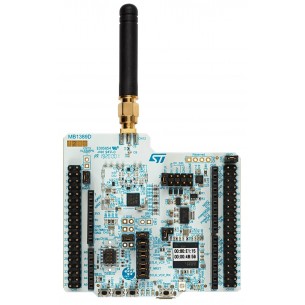
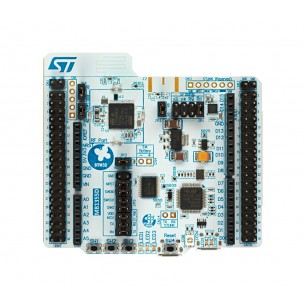
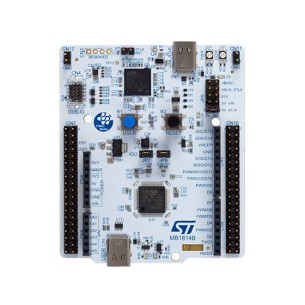
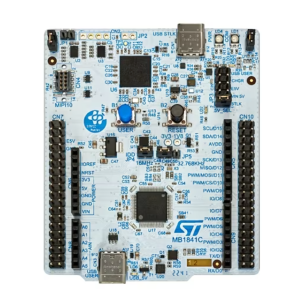
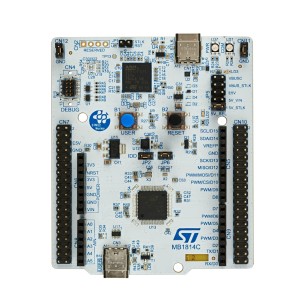
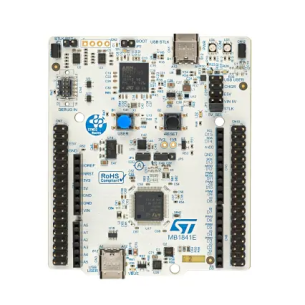
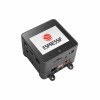
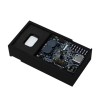
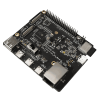
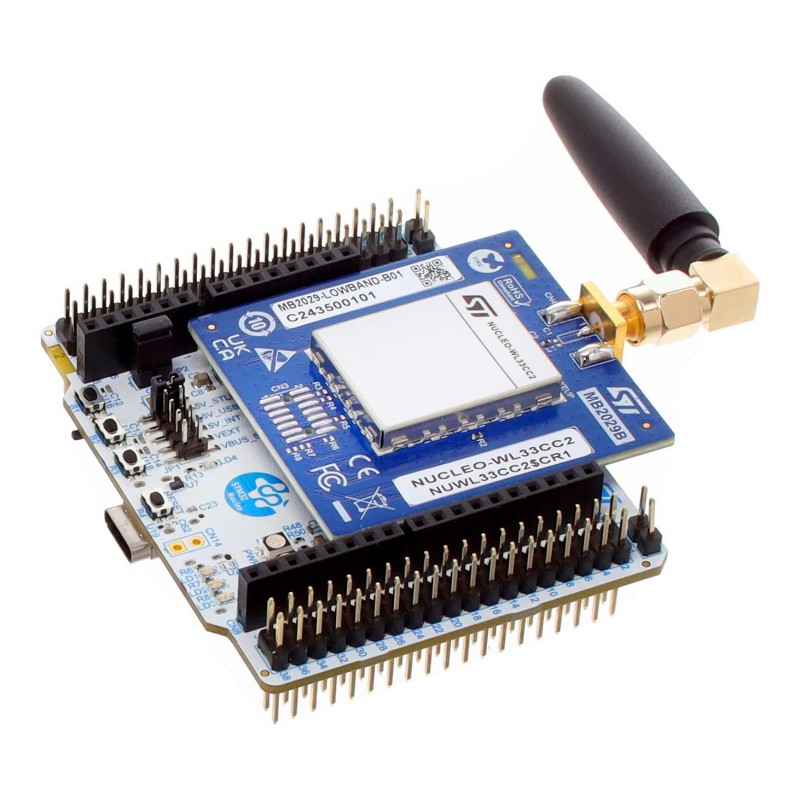
NUCLEO-WL33CC2 is a development board with an STM32WL33CCV6 microcontroller and an integrated Sub-GHz transceiver optimized for the 826–958 MHz bands. Equipped with ARDUINO Uno V3 and ST morpho connectors and a built-in STLINK-V3EC programmer, it enables rapid prototyping of low-power wireless applications.
The NUCLEO-WL33CC2 development board is based on the STM32WL33CCV6 microcontroller with an ARM Cortex-M0+ core, 256 kB of Flash memory, and 32 kB of SRAM. It features an integrated Sub-GHz transceiver optimized for the 826–958 MHz bands, supporting OOK, ASK, 2(G)FSK, 4(G)FSK, D-BPSK, and DSSS modulations. Compatible with WM-Bus, Sigfox, mioty, KNX-RF, and IEEE 802.15.4g protocols. It includes ARDUINO Uno V3 and ST morpho connectors, allowing easy functionality expansion using additional modules. The built-in STLINK-V3EC programmer-debugger provides programming, virtual COM port, and mass storage capabilities. Supplied with an SMA antenna and the STM32CubeWL3 software package with HAL libraries and application examples.
Data sheet
Manufacturer BTC Korporacja sp. z o. o. Lwowska 5 05-120 Legionowo Poland sprzedaz@kamami.pl 22 767 36 20
Responsible person BTC Korporacja sp. z o. o. Lwowska 5 05-120 Legionowo Poland sprzedaz@kamami.pl 22 767 36 20
NUCLEO series starter kit equipped with a STM32WL55JC microcontroller (256 KB Flash, Cortex-M4/M0+), with a built-in STLINK-V3E programmer-debugger, equipped with Arduino-compatible connectors
NUCLEO series starter kit equipped with a STM32WL55JC microcontroller (256 KB Flash, Cortex-M4/M0+), with a built-in STLINK-V3E programmer-debugger, equipped with Arduino-compatible connectors
No product available!
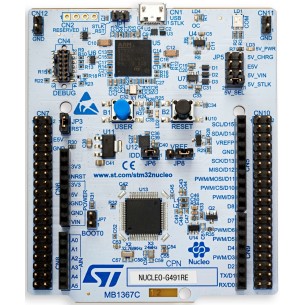
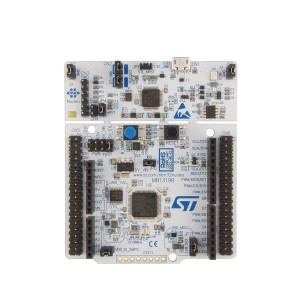
NUCLEO series starter kit equipped with the STM32G491RE microcontroller (512 kB Flash, Cortex-M4), with a built-in programmer-debugger ST-Link-V3E, equipped with connectors compatible with Arduino. STMicroelectronics NUCLEO-G491RE
No product available!
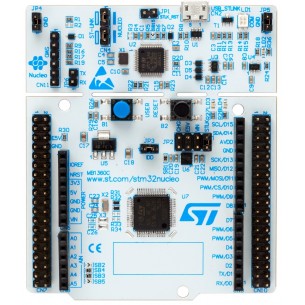
NUCLEO series starter kit equipped with a STM32G0B1RE microcontroller (512 kB Flash, Cortex-M0+), with a built-in programmer-debugger ST-Link/v2, equipped with connectors compatible with Arduino. STMicroelectronics NUCLEO-G0B1RE
No product available!
Bluetooth 5.2 and IEEE 802.15.4 communication kit. It uses the STM32WB55RG microcontroller (1 MB Flash, 256 KB SRAM, ARM® Cortex®-M4 and Cortex®-M0 +). STMicroelectronics NUCLEO-WB55RG
No product available!
Bluetooth 5.2 communication kit. It uses the STM32WB15CC microcontroller (320 kB Flash, 48 KB SRAM, ARM® Cortex®-M4 and Cortex®-M0+). STMicroelectronics NUCLEO-WB15CC
Starter kit from the NUCLEO series equipped with the STM32L452RE microcontroller (512 kB Flash, Cortex-M4), with a built-in programmer-debugger ST-Link/V2, equipped with connectors compatible with Arduino. STMicroelectronics NUCLEO-L452RE-P
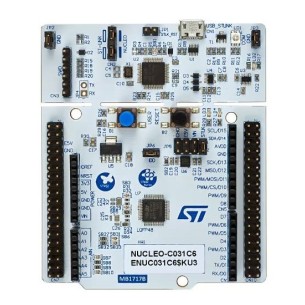
NUCLEO series starter kit featuring STM32C031C6 microcontroller (32 kB Flash, Cortex-M0+), with built-in ST-Link/v2 programmer-debugger, equipped with Arduino-compatible connectors. STMicroelectronics NUCLEO-C031C6
NUCLEO series starter kit featuring STM32H503RB microcontroller (128 kB Flash, Cortex-M33), with built-in ST-Link-V3EC programmer-debugger, equipped with Arduino-compatible connectors. STMicroelectronics NUCLEO-H503RB
NUCLEO series starter kit equipped with an STM32U545RE microcontroller (512 KB Flash, Cortex-M33), with a built-in ST-Link/V3 programmer-debugger, equipped with Arduino-compatible connectors. STMicroelectronics NUCLEO-U545RE-Q
No product available!
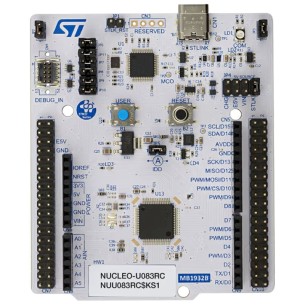
The NUCLEO-U083RC is a versatile development board ideal for prototyping and testing. With high compatibility, energy savings, and low integration costs, it provides an attractive solution for engineers and hobbyists. NUCLEO-U083RC STM32
No product available!
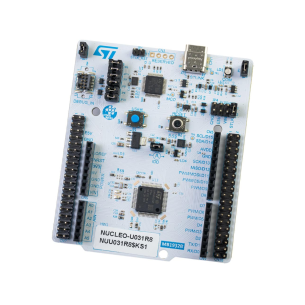
The NUCLEO-U031R8 evaluation kit is a development board with an STM32U031R8T6 (Arm Cortex-M0+) microcontroller, ideal for rapid prototyping of embedded applications. Equipped with 64 KB of Flash memory, 8 KB of RAM and numerous communication interfaces, it has Arduino and ST morpho compatible connectors and a built-in ST-LINK programmer, which makes it easy to integrate and test IoT and automation projects.
No product available!
NUCLEO-H533RE is a universal development board based on the STM32H533RE microcontroller, designed for designing advanced embedded applications requiring cryptographic functions and low power consumption. Thanks to support for the ARDUINO Uno V3 standard and ST morpho connectors, it allows for quick expansion of functionality using a wide range of available shields and modules. The integrated STLINK-V3EC programmer-debugger and compatibility with popular programming environments accelerate the process of creating and testing new projects. The board is ideal for systems requiring data security, IoT devices, industrial applications and real-time systems
No product available!
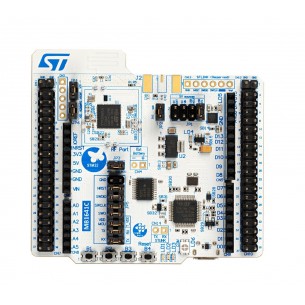
The NUCLEO-WL33CC1 is a versatile development board dedicated to sub-GHz wireless applications, ideal for prototyping IoT solutions, smart metering, building automation, and industrial systems. With its integration of a microcontroller and transceiver, along with broad compatibility with additional modules, it enables fast and efficient development of advanced communication projects
No product available!
NUCLEO starter kit featuring an STM32U385RG microcontroller (1 MB Flash, Cortex-M33), a built-in ST-Link/V3 programmer-debugger, and Arduino-compatible connectors. STMicroelectronics NUCLEO-U385RG-Q
NUCLEO-C071RB is a versatile STM32 development board with the STM32C071RB microcontroller, suitable for creating embedded applications using ST morpho and ARDUINO connectors. The built-in programmer and rich development environment support rapid prototyping.
NUCLEO-WL33CC2 is a development board with an STM32WL33CCV6 microcontroller and an integrated Sub-GHz transceiver optimized for the 826–958 MHz bands. Equipped with ARDUINO Uno V3 and ST morpho connectors and a built-in STLINK-V3EC programmer, it enables rapid prototyping of low-power wireless applications.