






.png)










zł43.17 tax excl.
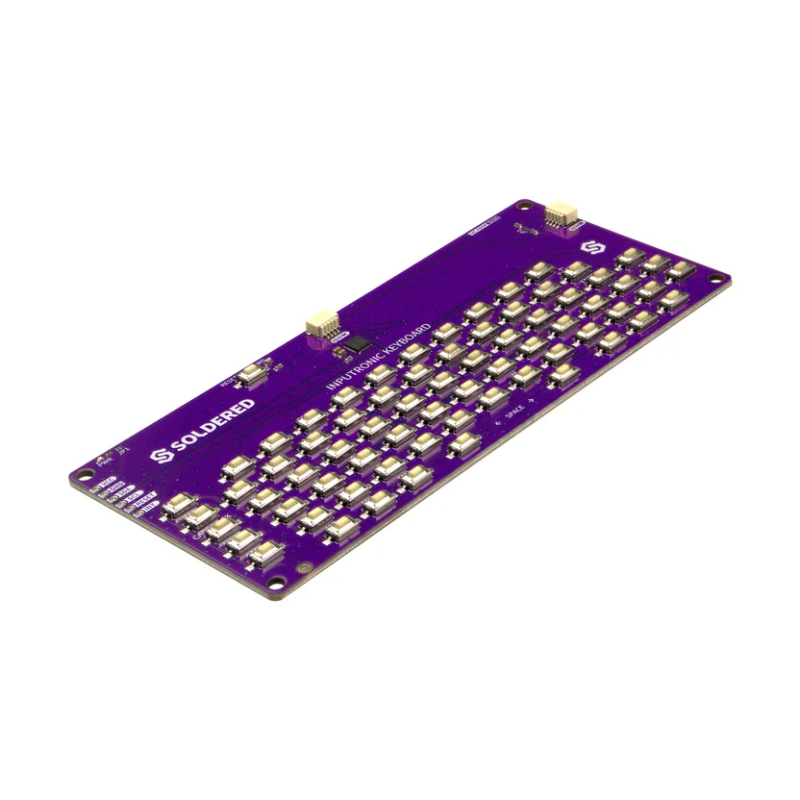
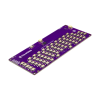
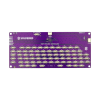
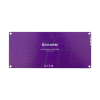
Keyboard with 80 keys arranged in an 8 x 10 matrix, based on the TI TCA8418 IC and I2C communication. Integrated matrix scanning, hardware debouncing and a FIFO buffer reduce the number of required GPIO lines and simplify keyboard event handling in microcontroller-based projects. Soldered 333360
The keyboard uses the TI TCA8418 IC, which handles scanning of 80 keys arranged in an 8 x 10 matrix. This allows the microcontroller to communicate with the board via the I2C bus instead of using 18 separate GPIO lines for rows and columns. The TCA8418 provides hardware debouncing, a FIFO buffer storing up to 10 events, and support for a programmable two-key lock and unlock sequence. The fixed I2C address is 0x34, and the bus can operate at up to 1 MHz in Fast Mode Plus.
Two Qwiic connectors allow solderless connection and integration into a chain of I2C devices. The board operates from 1.65 V to 3.6 V, while standby current consumption is approximately 3 µA. The manufacturer provides Arduino and MicroPython libraries that decode FIFO events into key press and release events. The board measures 136 x 60 mm and includes two 3.2 mm diameter mounting holes designed for M3 screws.
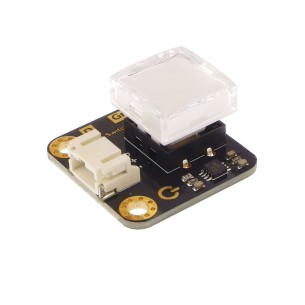
Module with a bistable button and red LED backlight. The board is equipped with a Gravity connector and communicates via a digital interface. DFRobot DFR0785-R
Module with a bistable button and green LED backlight. The board is equipped with a Gravity connector and communicates via a digital interface. DFRobot DFR0785-G
No product available!
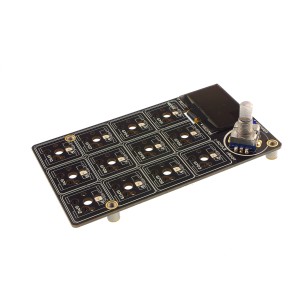
Mechanical keyboard module with LED backlight, encoder and display. Based on the RP2040 microcontroller. Adafruit 5100
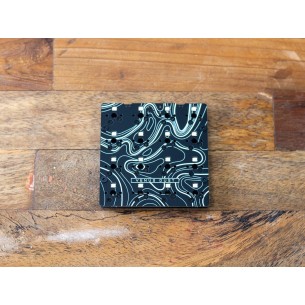
A module for building a mechanical keyboard with 16 buttons and backlight. Based on the RP2040 chip, it has sockets compatible with Cherry-MX switches. Pimoroni PIM567
No product available!
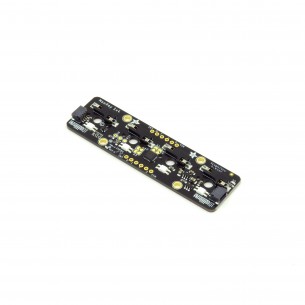
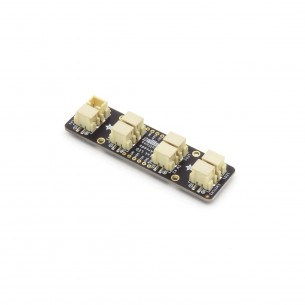
Module for 4 mechanical buttons with LED backlight in the form of NeoPixel diodes. Communicates via I2C. Adafruit 4980
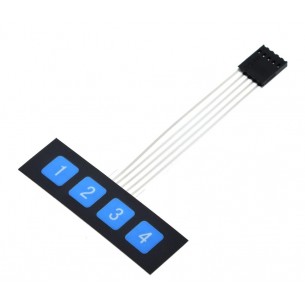
Membrane keypad module with 4 buttons. It is equipped with a tape terminated with a 5-pin connector
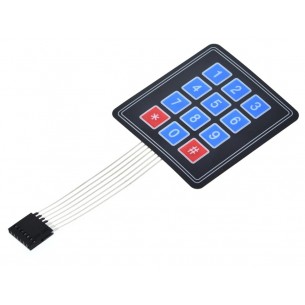
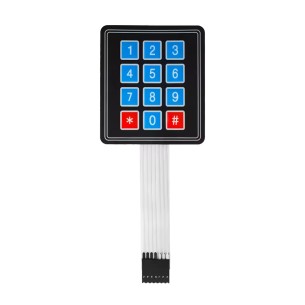
Membrane keypad module with 12 (3x4) buttons. It is equipped with a tape terminated with a 7-pin connector
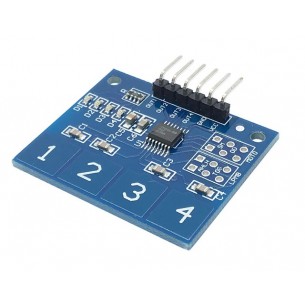
Touch keyboard module with 4 buttons based on the TTP224 system. It is equipped with a connector with derived signals and 4 LEDs signaling the state of each button
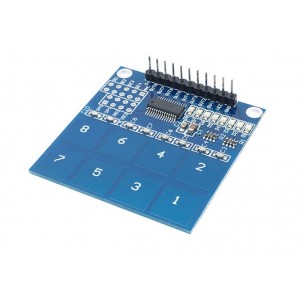
Touch keyboard module with 8 buttons based on the TTP226 chip. It is equipped with a connector with derived signals and LEDs that indicate the state of each button
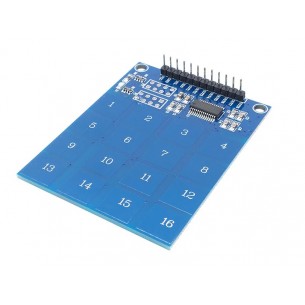
Touch keyboard module with 16 buttons based on the TTP229 chip. It is equipped with a connector with derived signals and a power supply diode
The module allows you to connect 4 arcade buttons with LED backlight. Equipped with a STEMMA QT connector, it communicates via the I2C interface. Adafruit 5296
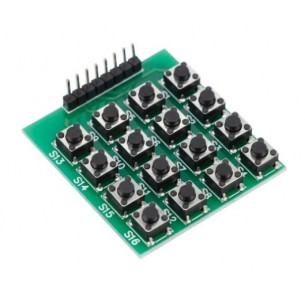
Keyboard module with 16 buttons in the form of a 4x4 matrix. Equipped with an 8-pin connector with 2.54 mm pitch
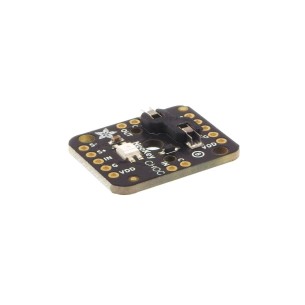
Module with backlight in the form of RGB NeoPixel diode dedicated to CHOC buttons (or compatible). Adafruit 5756
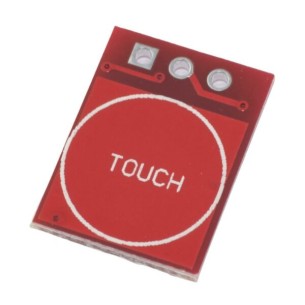
The modTTP223 module is a capacitive touch sensor that detects touch on the sensor surface and generates a digital output signal. With its compact size (14 x 11 mm) and operating voltage range of 2 V to 5.5 V, it is ideal for integration with microcontrollers such as Arduino or Raspberry Pi in projects requiring a touch interface.
The modKB3x4 module is a 12-button matrix membrane keypad arranged in a 3x4 layout, allowing easy data input in electronic projects. With its compact size and simple interface, it is ideal for integration with microcontrollers such as Arduino or Raspberry Pi in applications requiring a user interface. modKB3x4
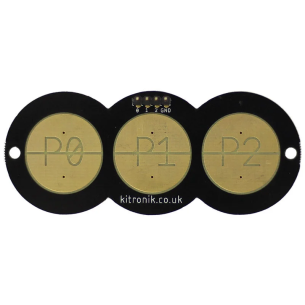
Module with three resistive touch pads designed for use with BBC micro:bit. Breaks out pins P0, P1 and P2 to large finger-operated pads and provides P0, P1, P2 and GND connections via a pre-fitted pin header. The board can be connected using jumper wires or soldered connections and programmed in Microsoft MakeCode. Kitronik 5637
Keyboard with 80 keys arranged in an 8 x 10 matrix, based on the TI TCA8418 IC and I2C communication. Integrated matrix scanning, hardware debouncing and a FIFO buffer reduce the number of required GPIO lines and simplify keyboard event handling in microcontroller-based projects. Soldered 333360