.png)



zł1,263.24 tax excl.
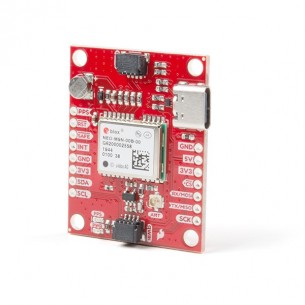
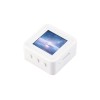
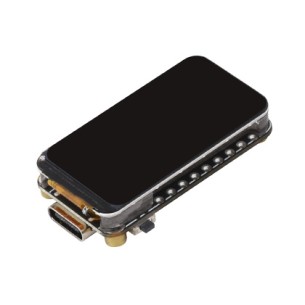
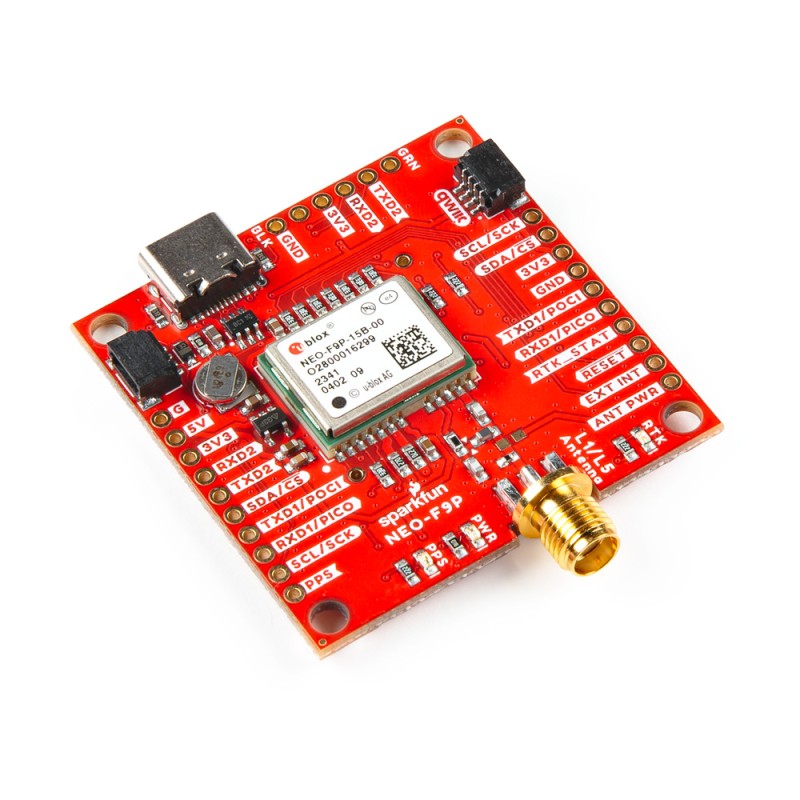
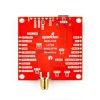
Module with NEO-F9P GNSS receiver. It allows you to track signals from several satellite systems, including GPS, GLONASS, Galileo and Beidou, and offers accuracy of up to 10 mm using an RTK base station. It offers five communication ports: USB type C, UART1, UART2 for RTCM, I2C and SPI reception and Qwiic connectors. SparkFun GPS-23288
GNSS-RTK L1/L5 Breakout is an advanced GNSS board designed for the highest precision and versatility. Unlike standard solutions based on L1/L2 bands, the NEO-F9P model uses L1/L5 bands, which translates into excellent performance even in difficult urban conditions. L5 signals are protected from RF interference, ensuring more reliable and precise localization.
The heart of the module is the powerful u-blox F9 GNSS receiver with 184 channels, capable of receiving signals from GPS, GLONASS, Galileo and BeiDou systems with an accuracy of only 10 mm. The module enables simultaneous reception of four GNSS systems and has a field measurement mode that allows it to function as a base station generating RTCM 3.x correction data. To ensure operational continuity and quick start, a battery has been added to the board to store the module configuration and satellite data for up to two weeks. This solution reduces the initialization time from a cold start from 27 s to 3 s. Moreover, NEO-F9P offers as many as five communication ports: USB type C, UART1, UART2 for RTCM reception, I2C and SPI. Using the Qwiic system, you can connect the module to the base board. 2.54 mm standard pins are also available, ideal for connecting to prototype boards.
Configuring u-blox-based GPS products is simple with u-center for Windows. In the SparkFun Arduino library you will find examples of using the full potential of the NEO-F9P, from changing the transmission speed to geosecurity.
Attention!
This product requires an antenna.
Manufacturer
Responsible person
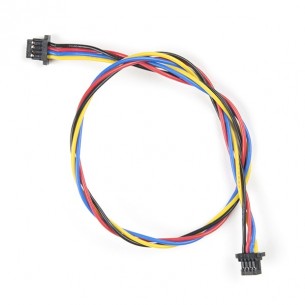
Flexible 4-core cable, 200 mm long, terminated on both sides with a Qwiic plug. Sparkfun PRT-17258
No product available!
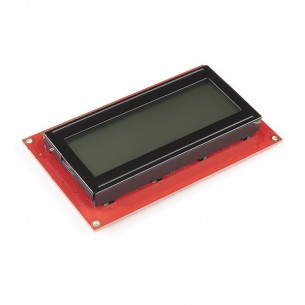
Module with 20x4 characters LCD display and ATMega328p microcontroller. The user can communicate with the module through one of the serial interfaces: UART, I2C or SPI. SparkFun LCD-16398
No product available!
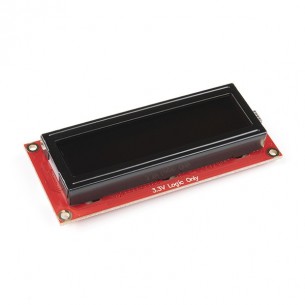
Module with 16x2 characters LCD display and ATMega328p microcontroller. The user can communicate with the module through one of the serial interfaces: UART, I2C or SPI. SparkFun LCD-16397
No product available!
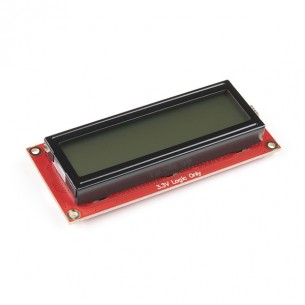
Module with 16x2 characters LCD display and ATMega328p microcontroller. The user can communicate with the module through one of the serial interfaces: UART, I2C or SPI. SparkFun LCD-16396
GPS module with NEO-M9N 92-channel GNSS receiver. The system can receive data from all major positioning systems: GPS, GLONASS, Galileo and BeiDou. It has UART, I2C and SPI interfaces. SparkFun GPS-15712
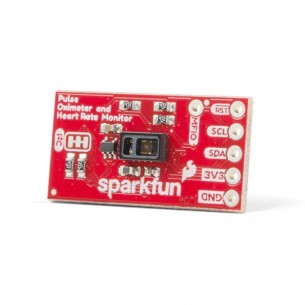
Heart rate monitor module based on the popular MAX30101 and MAX32664. The board is equipped with connectors compliant with the Qwiic standard. SparkFun SEN-15219
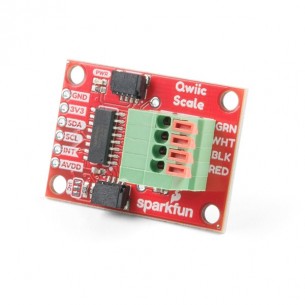
Module with 24-bit ADC NAU7802 converter. It enables reading data from strain gauges and scales. I2C interface. SparkFun SEN-15242
No product available!
GPS module with NEO-M9N 92-channel GNSS receiver. The system can receive data from all major positioning systems: GPS, GLONASS, Galileo and BeiDou. It has UART, I2C and SPI interfaces. SparkFun GPS-15733
No product available!
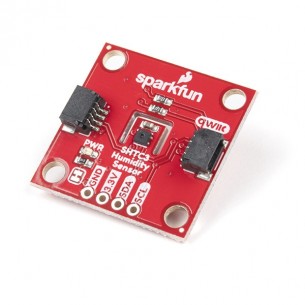
Module with a digital temperature and humidity sensor based on the SHTC3 system. Communication takes place via the I2C interface. SparkFun SEN-16467
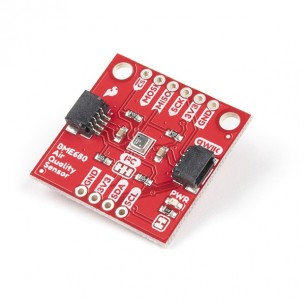
Module with BME680 sensor for measuring environmental conditions such as concentration of volatile organic compounds (VOC), atmospheric pressure, temperature and humidity. I2C or SPI communication. SparkFun SEN-16466
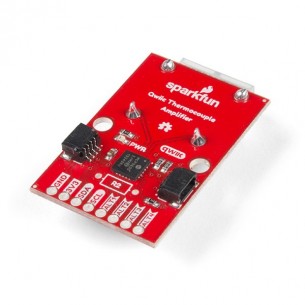
Module with the MCP9600 amplifier designed to work with a K-type thermocouple. The module has a PCC connector for connecting this type of thermocouple. I2C communication. SparkFun SEN-16294
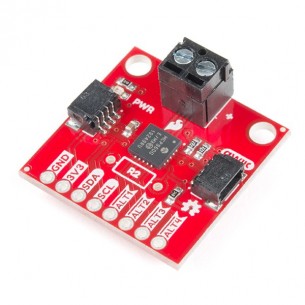
Module with the MCP9600 amplifier designed to work with a K-type thermocouple. The module has a screw connector for connecting this type of thermocouple. I2C communication. SparkFun SEN-16295
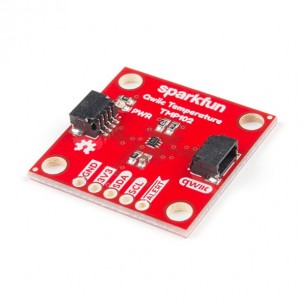
Module with digital temperature sensor TMP102. It enables temperature measurement in the range from –40°C to 125°C with an accuracy of 0.5°C. The system communicates via the I2C interface. SparkFun SEN-16304
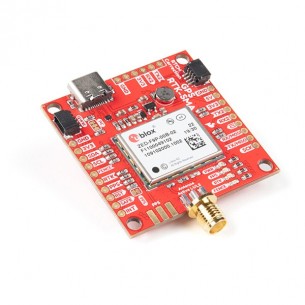
GPS module with GNSS receiver ZED-F9P. It can receive data from GPS, GLONASS, Galileo and BeiDou systems. It has USB, UART, I2C and SPI interfaces. RTK and high accuracy up to 10 mm. SparkFun GPS-16481
No product available!
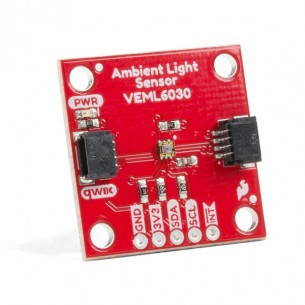
Module with an ambient light sensor VEML6030 with a measuring range up to 120,000 lx. It enables light measurement with 16-bit resolution. I2C communication. SparkFun SEN-15436
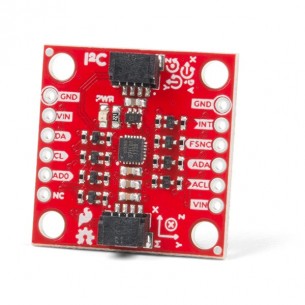
Module with 9-axis IMU ICM-20948 sensor. The chip is an integrated 3-axis accelerometer, gyroscope and magnetometer and a digital motion processor DMP (Digital Motion Processor). Communication via I2C or SPI. SparkFun SEN-15335
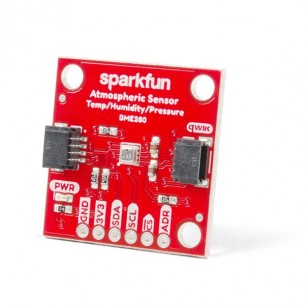
Module with BME280 environmental sensor. It allows you to measure temperature, humidity and pressure. The sensor is equipped with two communication interfaces: SPI and I2C (Qwiic). SparkFun SEN-15440
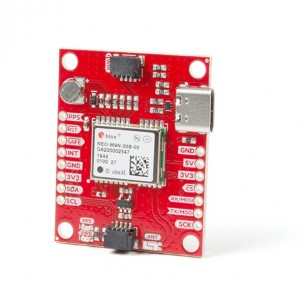
Module with NEO-F9P GNSS receiver. It allows you to track signals from several satellite systems, including GPS, GLONASS, Galileo and Beidou, and offers accuracy of up to 10 mm using an RTK base station. It offers five communication ports: USB type C, UART1, UART2 for RTCM, I2C and SPI reception and Qwiic connectors. SparkFun GPS-23288