.png)





zł62.48 tax excl.
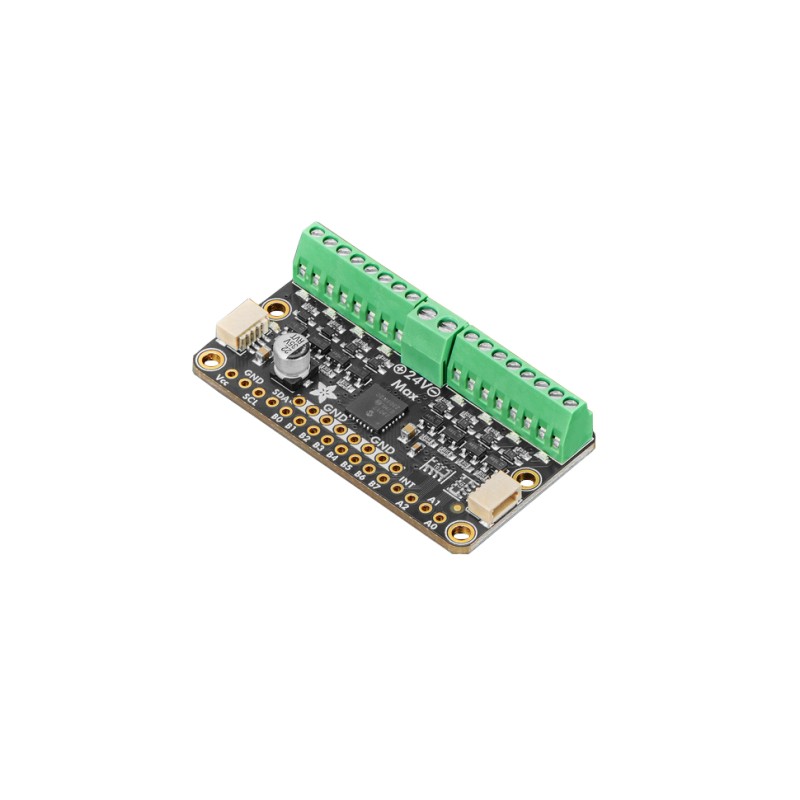
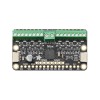
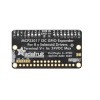
8-channel solenoid driver controlled via I2C. Compatible with 3V/5V logic, features STEMMA QT / Qwiic connectors. Adafruit 6318
The Adafruit I2C to 8-Channel Solenoid Driver module enables easy control of up to 8 solenoid actuators via the I2C bus. It features an MCP23017 GPIO expander and supports supply voltages from 3 V to 24 V. Each solenoid channel is driven by an AO3406 MOSFET and protected with a flyback diode. Since the expander provides 16 GPIO pins, the module also offers Port B with eight general-purpose pins for additional use.
The board includes three jumpers (A0–A2) for setting one of eight I2C addresses, allowing the system to be expanded to control up to 64 solenoids. Communication is handled through STEMMA QT / Qwiic connectors for easy, solder-free connection. The driver can be powered and controlled with either 3 V or 5 V logic, making it compatible with both Arduino and Raspberry Pi.
Manufacturer
Responsible person
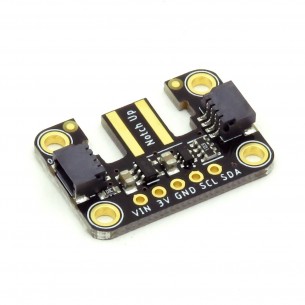
Adapter dedicated to the Nintendo Wii Nunchuck. It allows you to connect the controller to the development board via the I2C interface. Adafruit 4836
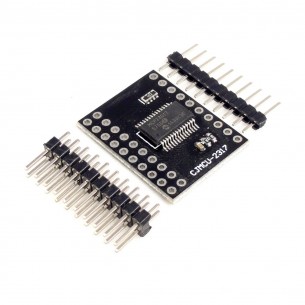
Module with 16-channel I/O ports expander controlled by the I2C interface. It was based on the MCP23017 chip
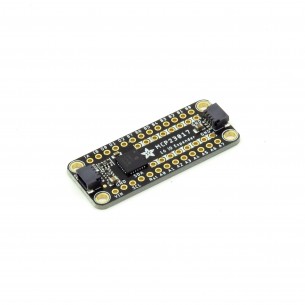
Module with 16-channel IO expander MCP23017 controlled by the I2C interface. Equipped with a STEMMA QT connector. Adafruit 5346
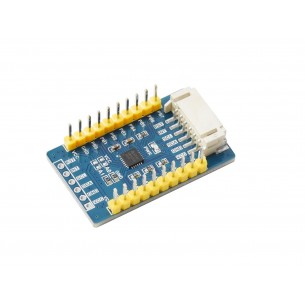
Module with a 16-channel GPIO expander with the ability to control LEDs. It communicates via the I2C interface. Waveshare AW9523B IO Expansion Board
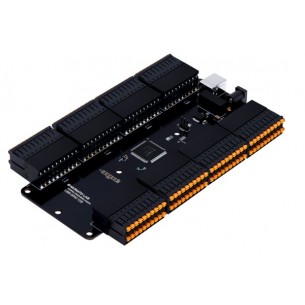
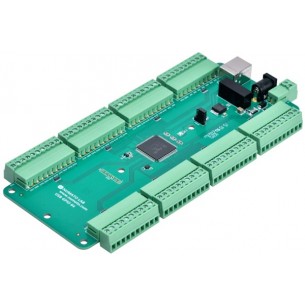
128-channel IO expander with 32 analog inputs. It communicates via the USB interface. Numato Lab GP1280001
No product available!
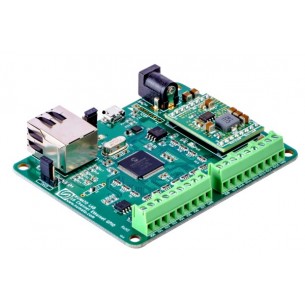
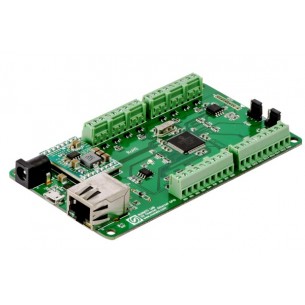
16-channel IO expander with 10 analog inputs. The board communicates via the Ethernet interface. Numato Lab GPETH160001
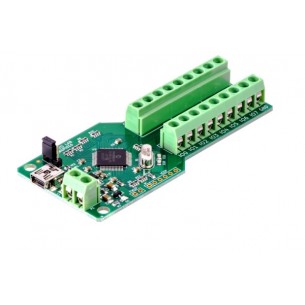
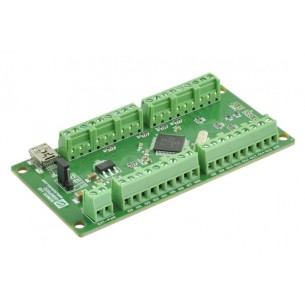
16-channel IO expander with 7 analog inputs. It communicates via the USB interface. Numato Lab GP160001
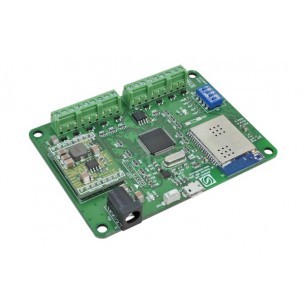
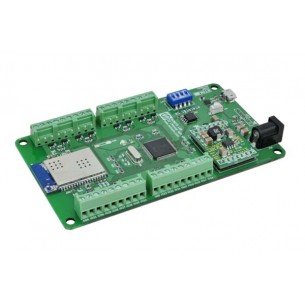
16-channel IO expander with 14 analog inputs. Communicates via the WiFi wireless interface. Numato Lab GPWIFI160001
No product available!
32-channel IO expander with 14 analog inputs. The board communicates via the Ethernet interface. Numato Lab GPETH320001
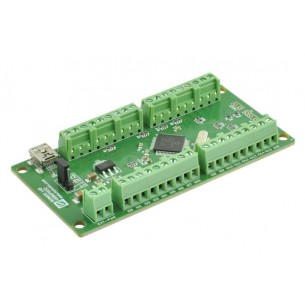
32-channel IO expander with 7 analog inputs. It communicates via the USB interface. Numato Lab GP320001
32-channel IO expander with 7 analog inputs. It communicates via the USB interface. Enclosure included. Numato Lab GP320001E
32-channel IO expander with 14 analog inputs. Communicates via the WiFi wireless interface. Numato Lab GPWIFI320001
No product available!
64-channel IO expander with 32 analog inputs. It communicates via the USB interface. Numato Lab GP640001
No product available!
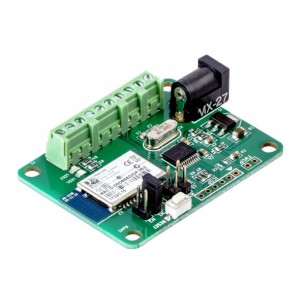
8-channel IO expander with 6 analog inputs. Communicates via the Bluetooth wireless interface. Numato Lab BTIO001X
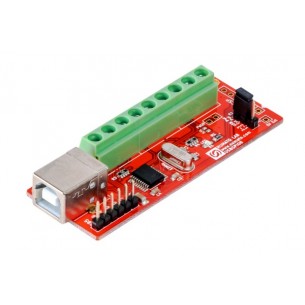
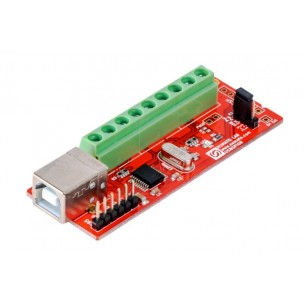
8-channel IO expander with 6 analog inputs. It communicates via the USB interface. Version without Pull-Up resistors. Numato Lab GP80001
8-channel IO expander with 6 analog inputs. It communicates via the USB interface. Version with Pull-Up resistors. Numato Lab GP80001P
No product available!
8-channel solenoid driver controlled via I2C. Compatible with 3V/5V logic, features STEMMA QT / Qwiic connectors. Adafruit 6318