






zł53.59 tax excl.
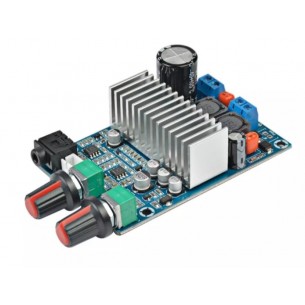
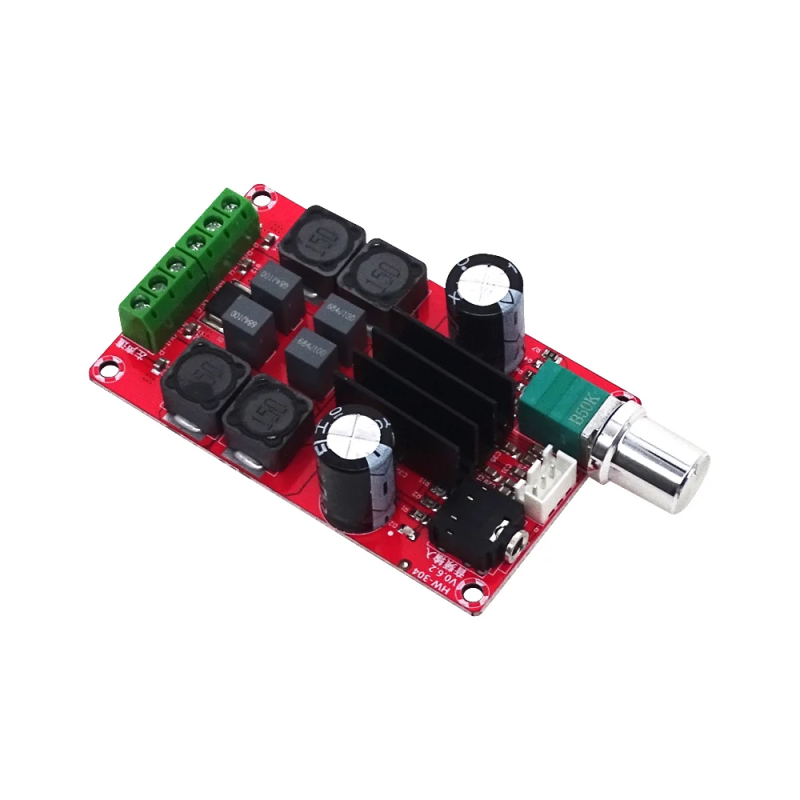
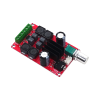
The TPA3116D2 amplifier module is a digital class D amplifier, offering 2x50W of power for stereo channels and 100W for the subwoofer, powered by 12V-24V. Thanks to the built-in NE5532 low-pass filter, it provides clean bass sound, and three potentiometers allow you to adjust the volume and cutoff frequency.
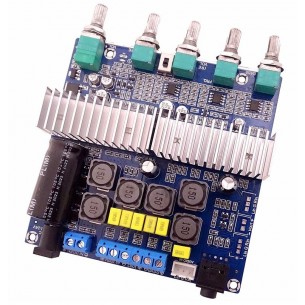
The TPA3116D2 amplifier module is a digital class D amplifier that offers an output power of 2x50W for stereo channels and up to 100W for the subwoofer. It is powered by a voltage in the range of 12V-24V, which makes it suitable for various applications, such as car and home audio systems. Thanks to the built-in NE5532 low-pass filter, the amplifier provides clean sound in low frequencies. The module has three potentiometers that allow you to adjust the volume of the stereo channels, subwoofer and cutoff frequency.
Manufacturer BTC Korporacja sp. z o. o. Lwowska 5 05-120 Legionowo Poland sprzedaz@kamami.pl 22 767 36 20
Responsible person BTC Korporacja sp. z o. o. Lwowska 5 05-120 Legionowo Poland sprzedaz@kamami.pl 22 767 36 20
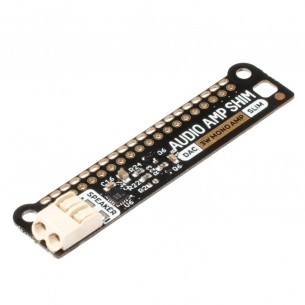
Audio module with DAC converter and mono amplifier, designed to work with the Raspberry Pi. Pimoroni PIM541
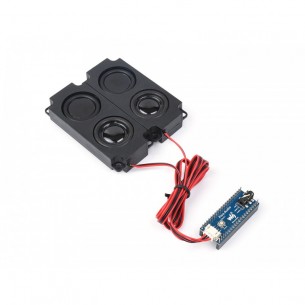
Audio module with speakers designed to work with the Raspberry Pi Pico. Waveshare Pico-Audio
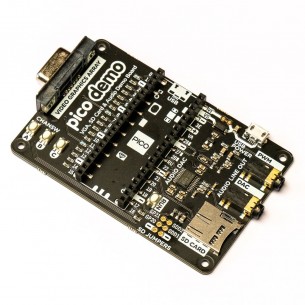
Expansion module with audio and video outputs dedicated to Raspberry Pi Pico boards. It has a VGA output, SD card slot, audio outputs and control buttons. Pimoroni PIM553
Audio amplifier module with three output channels. It can be powered with the voltage from 12 to 24 V and has two outputs with a power of 50 W (left and right) and one with a power of 100 W (bass)
No product available!
Audio amplifier based on the TPA3116 chip with a power of 100 W with an active low-pass filter. Dedicated to the bass column (subwoofer)
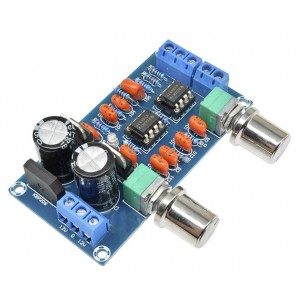
A module with an active low-pass filter based on NE5532 systems. Dedicated to the bass column (subwoofer)
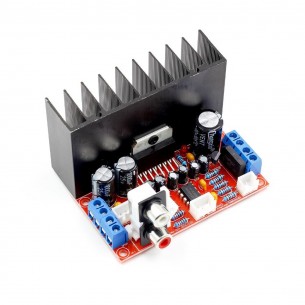
Audio amplifier module with three output channels. It can be powered with the voltage from 12 to 18 V and has two outputs with a power of 10 W (left and right) and one with a power of 20 W (bass)
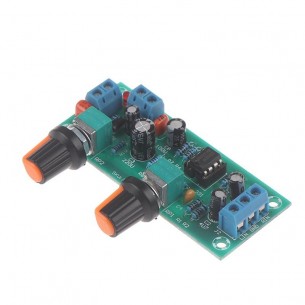
Module with active low-pass filter. Dedicated to the bass column (subwoofer)
80 W audio signal converter that reduces the speaker signal from the player to the level of RCA inputs. It allows you to connect to an external power amplifier. TSK TD-22
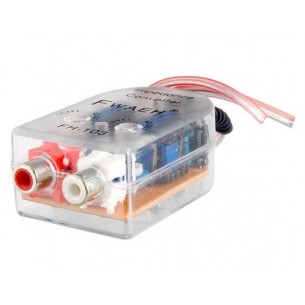
50 W audio signal converter that reduces the speaker signal from the player to the level of RCA inputs. It allows you to connect the radio to an external power amplifier. Fwaeh FH-103
No product available!
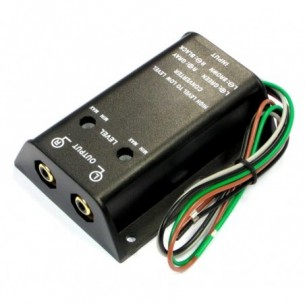
100 W audio signal converter that reduces the speaker signal from the player to the level of RCA inputs. It allows you to connect the radio to an external power amplifier
No product available!
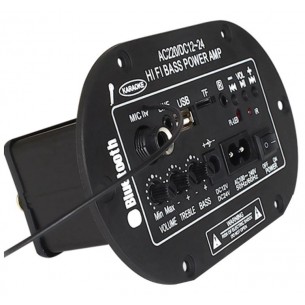
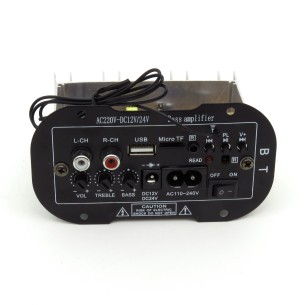
MP3 panel with a HiFi amplifier for installation in an audio device. It allows you to play files from USB memory, SD card, via AUX and Bluetooth. It has a built-in FM receiver
MP3 panel with a HiFi amplifier for installation in an audio device. It allows you to play files from USB memory, SD card, via the audio connector and Bluetooth. It has a built-in FM receiver
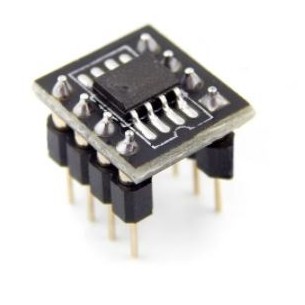
Module with two operational amplifiers OPA627
4-channel stereo audio mixer module. It has one output to which the summed signal from 4 inputs comes out. It is powered with the voltage from 5 to 12 V
No product available!
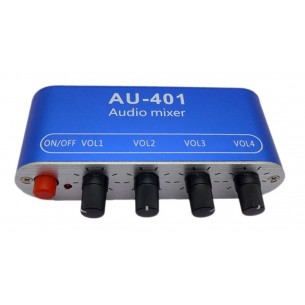
4-channel stereo audio mixer in a metal housing. It has one output, on which the summed signal from 4 inputs is available. It is powered with the voltage from 5 to 12 V.
The TPA3116D2 amplifier module is a digital class D amplifier, offering 2x50W of power for stereo channels and 100W for the subwoofer, powered by 12V-24V. Thanks to the built-in NE5532 low-pass filter, it provides clean bass sound, and three potentiometers allow you to adjust the volume and cutoff frequency.