.png)




- Out-of-Stock
Tomasz Boczar
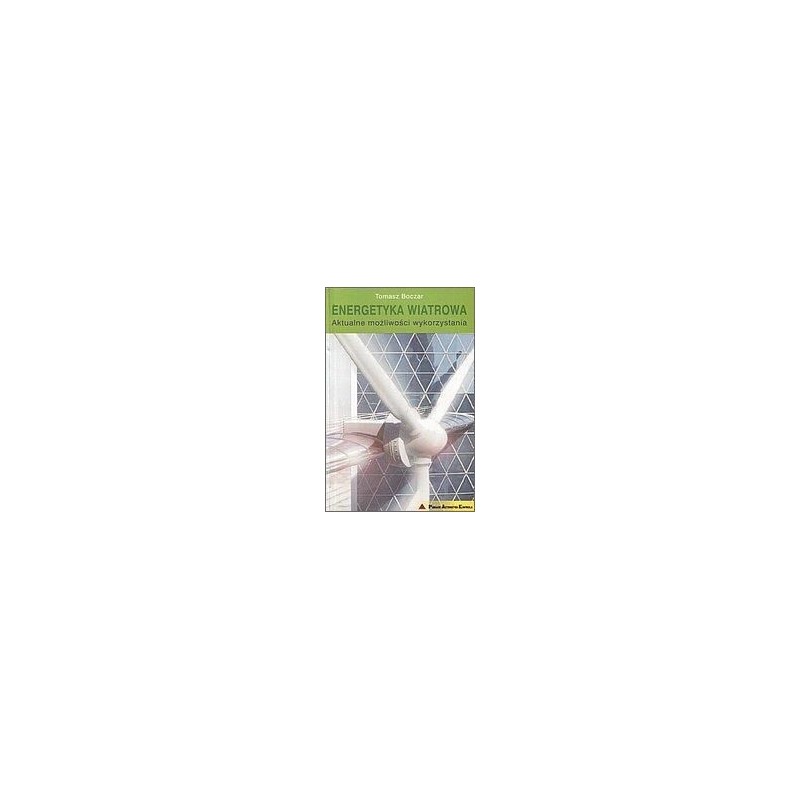
Title: Wind energy. Current use options
Publisher: PAK
Author: Tomasz Boczar
ISBN: 978-83-926319-8-9
Dimensions: B5
Binding: soft
Language: PL
Number of pages: 312
Publication year: 2008
Issue number: 2
About the book
The book presents a historical review of the use of wind energy by man, the state of wind energy in the world, European Union countries and in Poland, as well as the next prospects for the development of this branch of the economy. The issues are presented in technical, economic and ecological aspects. It is the result of the author's scrupulous search, analyzes and achievements in the field of renewable energy sources. The book is interesting, written in an accessible way, inspiring the imagination. Until recently, some of the solutions presented in it were only futuristic projects, and today they are large-scale usable devices. The text is illustrated with many colorful photographs and boards. For readers it will be a fascinating reading that is easy to read.
Brief table of contents
1. Introduction
2. The history of the use of wind energy
3. Possibilities of using wind energy in the countries of the European Union
3.1. Assumptions of the EU policy towards renewable energy sources
3.2. Resources and use of wind energy in European Union countries
3.3. Offshore wind farms
3.4. The EU's place in the global wind energy market
4. Possibilities of using wind energy in Poland
4.1. Strategy for the development of renewable energy sources in Poland
4.2. Wind energy resources in Poland
4.3. Wind farms in Poland
4.4. Major wind projects implemented in Poland in 2006
4.5. Planned wind projects in Poland in 2007
4.6. The development of wind energy in the area of the Opolskie Voivodeship
5. Examples of the latest solutions using wind energy
5.1. The use of wind energy to support the power of vessels
5.2. A vessel that produces hydrogen using wind energy
5.3. Navigational buoys
5.4. Floating wind turbines
5.5. Ecological cities of the future
5.5.1. Mega Pyramid City
5.5.2. Ekermino Dongtan
5.6. Ecological buildings
5.6.1. Freedom Tower in New York
5.6.2. Skyscraper X-Speed 4000
5.6.3. Skyscraper Sky City 1000
5.6.4. World Trade Center in Bahrain
5.6.5. HyperGreen Tower - skyscraper
5.6.6. Pearl River Tower
5.7. Flying platforms with wind generators
5.8. MARS system - flying wind turbines
5.9. Sky Sals kites
5.10. KiteGen system
5.11. Wind turbines with a vertical axis of rotation
5.12. Wind turbine with a vertical axis of the sailing type
5.13. Turbines equipped with a diffuser
5.14. Systems of small roof wind turbines
5.14.1. Swift wind turbine
5.14.2. Wind turbine of Polish production type SG-xx
5.14.3. Aeroturbiny
5.15. Multi-rotor turbines
5.16. Design by Oberholzer - Highway Divider Wind Turbines
5.17. Solar Tower installation
5.18. The use of wind energy in the colonization of planets
6. Economic aspects of the use of wind energy
7. Advantages and disadvantages of wind farms
8. Plans for the development of global wind energy
9. Summary
Annex 1 Evaluation of the noise level based on the results of the measurement of acoustic pressure generated by the wind turbine
Annex 2 Measurements of vibroacoustic vibrations of a wind turbine
Bibliography
No product available!
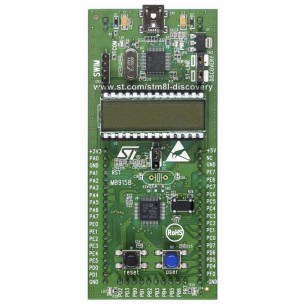
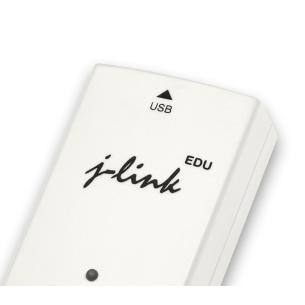
The STM8L-DISCOVERY kit with the STM8L152C6T6 microcontroller enables learning to operate ultra-low-power microcontrollers and rapid prototyping of applications. The built-in ST-Link and LCD display make the board a complete tool for developing and testing projects based on STM8L.
No product available!
No product available!
No product available!
No product available!
No product available!
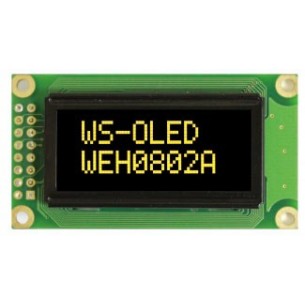
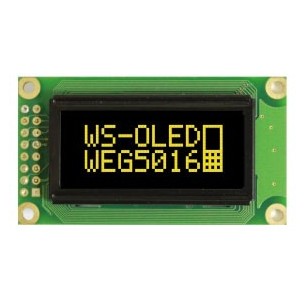
8x2 Character OLED Display, 58x32, Negative Black Surface, Yellow Dot, 5V, RoHS
No product available!
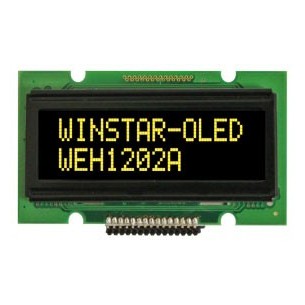
12x2 Character OLED Display, 56x32, Negative Black Surface, Yellow Dot, 5V, RoHS
No product available!
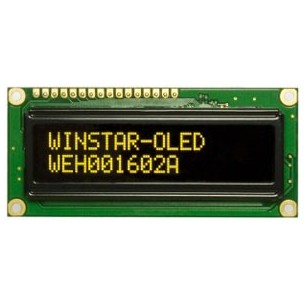
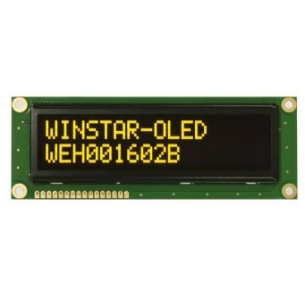
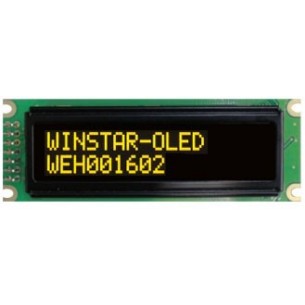
16x2 Character OLED Display, 80x36, Negative Black Surface, Amber Dot, RoHS
No product available!
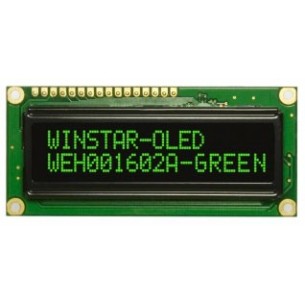
16x2 Character OLED Display, 80x36, Negative Black Surface, Green Dot, 5V, RoHS
No product available!
No product available!
No product available!
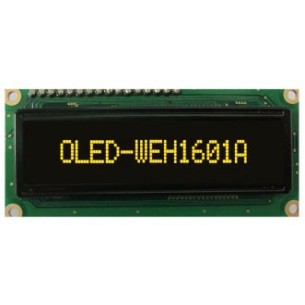
16x1 Character OLED Display, 80x36, Negative Black Surface, Yellow Dot, 5V, RoHS
No product available!
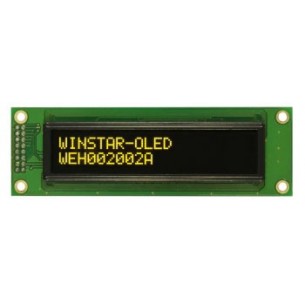
20x2 Character OLED Display, 116x37, Negative Black Surface, Yellow Dot, 5V, RoHS
No product available!
No product available!
50x16 Graphic OLED Display, 58x32mm, Negative Black Surface, Yellow Dot, 5V, RoHS
No product available!
Tomasz Boczar