.png)





zł24.30 tax excl.
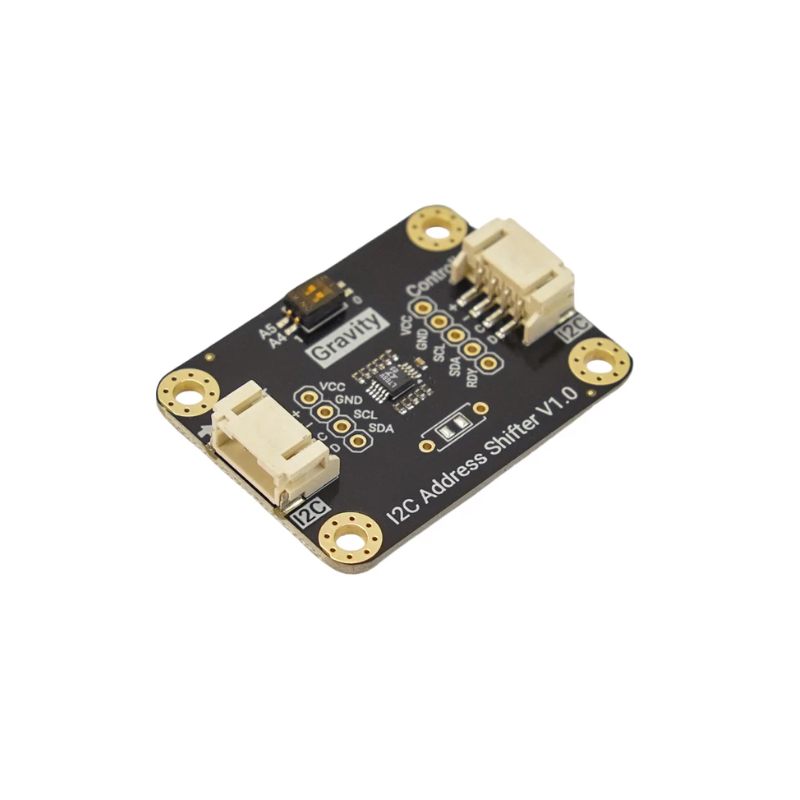
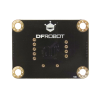
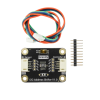
DFRobot DFR1193 module with the LTC4316 chip enables the simultaneous use of multiple identical I2C sensors without address conflicts. It supports quick configuration via DIP switches or resistors, offering a flexible and reliable solution for IoT, robotics, and automation projects.
The DFRobot DFR1193 module with the LTC4316 chip allows changing the I2C address of peripheral devices, enabling identical sensors to operate simultaneously on a single I2C bus. It is enough to place it between the main board (e.g., Arduino Uno R3, Raspberry Pi 4) and the sensor to avoid address conflicts without modifying the program code. DIP switches allow quick selection of one of four addresses, and additional addresses can be configured by soldering resistors. The compact design facilitates integration in systems with limited space, especially in IoT, industrial automation, and robotics projects.
Manufacturer
Responsible person
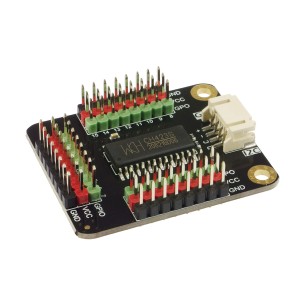
A 24-channel input/output port expander module controlled by an I2C interface. It was based on the CH423 chip and equipped with a Gravity connector. DFRobot DFR0979
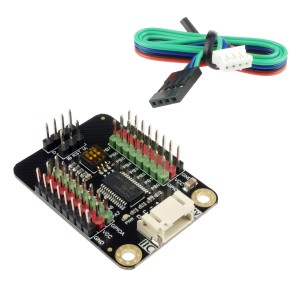
A module with a 16-channel input/output port expander controlled by an I2C interface. It was based on the MCP23017 chip and equipped with a Gravity connector. DFRobot DFR0626
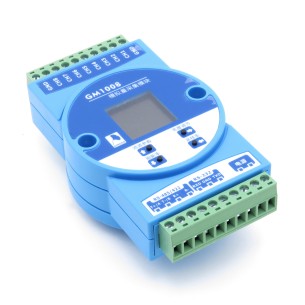
Module with 8 inputs for data acquisition from 0-24 mA analog current inputs. It communicates via RS485 interface and supports Modbus RTU protocol. The board is enclosed in an industrial enclosure. GM1008
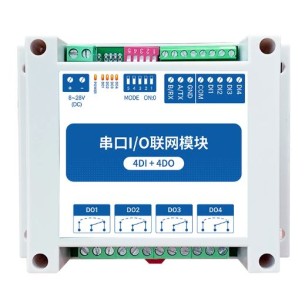
Module with 4 digital inputs and 4 digital outputs. It communicates via RS485 interface and supports Modbus RTU protocol. The board is enclosed in an industrial enclosure. MA01-AXCX4040
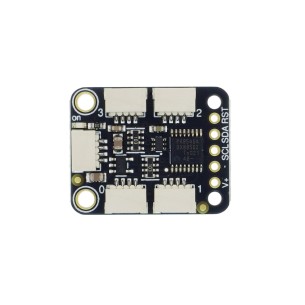
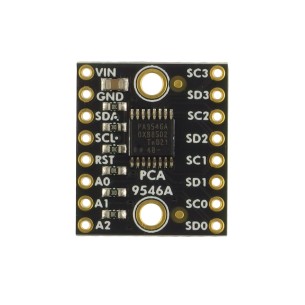
An 4-channel I2C expander module, which is based on the TCA9546A chip. It allows connecting several devices with the same address to a single I2C interface. Adafruit 5664
A 4-channel I2C expander module, which is based on the TCA9546A chip. It allows connecting several devices with the same address to a single I2C interface. Adafruit 5663
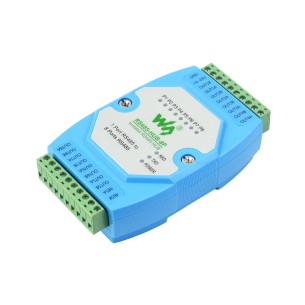
RS485 hub with DIN rail mounting capability. It is equipped with one RS485 input port and 8 RS485 output ports. Designed for communication within industrial networks. Waveshare RS485-HUB-8P
No product available!
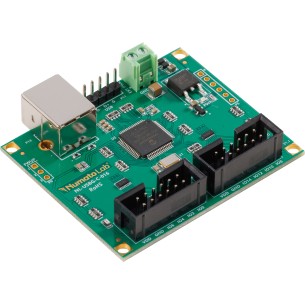
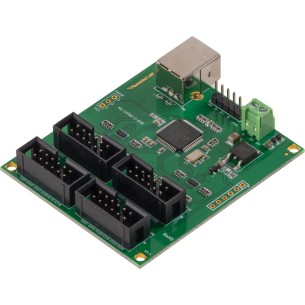
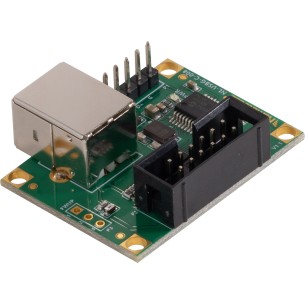
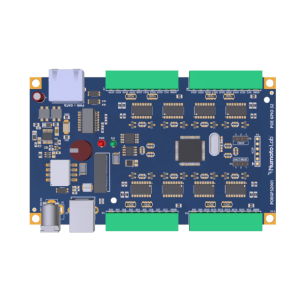
16-channel IO expander with 7 analog inputs with 10-bit resolution. Communicates via USB interface. It has compact dimensions, making it suitable for small devices. Version with connector at the top. Numato Lab GP160002
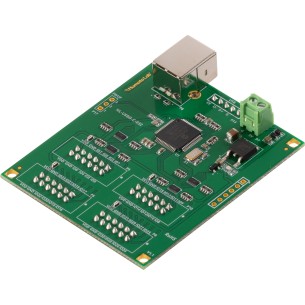
32-channel IO expander with 7 analog inputs with 10-bit resolution. Communicates via USB interface. It has compact dimensions, making it suitable for small devices. Version with connector on top. Numato Lab GP320002
No product available!
32-channel IO expander with 7 analog inputs with 10-bit resolution. Communicates via USB interface. It has compact dimensions, making it suitable for small devices. Version with connector at the bottom. Numato Lab GP320002-B
No product available!
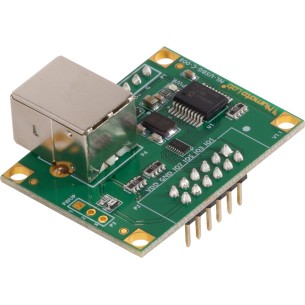
8-channel IO expander with 6 analog inputs with 10-bit resolution. Communicates via USB interface. It has compact dimensions, making it suitable for small devices. Numato Lab GP80002
No product available!
8-channel IO expander with 6 analog inputs with 10-bit resolution. Communicates via USB interface. It has compact dimensions, making it suitable for small devices. Numato Lab GP80002-B
No product available!
16-channel PoE GPI/GPO module enabling connection of a PC to other electronic circuits via a network. It does not need a separate cable for power and data transmission. It can be controlled via a simple web interface or Telnet. Numato Lab NLGP1001-A
No product available!
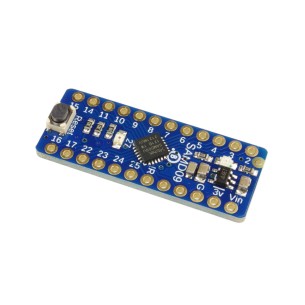
A versatile expander supported by the I2C interface, which significantly expands the capabilities of microcontrollers and microcomputers. It is based on the ATSAMD09 microcontroller and comes with default software that can be modified to suit the needs of the project. Adafruit 3657
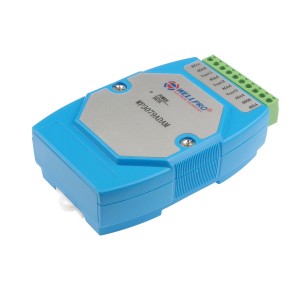
Module with three voltage analog outputs ranging from 0 to 10 V. It communicates via the RS485 interface and supports the Modbus RTU protocol. The board is enclosed in an industrial housing. Wellpro WP3079ADAM
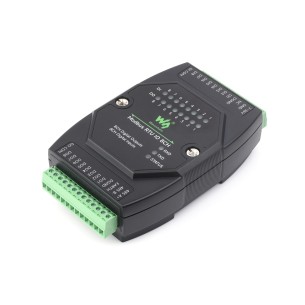
8-channel module with digital inputs/outputs with an operating voltage range from 5 to 36 V. It communicates via the RS485 interface and supports communication within the Modbus RTU protocol. The board is enclosed in a housing that can be mounted on an industrial rail. Waveshare Modbus RTU IO 8CH
No product available!
DFRobot DFR1193 module with the LTC4316 chip enables the simultaneous use of multiple identical I2C sensors without address conflicts. It supports quick configuration via DIP switches or resistors, offering a flexible and reliable solution for IoT, robotics, and automation projects.