.png)



zł194.31 tax excl.
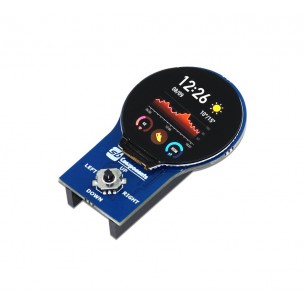
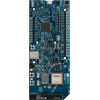
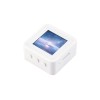
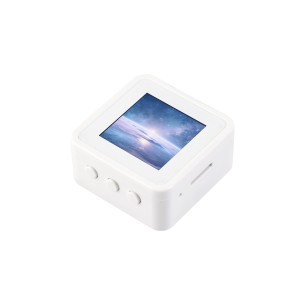
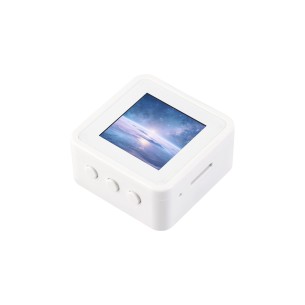
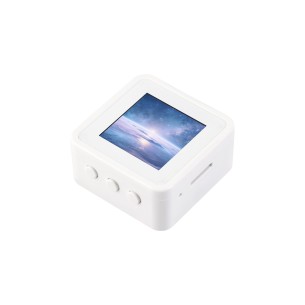
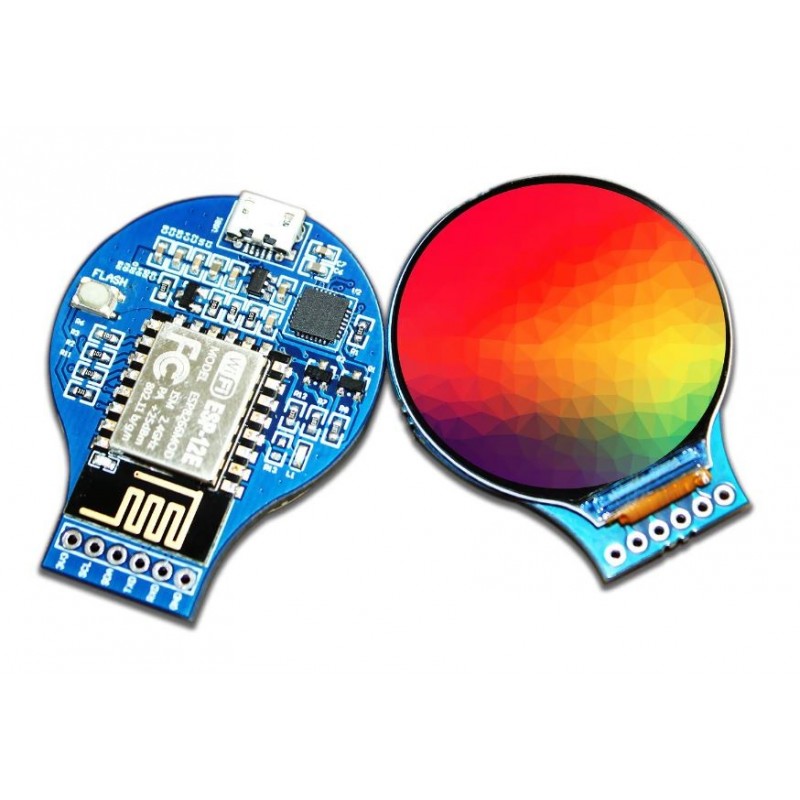
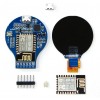
Module with round 1.28" IPS LCD display and 240x240 px resolution and ESP-12E chip. SB Components 24025
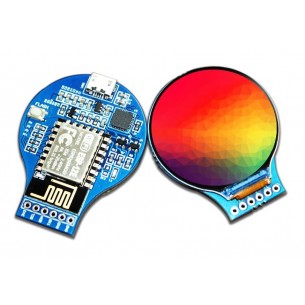
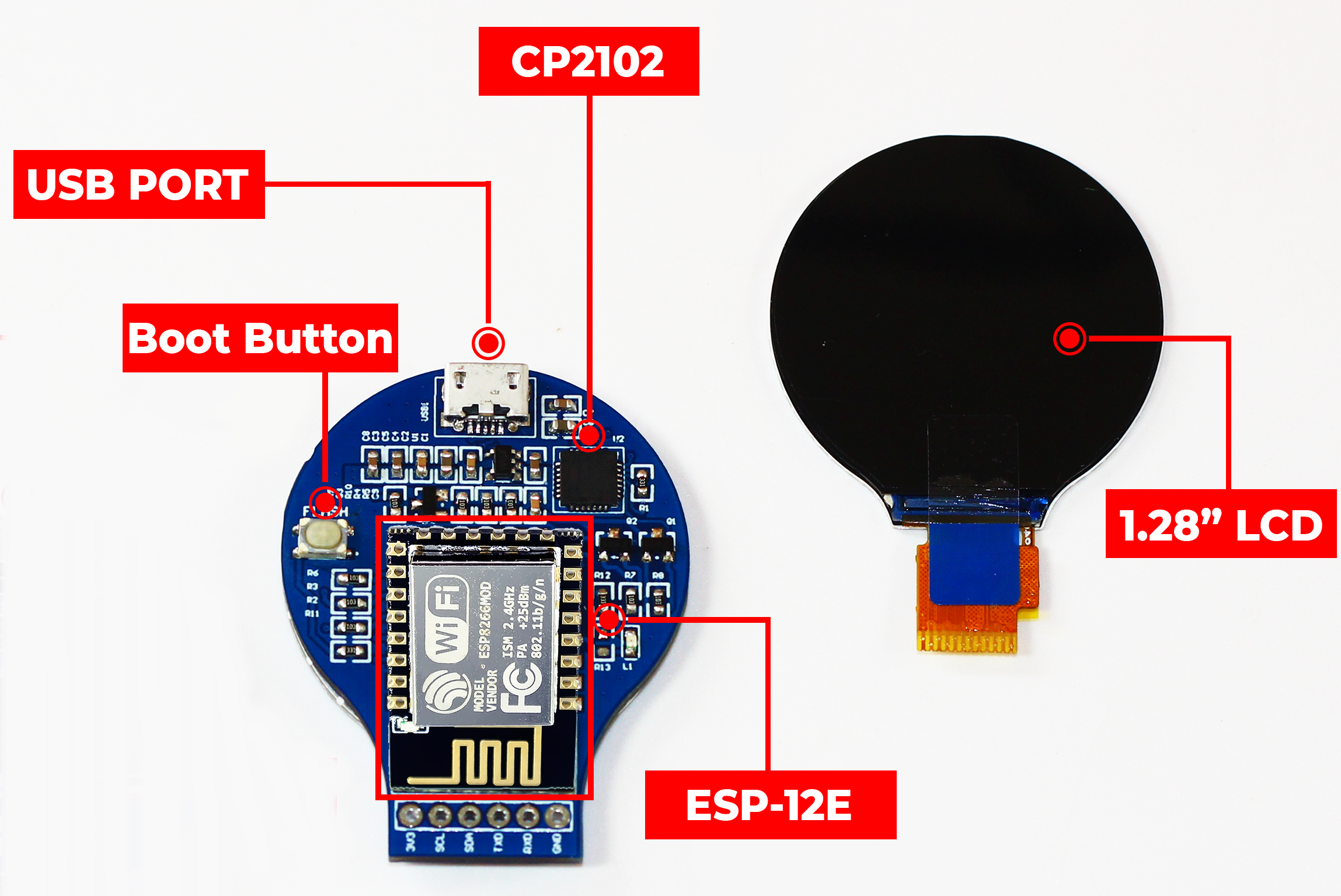
Module with round, color LCD 1.28" IPS display and 240x240 px resolution and ESP-12E chip with 802.11b/g/n Wi-Fi communication. The display has a built-in GC9A01 controller that communicates via the SPI interface. It can display content in a full range of 65K colors The ESP-12E module is programmed via a microUSB connector and a built-in CP2102 USB-UART converter.
Manufacturer
Responsible person
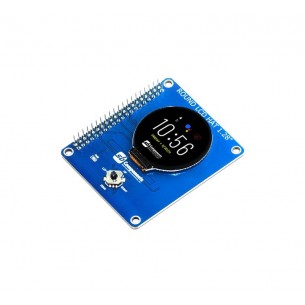
Module with a round 1.28" IPS LCD display and a resolution of 240x240 px. Communication is via the SPI interface. SB Components 21697
Module with a round 1.28" IPS LCD display and a resolution of 240x240 px. Communication is via the SPI interface. SB Components 21451
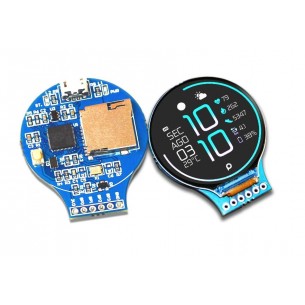
Module with round 1.28" IPS LCD display and 240x240 px resolution and RP2040 chip. SB Components 24018
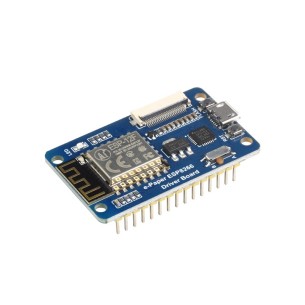
E-Paper ESP8266 Driver Board is a universal driver board for e-Paper displays. The board is based on the WiFi ESP8266 module. e-Paper ESP8266 Driver Board
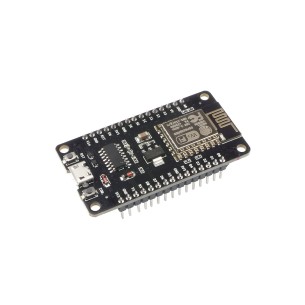
LoLin NodeMCU V3 is a board with ESP8266 (ESP12E). The ESP8266 system provides WiFi connectivity (802.11 b / g / n). The USB-UART converter (CH340G chip) is located on the board. The module can be programmed in Lua (under the control of the NodeMCU firmware) or in the Arduino environment. There are 10 GPIO lines available.
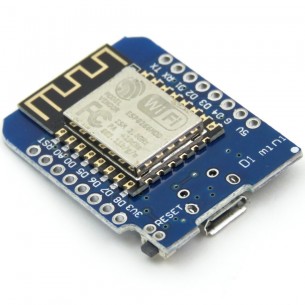
Development board D1 Mini with WiFi module ESP-8266MOD and 4 MB Flash memory. The module can be programmed from the Arduino IDE level. WeMos D1 Mini
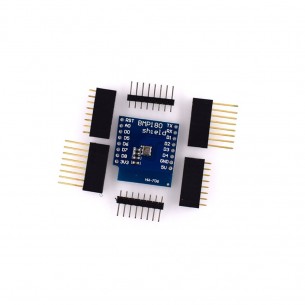
BMP180 temperature / pressure sensor module compatible with WeMos D1 mini board.
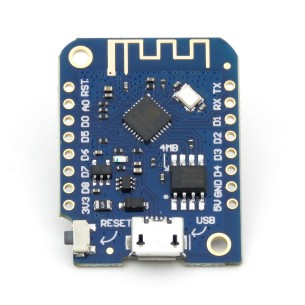
Development board D1 Mini V3 with WiFi module ESP-8266 and 4 MB Flash memory. The module can be programmed from the Arduino IDE level. WeMos D1 Mini V3.x
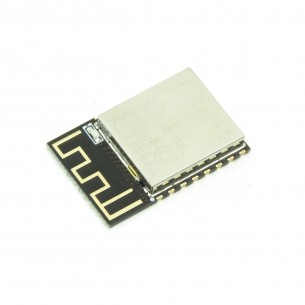
WiFi module developed by AI-Thinker Co., Ltd with ESP8266 processor. Integrates a 32-bit MCU microcontroller with 80 MHz clock, RTOS support, Wi-Fi and antenna. The module supports the IEEE802.11 b / g / ni standard and has a complete TCP / IP protocol stack. AI-Thinker ESP-12S
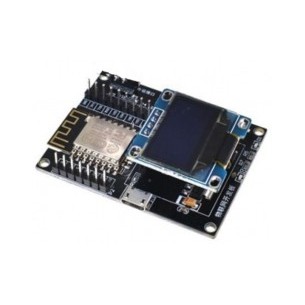
Development kit with WiFi / Bluetooth module ESP8266 and 0.96 "OLED display.
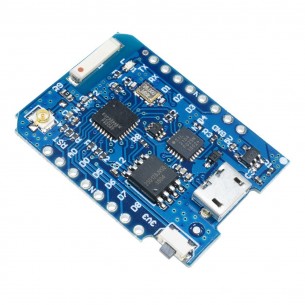
Development board D1 Mini Pro with WiFi ESP8266 module and 16 MB Flash memory, equipped with ceramic antenna and external antenna connector. The module can be programmed from the Arduino IDE level. WeMos D1 Mini Pro
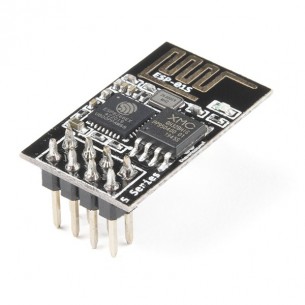
WiFi 802.11 b/g/n module with ESP8266 chip, there are 8 pins with UART and GPIO interface. Built-in PCB antenna. SparkFun WRL-17146
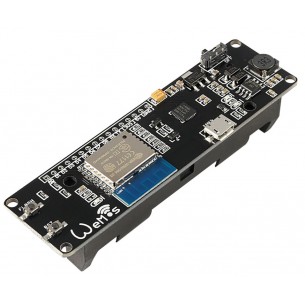
Development board with the ESP-WROOM-02 WiFi module. The board has a USB-UART converter, a basket for a Li-Ion 18650 battery and a charging circuit
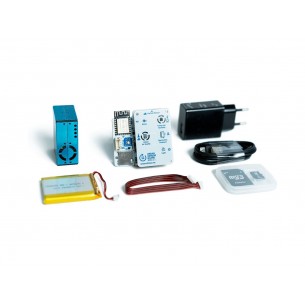
A set with environmental sensors that allows you to measure air pollution and noise and visualize data on a dedicated platform. Seeed Studio 102110258
No product available!
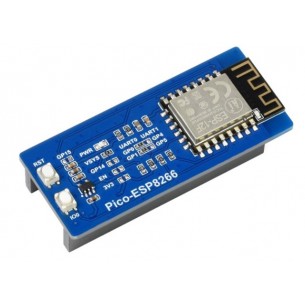
WiFi module with ESP8266 designed to work with the Raspberry Pi Pico. It communicates via the UART interface using AT commands. Waveshare Pico-ESP8266
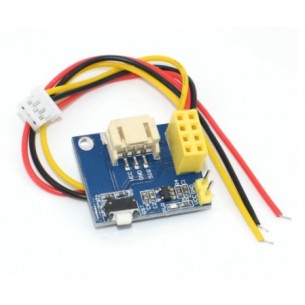
Adapter for ESP8266 modules dedicated to control addressable RGB LEDs from the WS2812 series
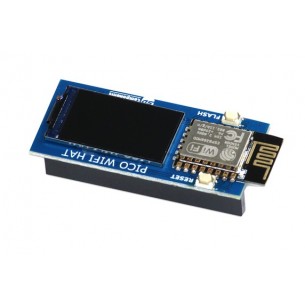
WiFi module with ESP8266 and 1.14" display, designed to work with Raspberry Pi Pico. It communicates via UART interface using AT commands. SB Components 21888
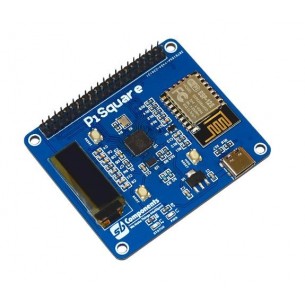
Development board with RP2040 and ESP-12E microcontroller. Equipped with 0.91" OLED display. SB Components 24186
Module with round 1.28" IPS LCD display and 240x240 px resolution and ESP-12E chip. SB Components 24025
Module with round 1.28" IPS LCD display and 240x240 px resolution and ESP-12E chip. SB Components 24025