.png)



zł47.89 tax excl.
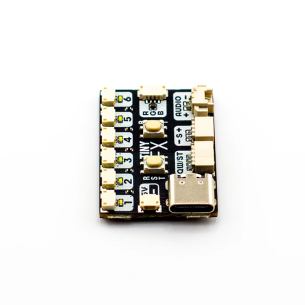
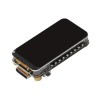
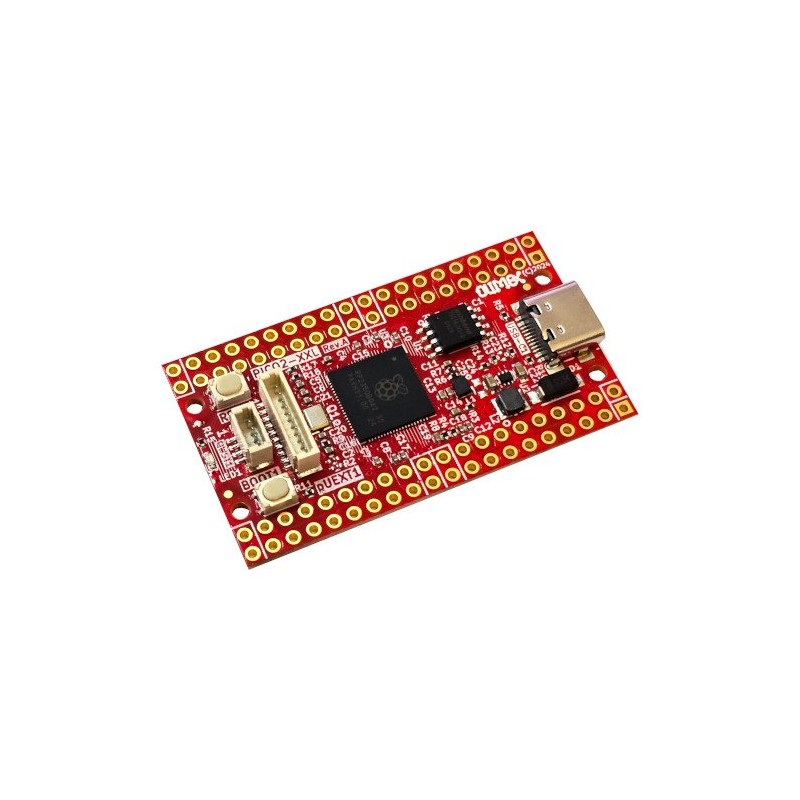
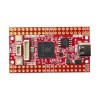
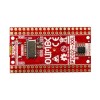
An enhanced version of the Raspberry Pi Pico 2 with access to all 48 GPIO pins and an RP2350B microcontroller (Cortex-M33 or RISC-V) clocked at up to 150 MHz. It offers 16 MB of Flash, 8 MB of RAM, and a microSD card reader, making it ideal for complex embedded and IoT projects. With USB-C, Qwiic/Stemma Qt, UEXT connectors, and BOOT/RESET buttons, it offers high flexibility and easy integration with peripherals. Olimex RP2350-PICO2-XXL
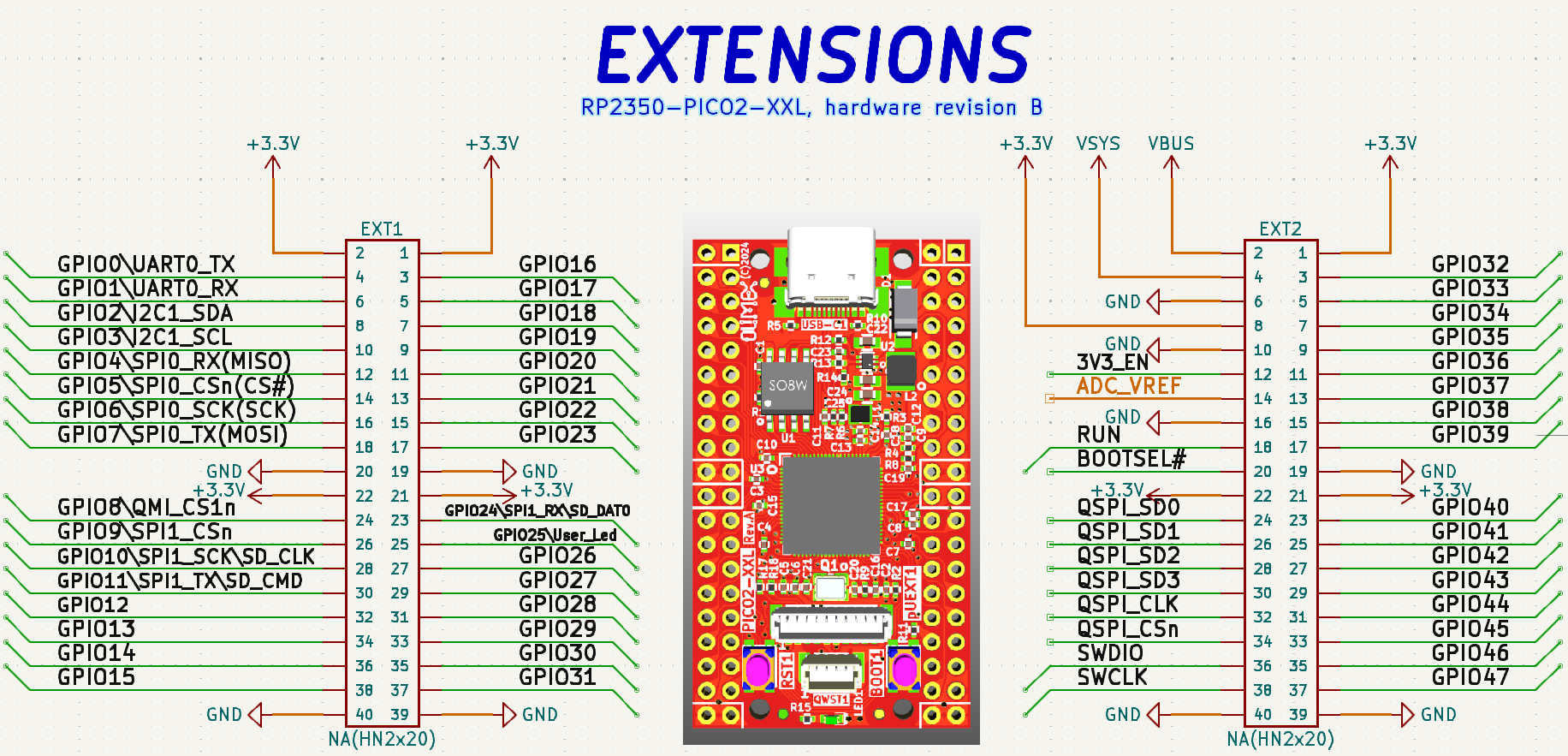
RP2350-PICO2-XXL is an enhanced version of the popular "Raspberry Pi Pico 2" development board, offering significantly more capabilities and access to all 48 GPIO pins. It features a powerful RP2350B microcontroller with dual cores (Cortex-M33 or RISC-V) running at up to 150 MHz, delivering high performance for embedded and IoT applications. The XXL version is upgraded with 16 MB of Flash memory and 8 MB of PSRAM, making it ideal for more complex projects. Additionally, the board includes a microSD card reader for easy external data storage. With USB-C, Qwiic/Stemma, and UEXT connectors, peripherals can be connected quickly and conveniently. The board also includes BOOT and RESET buttons, along with an onboard status LED indicator. It's a perfect platform for embedded system designers, hobbyists, and device developers who need maximum GPIO access and expanded memory capacity.
Data sheet
Manufacturer
Responsible person
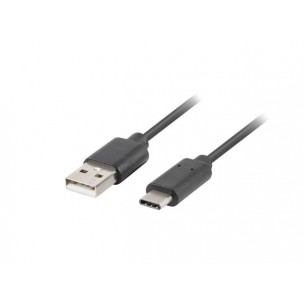
Cable with USB typ A and USB typ C connectors, cable length 0.5 m. LANBERG
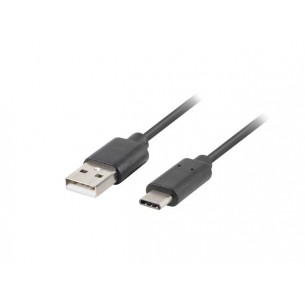
Cable with USB typ A and USB typ C connectors, cable length 1 m. LANBERG CA-USBO-10CC-0010-BK
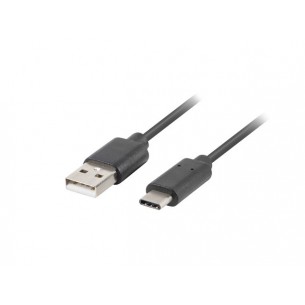
Cable with USB typ A and USB typ C connectors, cable length 1,8 m. LANBERG CA-USBO-10CC-0018-BK
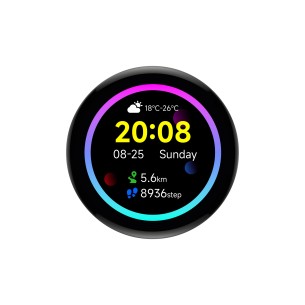
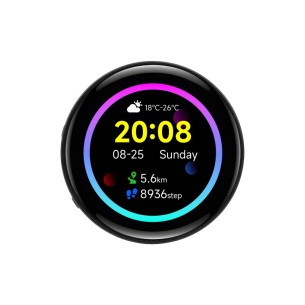
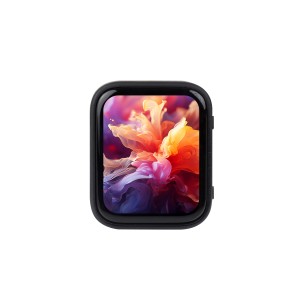
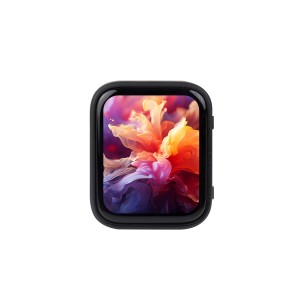
RP2350-Touch-AMOLED-1.43 is a high-performance platform for building modern user interfaces in mobile, wearable, and control system projects. The high-contrast AMOLED display and capacitive touch, combined with an IMU sensor and RTC, provide a comprehensive development environment for applications requiring advanced interaction and mobility.
RP2350-Touch-AMOLED-1.43-B is a compact development board with an AMOLED display and capacitive touch, enclosed in a robust CNC-machined case. Integrated sensors and interfaces offer extensive expansion and application possibilities in HMI projects, wearable electronics, and smart control systems. Support for C/C++, MicroPython, and Arduino IDE, along with rich SDK resources, facilitates rapid project deployment.
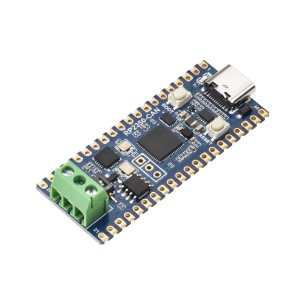
Waveshare RP2350-CAN is a compact development board with CAN bus support, featuring the RP2350A microcontroller with a dual Arm/RISC-V architecture. It is used in communication systems, industrial automation, and as an educational platform, offering full compatibility with Raspberry Pi Pico.
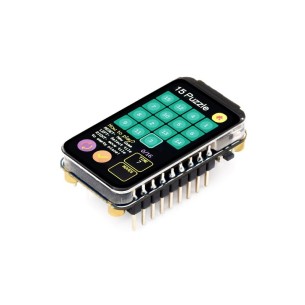
RP2350-LCD-1.47-A-M is an integrated development platform with a USB Type-C port and pre-soldered headers, enabling the creation and testing of applications based on the modern RP2350A microcontroller. Featuring an LCD display, large memory capacity, and the ability to choose between ARM and RISC-V architectures, the module is suitable for educational projects, embedded systems, and IoT solutions.
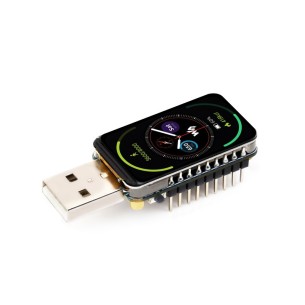
RP2350-LCD-1.47-B-M is an advanced yet compact development board designed to work with the RP2350A microcontroller. The integrated LCD display, USB Type-A port, TF card slot, and pre-soldered headers facilitate quick setup and easy integration into various projects. The dual architecture (ARM and RISC-V) provides great flexibility for learning and testing embedded applications, control systems, and IoT devices.
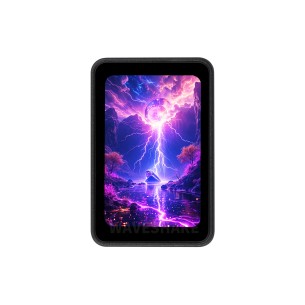
RP2350-Touch-AMOLED-1.8 is a compact board with a touchscreen AMOLED display, an RP2350A microcontroller, and a rich set of peripheral features. It enables rapid development of modern interactive devices with a graphical interface, sensor support, and audio, ideal for educational and embedded applications.
RP2350-Touch-AMOLED-1.8 with battery is an advanced development board with an AMOLED display, touch support, motion sensors, audio, and a wide range of interfaces. Designed for mobile and embedded applications, it enables the creation of compact interactive devices with full open-source support.
RP2350-Touch-AMOLED-1.64-M is a compact board featuring the RP2350 microcontroller and an AMOLED display, equipped with touch input, motion sensors, and a full set of peripheral interfaces. Designed for modern mobile applications, HMI systems, and experiments with RISC-V and ARM architectures.
A module based on the RP2040 microcontroller that lets you build your own two-player arcade controller, supporting up to 30 buttons and two joysticks. When connected via USB-C, it is automatically detected as a standard game controller on PC, Mac and Linux. With DuPont, Qw/ST connectors and support for backlit Plasma buttons, assembly and expansion are quick and solderless. Pimoroni PIM741
No product available!
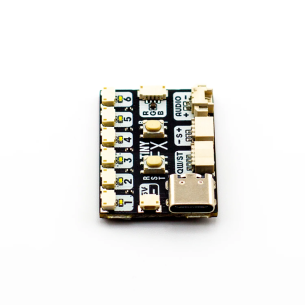
A compact, wireless light and sound effects controller based on the RP2040 microcontroller with a Raspberry Pi RM2 Wi-Fi and Bluetooth module. It allows you to control mono and RGB LEDs, create lighting animations, and play sound effects thanks to the built-in I2S audio amplifier. It supports sensors and modules via Qw/ST and JST-SH connectors, and effects can be triggered by motion, sound, or remotely over a network. The plug-and-play kit includes a full set of accessories (LED, speaker, PIR sensor, and power supply). Pimoroni PIM753
A compact, wireless light and sound effects controller based on the RP2040 microcontroller with a Raspberry Pi RM2 Wi-Fi and Bluetooth module. It allows you to control mono and RGB LEDs, create lighting animations, and play sound effects thanks to the built-in I2S audio amplifier. It supports sensors and modules via Qw/ST and JST-SH connectors, and effects can be triggered by motion, sound, or remotely over the network. Pimoroni PIM728
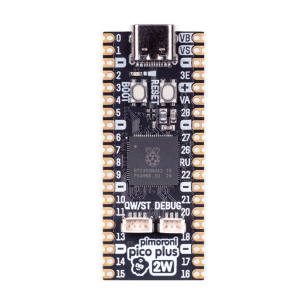
An advanced development board based on the modern RP2350 microcontroller, designed for demanding embedded projects, IoT, and prototyping. It maintains full compatibility with the Raspberry Pi Pico form factor while offering significantly higher performance thanks to a dual-core Arm Cortex-M33 processor and ample Flash and PSRAM. The built-in Raspberry Pi RM2 module provides 2.4 GHz Wi-Fi and Bluetooth connectivity, enabling easy integration with networks and cloud services. A USB-C connector, a Qw/ST interface for I²C modules, RESET and BOOT buttons, and a user LED make the Pico Plus 2W a convenient and versatile tool. Pimoroni PIM726
No product available!
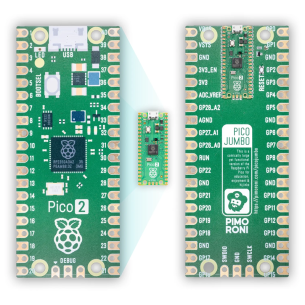
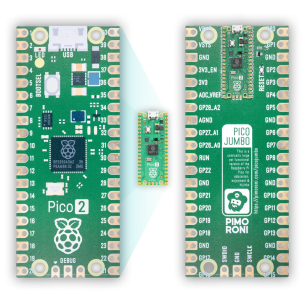
A scaled-up, fully functional version of the Raspberry Pi Pico 2, designed for learning, demonstrations, and educational workshops. The board is based on the modern RP2350 microcontroller with two Arm Cortex-M33 or RISC-V Hazard3 cores clocked at up to 150 MHz, 520 KB of SRAM, and 4 MB of Flash memory. Large pads and holes allow for solderless connection using alligator clips. The kit includes a full set of large components, making it ideal for STEM education. Pimoroni PIM748
No product available!
A scaled-up, fully functional version of the Raspberry Pi Pico 2, designed for learning, demonstrations, and educational workshops. The board is based on the modern RP2350 microcontroller with two Arm Cortex-M33 or RISC-V Hazard3 cores clocked at up to 150 MHz, 520 KB of SRAM, and 4 MB of Flash memory. Large pads and holes allow for solderless connection of components using alligator clips. Pimoroni PIM747
No product available!
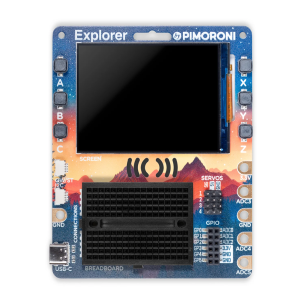
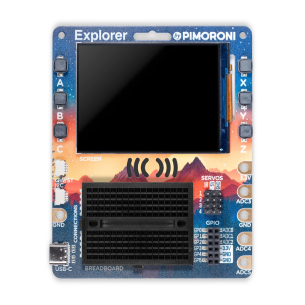
An educational platform based on the modern RP2350 microcontroller with two Arm Cortex-M33 cores up to 150 MHz, 520 KB of SRAM, and 16 MB of Flash memory. It features a 2.8" color IPS display with a resolution of 320 × 240 px, six user buttons, a piezo speaker, and a mini breadboard for solderless prototyping. Numerous GPIO pins, ADCs, servo connectors, alligator clips, and two Qw/ST ports enable quick connection of sensors and actuators. Pimoroni PIM744
No product available!
An educational platform based on the modern RP2350 microcontroller with two Arm Cortex-M33 cores up to 150 MHz, 520 KB of SRAM, and 16 MB of Flash memory. It features a 2.8" color IPS display with a resolution of 320 × 240 pixels, six user buttons, a piezo speaker, and a mini breadboard for solderless prototyping. Numerous GPIO, ADC, servo connectors, alligator clips, and two Qw/ST ports enable quick connection of sensors and actuators. Pimoroni PIM720
No product available!
An enhanced version of the Raspberry Pi Pico 2 with access to all 48 GPIO pins and an RP2350B microcontroller (Cortex-M33 or RISC-V) clocked at up to 150 MHz. It offers 16 MB of Flash, 8 MB of RAM, and a microSD card reader, making it ideal for complex embedded and IoT projects. With USB-C, Qwiic/Stemma Qt, UEXT connectors, and BOOT/RESET buttons, it offers high flexibility and easy integration with peripherals. Olimex RP2350-PICO2-XXL