.png)




- Out-of-Stock
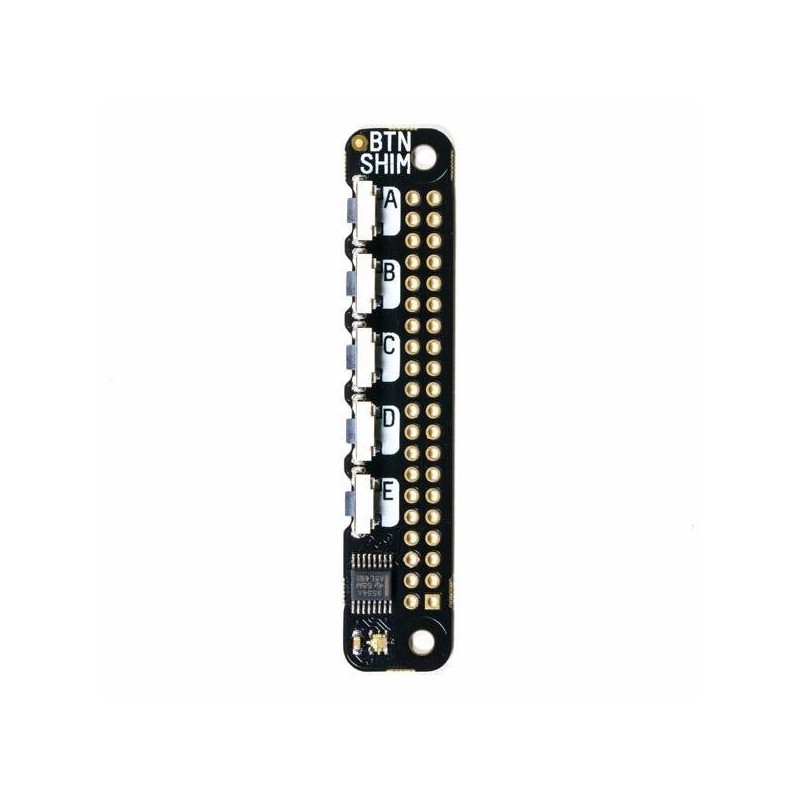
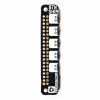
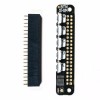

A module with 5 buttons and an RGB diode, designed to work with the Raspberry Pi. The buttons are connected to the minicomputer through the GPIO expander controlled by the I2C interface. Pimoroni PIM301
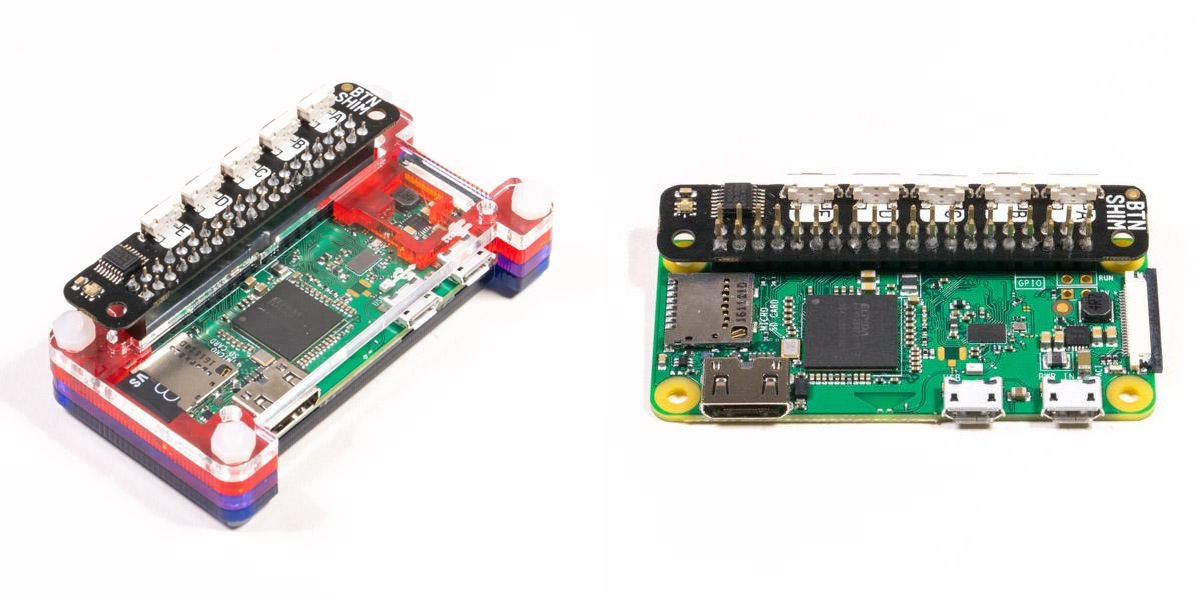
A module with 5 buttons and an RGB diode, designed to work with the Raspberry Pi. The buttons are connected to the minicomputer through the GPIO expander controlled by the I2C interface. The board has a small size and can be plugged between the Raspberry Pi and a full-size HAT, as well as serving as a separate board. It allows you to add an interface for interaction with the user, e.g. when building an audio player or for controlling lighting. Documentation with a library and examples in Python is available in the GitHub repository.
Data sheet
Manufacturer
Responsible person
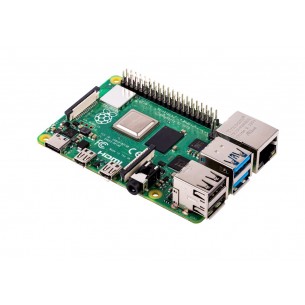
The latest version of the Raspberry Pi series: Raspberry Pi 4 model B with quad-core SoC (Broadcom BCM2711, Cortex-A72) working at 1.8GHz, 2GB RAM LPDDR4, Broadcom VideoCore VI.
No product available!
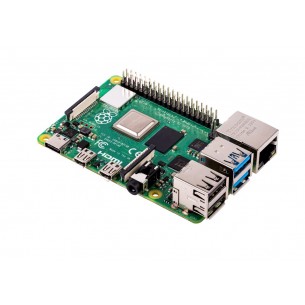
The long-awaited Raspberry Pi 4 model B with the SoC Broadcom BCM2711 (4 x Cortex-A72) running at 1.8 GHz, 3 GB LPDDR4 RAM and the Broadcom VideoCore VI graphics chip
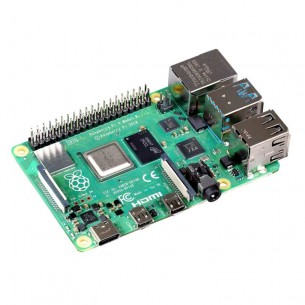
The long-awaited Raspberry Pi 4 model B with the SoC Broadcom BCM2711 SoC (4 x Cortex-A72) running at 1.8GHz, 8 GB LPDDR4 RAM and the Broadcom VideoCore VI graphics chip
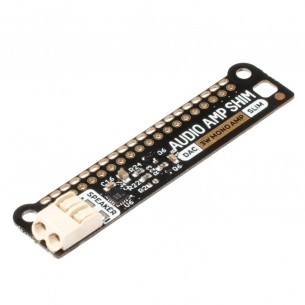
Audio module with DAC converter and mono amplifier, designed to work with the Raspberry Pi. Pimoroni PIM541
No product available!
No product available!
No product available!
No product available!
No product available!
No product available!
No product available!
No product available!
No product available!
No product available!
No product available!
No product available!
No product available!
No product available!
No product available!
No product available!
No product available!
A module with 5 buttons and an RGB diode, designed to work with the Raspberry Pi. The buttons are connected to the minicomputer through the GPIO expander controlled by the I2C interface. Pimoroni PIM301