.png)



zł215.07 tax excl.
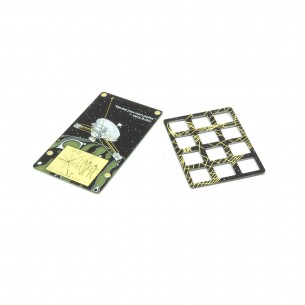
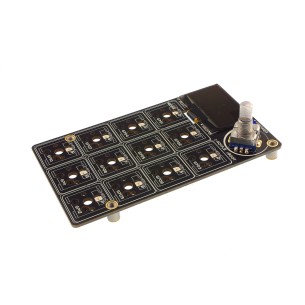
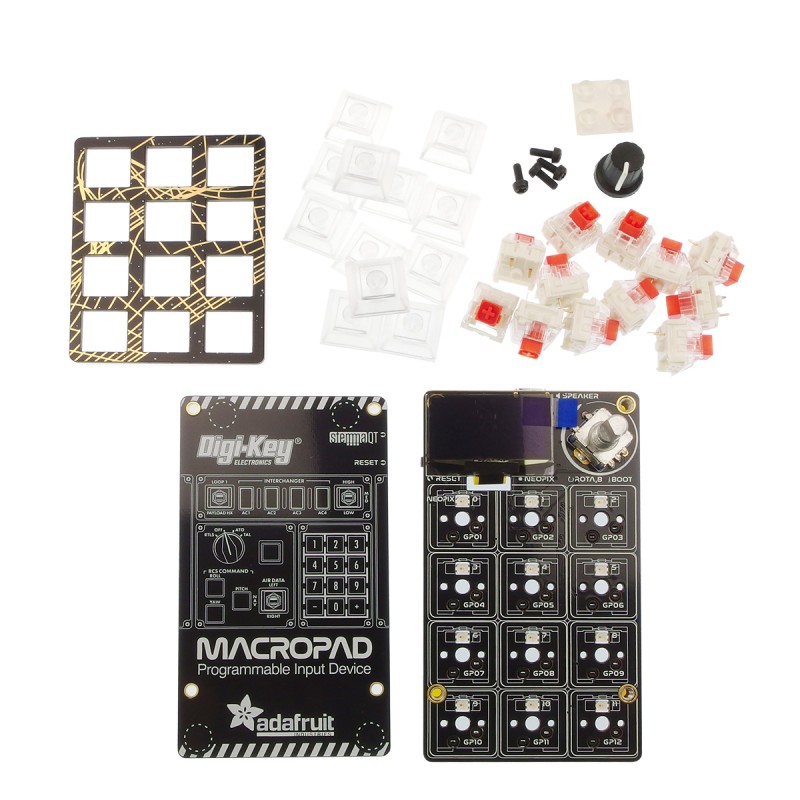
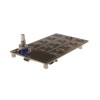
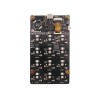
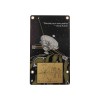
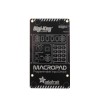
Mechanical keyboard module with LED backlight, encoder and display. Based on the RP2040 microcontroller. Adafruit 5128
Mechanical keyboard module based on the RP2040 microcontroller. Equipped with Cherry MX compatible switch sockets with Kailh Linear Red Switches and Keycaps. On the board, the user has an encoder, buzzer and OLED display with a resolution of 128x64 px, communicating via the SPI interface. Each of the buttons is illuminated by the RGB NeoPixel diode, and additional sensors can be connected thanks to the STEMMA QT connector. The module is controlled by the RP2040 microcontroller, which has two ARM Cortex M0 + cores operating at a frequency of 133 MHz, 264 KB of RAM and 30 GPIO ports. The microcontroller is not equipped with flash memory, but on the board there is an external memory with a capacity of 8 MB connected via the QSPI interface. Can be programmed in C/C++, CircuitPython or MicroPython. Full documentation and examples of use are available on the product page.
Data sheet
Manufacturer
Responsible person
Case for the MacroPad RP2040 mechanical keyboard. The set includes accessories and non-slip feet. Adafruit 5103
Mechanical keyboard module with LED backlight, encoder and display. Based on the RP2040 microcontroller. Adafruit 5100
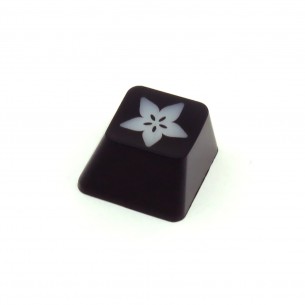
The cap with the Adafruit logo dedicated to the button of the mechanical keyboard with switches compatible with Cherry MX. Made of translucent material. Adafruit 5094
No product available!
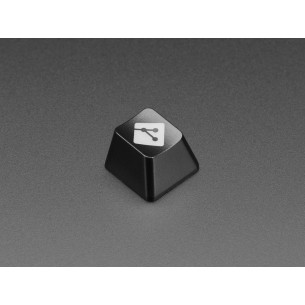
The cap with the GIT Logo dedicated to the button of the mechanical keyboard with switches compatible with Cherry MX. Made of translucent material. Adafruit 5193
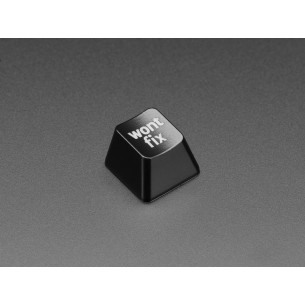
The cap with the inscription "wont fix" dedicated to the button of the mechanical keyboard with switches compatible with Cherry MX. Made of translucent material. Adafruit 5197
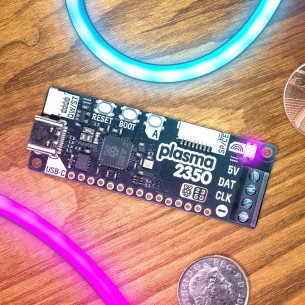
Addressable LED strip controller based on the RP2350A microcontroller with dual Arm Cortex-M33 cores up to 150 MHz. It supports popular WS2812/Neopixel and APA102/Dotstar LEDs and allows for powering and programming via USB-C with current up to 3A. It features screw-type LED connectors, a built-in RGB LED, user-friendly buttons, and a Qw/ST connector for connecting I2C sensors. The kit includes a Star Wire LED strip and a USB-C cable. Pimoroni PIM743
No product available!
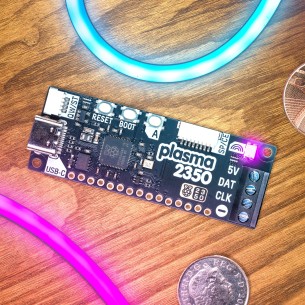
Addressable LED strip controller based on the RP2350A microcontroller with dual Arm Cortex-M33 cores up to 150 MHz. It supports popular WS2812/Neopixel and APA102/Dotstar LEDs and allows for powering and programming via USB-C with current up to 3 A. It features screw-type LED connectors, a built-in RGB LED, user buttons, and a Qw/ST connector for connecting I2C sensors. Pimoroni PIM723
This Raspberry Pi RP2350B microcontroller development board features a dual-core ARM Cortex-M33 or Hazard3 RISC-V processor. It features a 2.8-inch 480x480 circular IPS display with a capacitive touchscreen and LVGL support. It includes 16MB of flash memory, a real-time clock, a 6-axis motion sensor, a microSD slot, and a lithium battery connector. It\'s ideal for HMI, IoT, and smart wearable device projects. Waveshare RP2350-Touch-LCD-2.8C
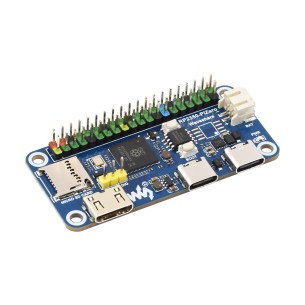
A compact and powerful development board featuring the RP2350B microcontroller, featuring a dual-core ARM Cortex-M33 processor and Hazard3 RISC-V processor. It features 520 KB of SRAM, 16 MB of Flash, expandable with PSRAM, a DVI connector, a PIO-USB port, a microSD slot, and a 40-pin GPIO header. The board supports SPI, I2C, UART, and USB communication, and offers 12 programmable state machines (PIOs) and an on-board temperature sensor. Waveshare RP2350-PiZero
Mini computer based on the RP2350B microcontroller, equipped with a DVI output, two USB Type-A Host ports, WiFi connectivity, a microSD card reader and an audio system. The board provides 16 MB of Flash memory, 8 MB of PSRAM and a GPIO connector, and can be programmed using CircuitPython, Arduino or Pico SDK. Adafruit 6200
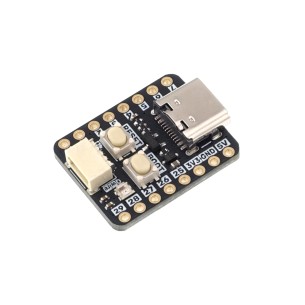
Miniature KAmod RP2040 module with Raspberry RP2040 microcontroller and 16 MB flash memory provides high computing performance in a compact format. Suitable for educational, hobbyist, and prototyping applications of devices with USB, I2C, SPI, and UART communication.
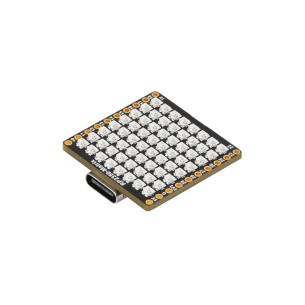
Development board based on the RP2350A microcontroller featuring a unique dual-core, dual-architecture design (Arm Cortex-M33 + Hazard3 RISC-V), an onboard 6-axis sensor, and an 8×8 RGB LED matrix for IoT, robotics, and interactive systems. Waveshare RP2350-Matrix
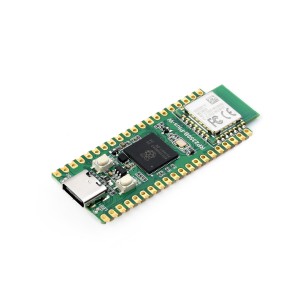
RP2350B-Plus-W is an advanced development board with an RP2350B microcontroller and wireless Wi-Fi/Bluetooth communication, enabling selection between ARM and RISC-V architectures. Intended for educational applications, IoT device prototyping, and projects requiring versatile communication and processing capabilities.
No product available!
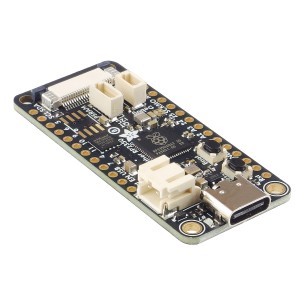
This modern development board features a dual-core Cortex-M33 microcontroller clocked at 150 MHz, 520 KB of RAM, and 8 MB of QSPI Flash. It features a rich set of interfaces, including I2C, SPI, UART, 24 PWM channels, and an HSTX port for high-speed differential data transfer. The board features a STEMMA QT connector, a built-in 200 mA+ LiPo charger, a USB-C port with a UF2 bootloader, and NeoPixel LEDs and a red LED for signaling. The Feather RP2350 is compatible with MicroPython, CircuitPython, Arduino, and C/C++. Adafruit 6000
Pimoroni Pico LiPo 2 PIM775 is an advanced development board with the RP2350B, 16 MB of flash memory and 8 MB of PSRAM, created with battery-powered projects in mind. Thanks to the Qw/ST, SP/CE and JST connectors and the built-in LiPo charging system, it enables quick prototyping of mobile devices and remote IoT systems.
Pimoroni Pico LiPo 2 XL W PIM776 is an extended development board with the RP2350B, offering Wi-Fi and Bluetooth connectivity, 16 MB of flash memory and 8 MB of PSRAM. Thanks to its 40 GPIO pins, integrated LiPo charging system and numerous interfaces, it works well in advanced IoT projects and battery-powered systems.
No product available!
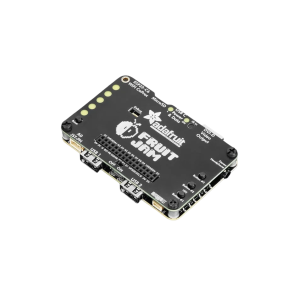
A modular control platform based on the RP2040 microcontroller, designed for advanced robotics and engineering projects. It can simultaneously support up to six high-power modules, such as motor, servo, and LED lighting controllers. Power is supplied via an XT30 connector, ranging from 5 to 17 V, with built-in current and voltage protection. It supports MicroPython programming. Pimoroni PIM687
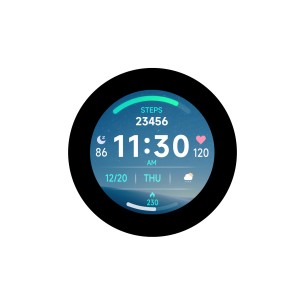
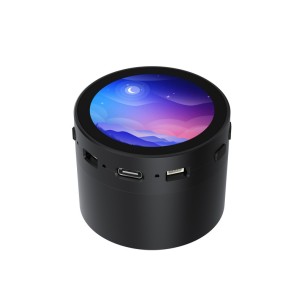
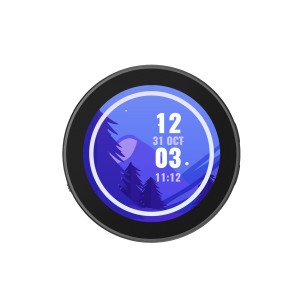
Development board based on the RP2350A microcontroller with a 1.85-inch round capacitive LCD touch display at 360 x 360 resolution and 65K colors, supporting ARM Cortex-M33 and RISC-V architectures, comes with a speaker box, designed for user interfaces and embedded systems. Waveshare RP2350-Touch-LCD-1.85C-BOX-EN
No product available!
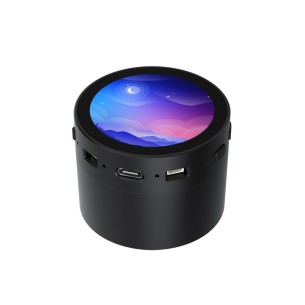
Development board based on the RP2350A microcontroller with a 1.85-inch round capacitive LCD touch display at 360 x 360 resolution and 65K colors, supporting ARM Cortex-M33 and RISC-V architectures, supplied with a speaker enclosure and a 3.7 V lithium battery. Waveshare RP2350-Touch-LCD-1.85C-BOX
No product available!
Development board based on the RP2350A microcontroller with a 1.85-inch round capacitive LCD touch display at 360 x 360 resolution and 65K colors, supporting ARM Cortex-M33 and RISC-V architectures, designed for user interfaces and embedded systems. Waveshare RP2350-Touch-LCD-1.85C
No product available!
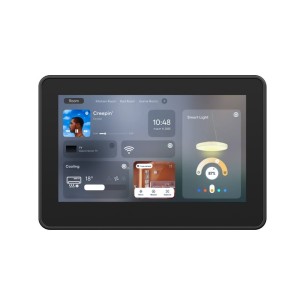
Development board based on the RP2350 microcontroller with a 4.3-inch capacitive touch display 800 x 480, dual-core and dual-architecture support, CAN, RS485 and I2C interfaces, and isolated digital inputs and outputs, designed for control systems and HMI interfaces. Waveshare RP2350-Touch-LCD-4.3B-BOX
No product available!
Mechanical keyboard module with LED backlight, encoder and display. Based on the RP2040 microcontroller. Adafruit 5128