

- New

zł92.67 tax excl.
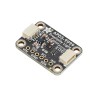
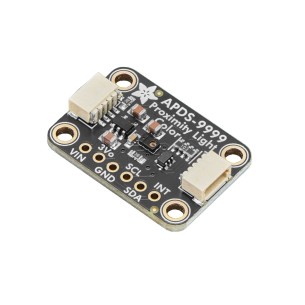
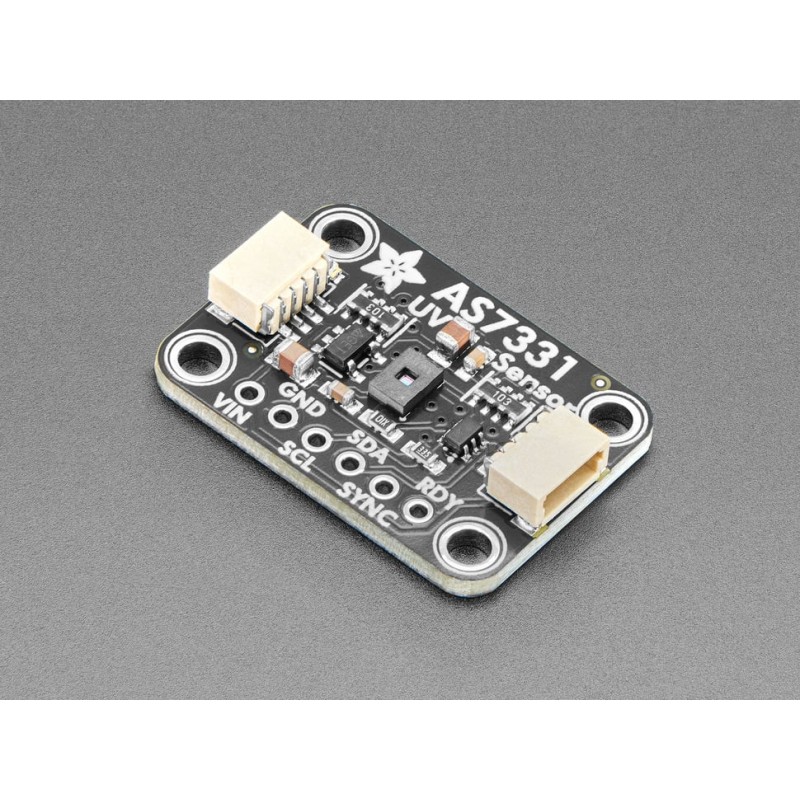
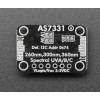
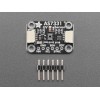
A precise ultraviolet radiation sensor enabling independent measurement of three UV ranges: UVA, UVB, and UVC. The module communicates with a microcontroller via an I²C interface and offers high measurement sensitivity, enabling detection of very low radiation levels. The I²C address can be changed, allowing for connection of up to four sensors on a single bus. The STEMMA QT/Qwiic board allows for easy connection to platforms such as Arduino, Raspberry Pi, and systems supporting CircuitPython. Adafruit 6476
Adafruit AS7331 Sensor is a precise ultraviolet radiation sensor module capable of measuring three main UV ranges: UVA, UVB, and UVC. Unlike many simple UV sensors that measure only the total radiation intensity or are limited to the UVA band, the AS7331 chip can distinguish between individual ultraviolet wavelength ranges. This enables more accurate measurements and detailed analysis of UV radiation sources. Separate measurement channels for UVA, UVB, and UVC allow the sensor to be used in many fields such as UV radiation monitoring for human safety, precision agriculture, UV warning systems, UVC sterilization process control, material curing, and specialized lighting analysis. As a result, the module is suitable for both research projects and environmental monitoring devices as well as automation systems.
The sensor offers extensive configuration options via the I²C interface, allowing adjustment of gain and conversion parameters to suit different measurement conditions. With a gain of 1×, the sensor can measure radiation levels up to 349 mW/cm² in the UVA channel, 386 mW/cm² in the UVB channel, and 169 mW/cm² in the UVC channel. The high sensitivity of the sensor enables detection of extremely low radiation levels—down to 2.38 nW/cm² per measurement step (LSB). The module also allows the I²C address to be changed using two solder jumpers on the board, enabling up to four sensors to operate on the same I²C bus. Additionally, the board exposes a READY pin that signals the completion of a measurement and a SYNC pin that allows measurement synchronization with an external pulse signal.
The sensor is mounted on a convenient STEMMA QT breakout board equipped with logic-level shifting circuitry and connectors compatible with the Qwiic ecosystem. This allows the module to be easily connected to a microcontroller without soldering. The device works with platforms such as Arduino, Raspberry Pi, and boards supporting CircuitPython. The manufacturer provides ready-to-use libraries for Arduino and CircuitPython, simplifying sensor configuration and measurement data acquisition. Thanks to this, the module provides a convenient solution for building UV radiation monitoring systems, scientific and educational projects, and industrial applications requiring precise ultraviolet detection.
Manufacturer BTC Korporacja sp. z o. o. Lwowska 5 05-120 Legionowo Poland sprzedaz@kamami.pl 22 767 36 20
Responsible person BTC Korporacja sp. z o. o. Lwowska 5 05-120 Legionowo Poland sprzedaz@kamami.pl 22 767 36 20
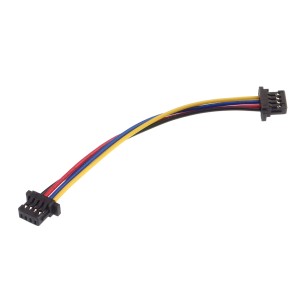
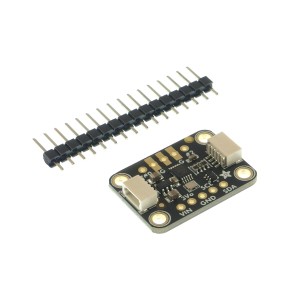
4-wire cable with a length of 50 mm. Both ends with STEMMA QT (Qwiic) plug. Adafruit 4399
No product available!
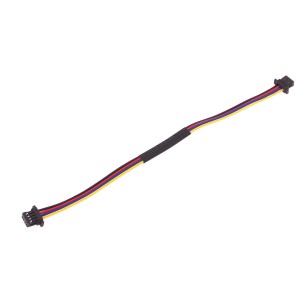
4-wire cable with a length of 100 mm. Both ends with STEMMA QT (Qwiic) plug. Adafruit 4210
No product available!
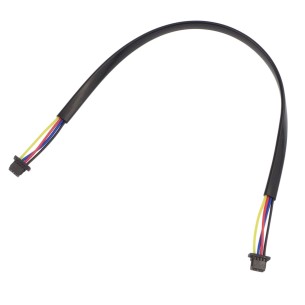
4-core cable with a length of 200 mm. Both ends with STEMMA QT (Qwiic) plug. Adafruit 4401
No product available!
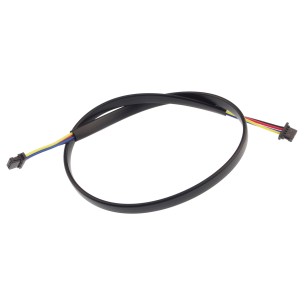
4-core cable with a length of 300 mm. Both ends with STEMMA QT (Qwiic) plug. Adafruit 5384
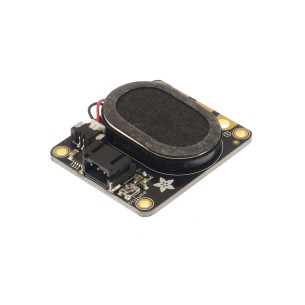
Module with audio amplifier and 8 Ω speaker with a power of 1 W. The board is equipped with a STEMMA connector. Adafruit 3885
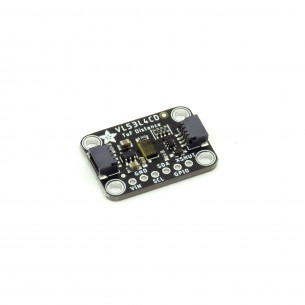
Module with ToF VL53L4CD sensor with a range of up to 1.3 m and a resolution of 1 mm. It is equipped with a STEMMA QT connector and communicates via the I2C interface. Adafruit 5396
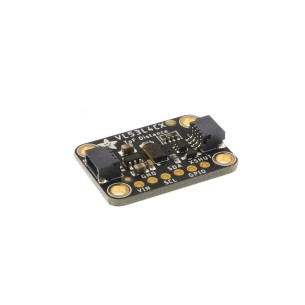
Module with ToF VL53L4CX sensor with a range of up to 6 m. It is equipped with a STEMMA QT connector and communicates via the I2C interface. Adafruit 5425
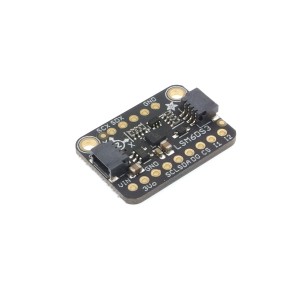
Module with 6-axis IMU sensor that allows you to measure acceleration and rotational speed in the range up to ±16g and ±2000dps. Equipped with a STEMMA QT connector, it communicates via I2C or SPI. Adafruit 4503
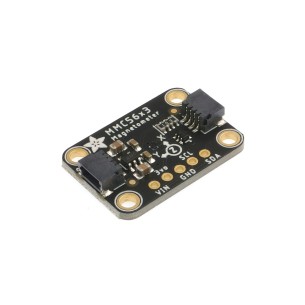
Module with a 3-axis magnetic field sensor MMC5603. Equipped with a STEMMA QT connector, it communicates via the I2C interface. Adafruit 5579
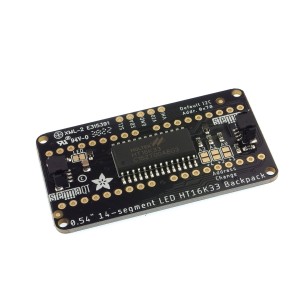
The module with the I2C controller based on the HT16K33 system. Dedicated to 14-segment displays. It is equipped with STEMMA QT connectors. Adafruit 1910
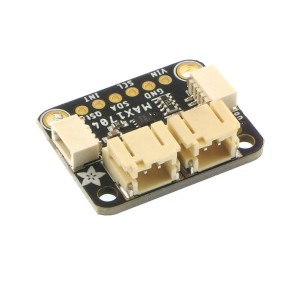
Module with a monitor of the operation of LiPo/Li-Ion batteries based on the MAX17048 system. It allows you to measure the voltage and state of charge of the battery. Adafruit 5580
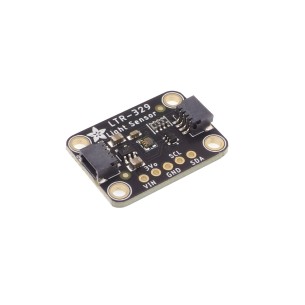
Module with a light intensity sensor LTR-329. It offers a measuring range from 1 to 65535 lux and a 16-bit resolution. Communication takes place using I2C. Adafruit 5591
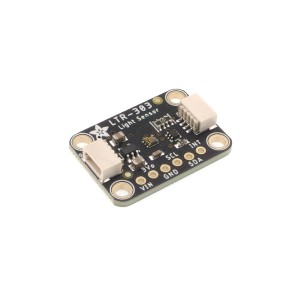
Module with light intensity sensor LTR-303. It offers a measuring range from 1 to 65535 lux and a 16-bit resolution. Communication takes place using I2C. Adafruit 5610
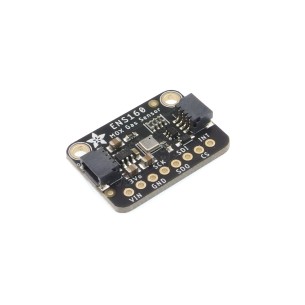
Module with ENS160 gas sensor for measuring the concentration of carbon dioxide (eCO2) and volatile organic compounds (TVOC) in the air. It communicates via the I2C or SPI interface. Adafruit 5606
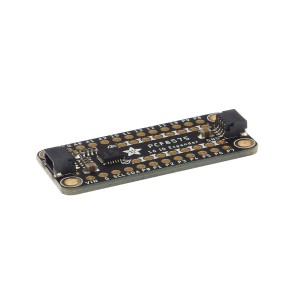
Module with 16-channel PCF8575 IO expander controlled by the I2C interface. Equipped with a STEMMA QT connector. Adafruit 5611
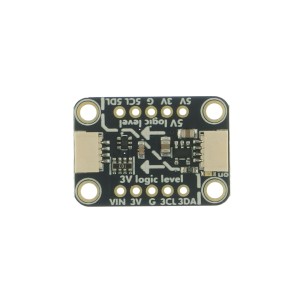
Module with a voltage level converter from 5 V to 3.3 V, intended for use in the STEMMA QT/Qwiic system. It has a built-in voltage stabilizer providing 3.3 V power supply with a current of up to 500 mA. Adafruit 5637
Clock signal generator with a frequency of 8 kHz to 160 MHz based on the SI5351A integrated circuit. Communication with the module takes place via the I2C bus. Adafruit 5640
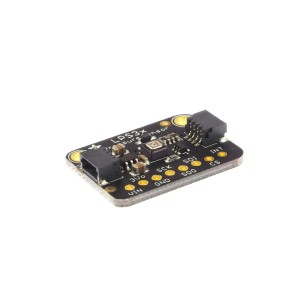
LPS35HW waterproof barometer module. It can measure pressure from 260 to 1260 hPa and communicates via I2C or SPI. Adafruit 4258
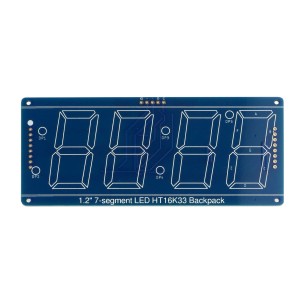
Module with I2C driver based on the HT16K33 chip. Dedicated to 7-segment displays. It is equipped with STEMMA QT connectors. Adafruit 1271
A precise ultraviolet radiation sensor enabling independent measurement of three UV ranges: UVA, UVB, and UVC. The module communicates with a microcontroller via an I²C interface and offers high measurement sensitivity, enabling detection of very low radiation levels. The I²C address can be changed, allowing for connection of up to four sensors on a single bus. The STEMMA QT/Qwiic board allows for easy connection to platforms such as Arduino, Raspberry Pi, and systems supporting CircuitPython. Adafruit 6476