
.png)




Category: MECHANICS
Mechanics - Structural Components, Drives and Accessories
The Mechanics category includes components for building drive systems, mechanical structures, robots, machines, electronic devices, and automation systems. The range includes motors, servos, linear actuators, wheels, tracks, robot chassis, mounting components, enclosures, grippers, electromagnets, solenoid valves, and pumps. Available components can be used to generate motion, transfer mechanical power, build actuating mechanisms, and construct and protect complete devices.
Subcategories
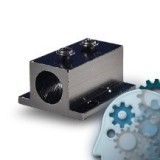
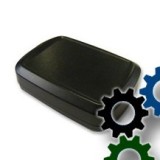
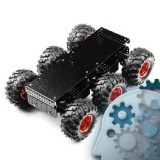
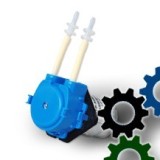
There are 2276 products.
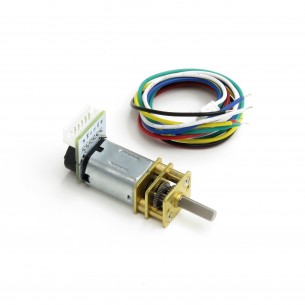
Small motor with metal gear and encoder, rotation speed 500 RPM, operating voltage 6 V. GA46-N20E-0049
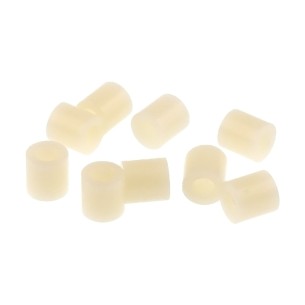
Nylon spacers with a length of 6 mm and diameters of 5 mm / 3.5 mm allow precise spacing between mounting components. The lightweight, insulating design is suitable for electronics, mechanics, and projects requiring resistance to abrasion and chemicals.
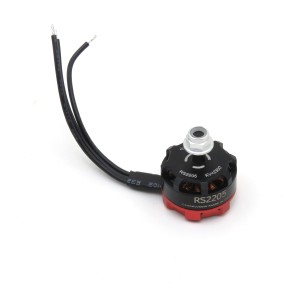
RS2204 2300 kV brushless motor with CCW
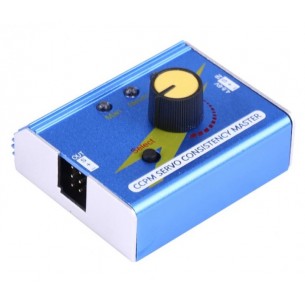
Universal tester of servos and ESC regulators. It allows you to check the operation of the servo without the need for a transmitter and receiver
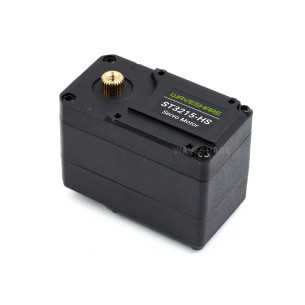
Standard 20 kg*cm programmable servo controlled by UART interface. It can work in the rotation angle control mode or in the continuous operation mode. Waveshare ST3215-HS Servo Motor
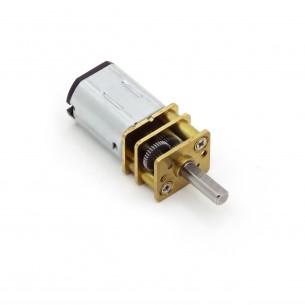
Small metal gear motor, 500 RPM speed, 3V operating voltage. GA12-N20-0008
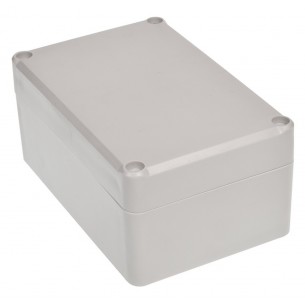
Plastic enclosure Z57 lightgray ABS
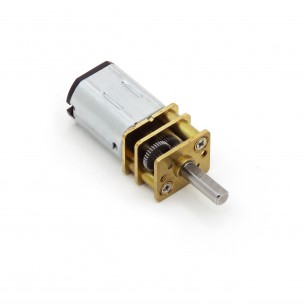
Small metal gear motor, 15 RPM speed, 12V operating voltage. GA12-N20-0019
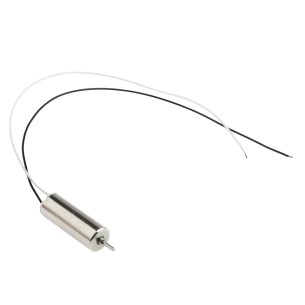
DC electric motor 3.7V, fi - 7mm x 20mm, left-handed, RoHS
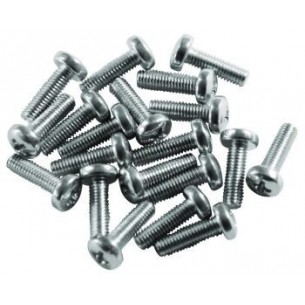
A set of 100 M3 screws with a length of 16 mm with a Philips head
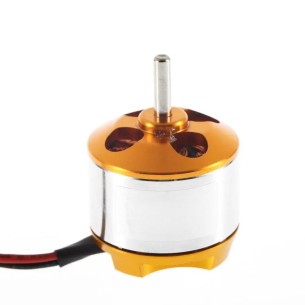
The A2212 2-4S 1000KV BLDC brushless motor is a compact and lightweight electric motor, designed for model making, especially in drones, airplanes, helicopters and other remotely controlled vehicles, offering high efficiency, long life and low energy consumption, while being compatible with LiPo batteries from 2S to 4S
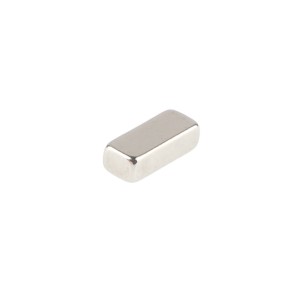
Neodymium rectangular magnet with dimensions of 10x4mm a and a height of 3 mm. Set of 10 pcs
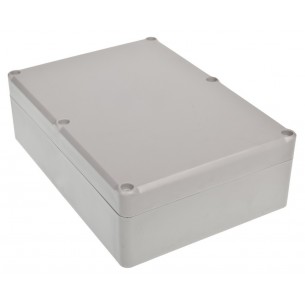
Plastic enclosure Z74 lightgray ABS
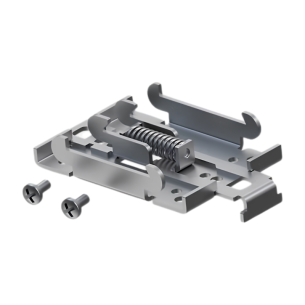
Metal mounting kit designed for installing compatible Teltonika Networks devices on a standard 35 mm DIN rail. The holder is made of low-carbon steel, while its dimensions of 65.2 x 44.2 x 1.5 mm allow routers, modems, gateways and switches to be installed in control cabinets, distribution boards and industrial installations. Teltonika PR5MEC00
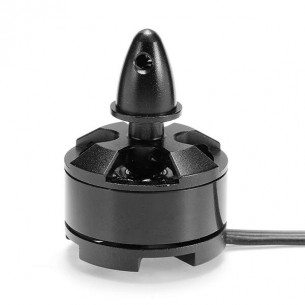
Brushless motor MN1806 2280 kV. Dedicated to drones
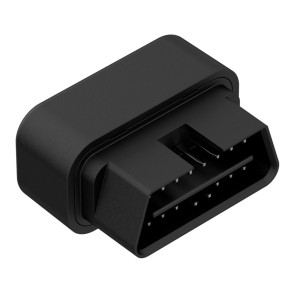
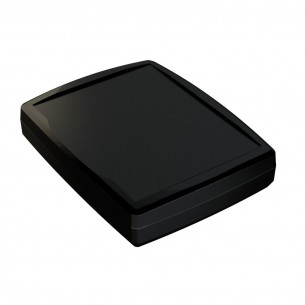
ZOBD MINI SET 24V is a Kradex set containing a 16-pin OBD2 plug and a ZOBD MINI enclosure in the 24 V version, made of ABS material, designed for use in vehicle system diagnostics and service applications.
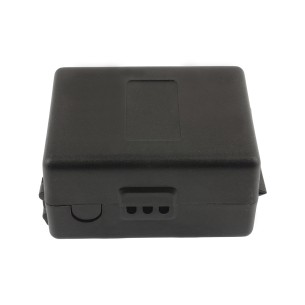
The enclosure, measuring 5 × 46 × 28 mm, is a compact case made of ABS plastic, designed to protect small electronic circuits. Its sturdy construction ensures durability and reliability in various applications.
Motors, Servos and Actuators
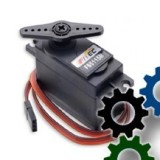
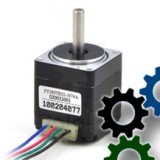
Motors, servos, and actuators provide motion for robots, machines, and actuating mechanisms. Depending on the system design, DC motors, BLDC motors, stepper motors, servos, and linear actuators can be selected according to supply voltage, speed, torque, travel range, and control method.
Wheels, Tracks and Robot Chassis
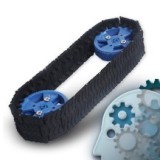
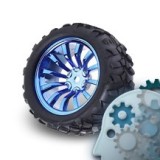
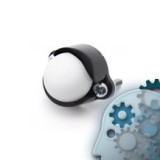
Drive system components enable the construction of mobile platforms and robots designed to move across different surfaces. Wheels, tracks, ball casters, and robot chassis can be used to assemble mobile platforms and match the mechanical structure to the propulsion system, required load capacity, and intended movement characteristics.
Mounting Components and Brackets
Mounting components provide mechanical connections between parts and support the construction of complete devices. Brackets, mounts, and other structural accessories can be used to install motors, sensors, electronic boards, and additional components in robotics, automation, and prototyping projects.
Grippers, Electromagnets and Actuating Components
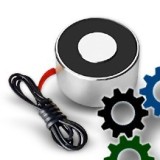
Grippers and electromagnets can be used to build mechanisms for gripping, holding, and moving objects. Combined with suitable drives and control systems, they can be integrated into robotic manipulators, automation mechanisms, and prototype systems.
Pumps and Solenoid Valves
Pumps and solenoid valves are used in systems requiring the transfer or control of liquids and gases. Parameters such as supply voltage, flow rate, pressure, connection diameter, and compatible medium help determine suitability for pneumatic, hydraulic, dosing, and cooling systems.
Enclosures and Structural Accessories
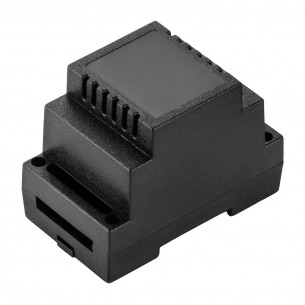
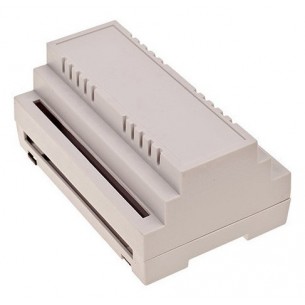
Enclosures protect electronics and other device components against mechanical damage and environmental conditions within the protection capabilities of a particular design. Enclosure accessories and mounting components facilitate the installation of circuit boards, cables, connectors, and other components inside a device.
Selecting Mechanical Components
Mechanical components should be selected according to dimensions, mounting method, material, load requirements, and mechanical and electrical compatibility. For drive systems, additional parameters such as torque, speed, supply voltage, and the method of transferring mechanical power should also be considered.