.png)



zł74.40 tax excl.
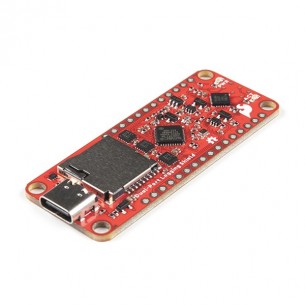
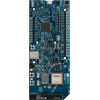
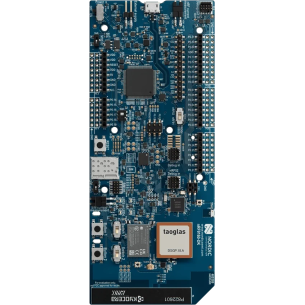
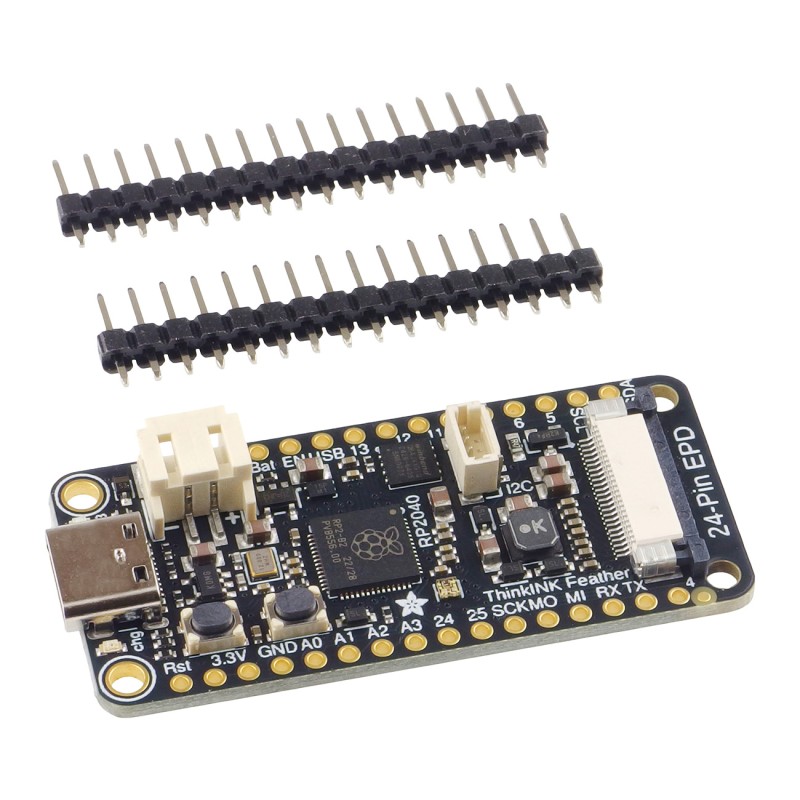
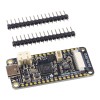
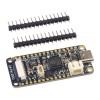
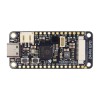
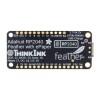
This compact development board allows direct connection to 24-pin e-paper displays, ideal for energy-efficient visual projects. Equipped with a 133MHz RP2040 microcontroller, 264KB SRAM, and 8MB Flash, it offers smooth display caching and support for a wide range of peripherals. It features a dedicated SPI display interface, a STEMMA QT connector, a Li-Po charger, USB-C, and a comprehensive GPIO set with PWM, ADC, and I2C, SPI, and UART communication. Adafruit 5727
The RP2040 Feather ThinkInk is a unique development board that enables easy connection of e-paper displays with a 24-pin FPC connector, offering broad possibilities for creating low-power visual projects. Thanks to the efficient RP2040 microcontroller running at 133 MHz and a large amount of SRAM, the board handles buffering and operating even larger e-Ink displays with ease. Its standard display connector makes it highly versatile, and compatibility with many popular models provides ample room for experimentation.
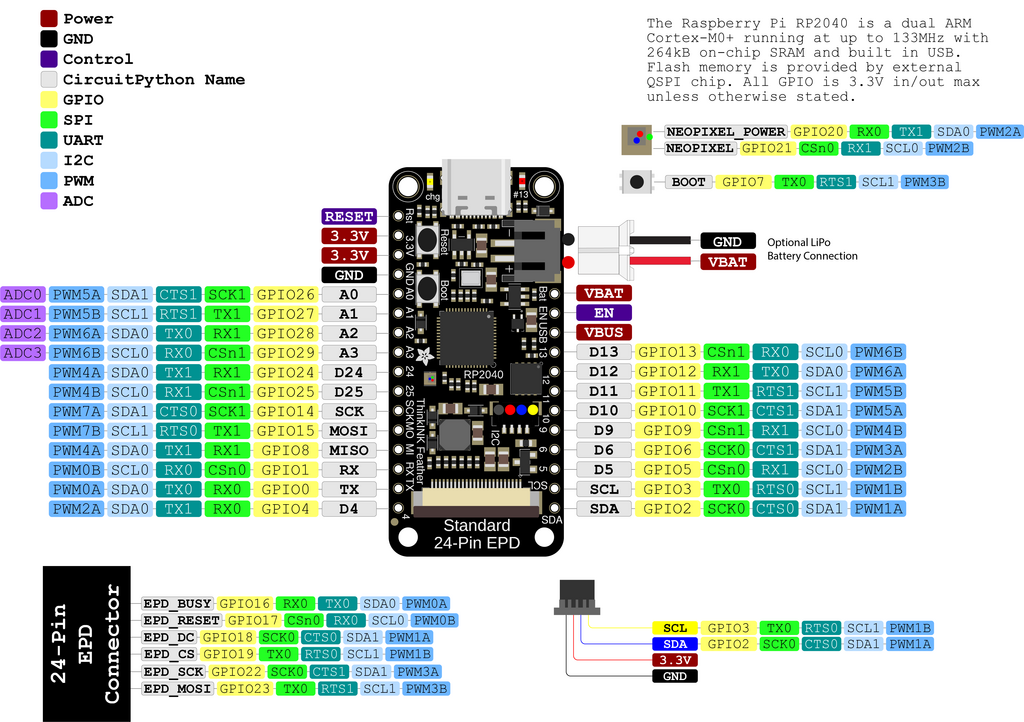
The design features a dedicated SPI interface for the display, keeping the main SPI bus free for other peripherals. The STEMMA QT / Qwiic connector allows quick attachment of sensors and I2C modules without soldering. The board supports battery power and includes a built-in Li-Po charging circuit, making it ideal for portable projects. In addition, it offers multiple communication interfaces, including two UARTs, two I2C buses, two SPI buses, and a wide range of GPIO pins with PWM and ADC. An onboard RGB NeoPixel, a red LED on pin 13, and Reset and Boot buttons assist with signaling, programming, and rebooting.
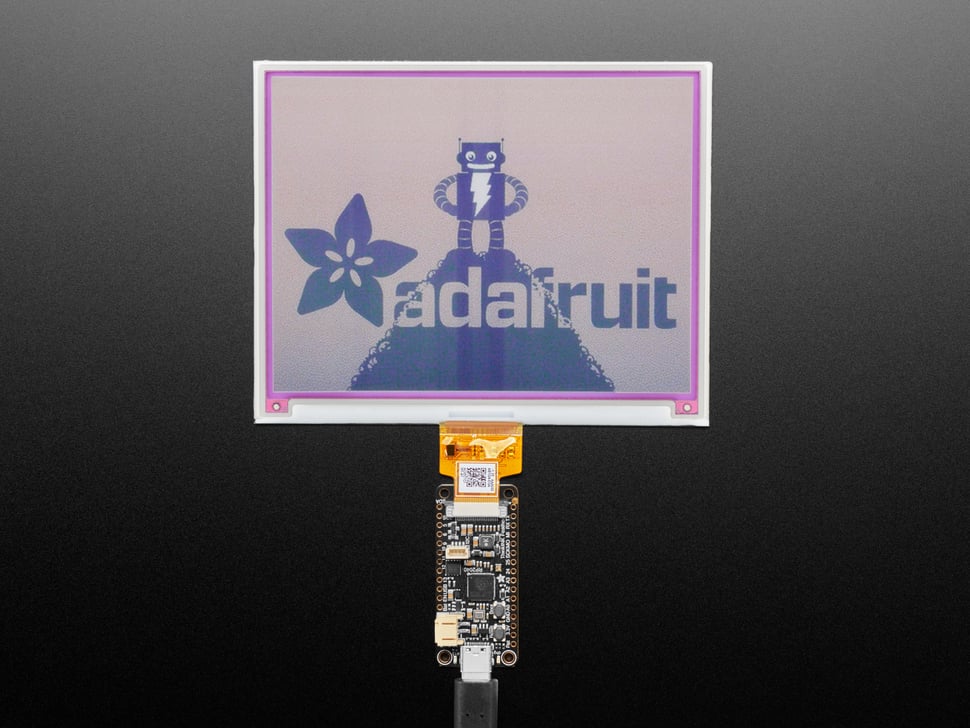
With USB Type-C support, users can enjoy convenient programming and serial communication. The board is compatible with Arduino and CircuitPython, enabling quick prototyping. The RP2040 Feather ThinkInk is an excellent choice for building low-power devices, IoT projects, smart labels, data readers, or portable interfaces based on clear and energy-efficient e-paper. Its compact size, rich feature set, and versatility make it one of the easiest ways to get started with e-Ink in the Feather ecosystem.
Manufacturer
Responsible person
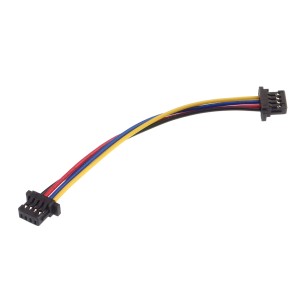
4-wire cable with a length of 50 mm. Both ends with STEMMA QT (Qwiic) plug. Adafruit 4399
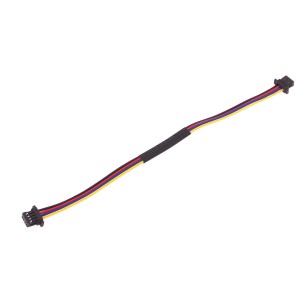
4-wire cable with a length of 100 mm. Both ends with STEMMA QT (Qwiic) plug. Adafruit 4210
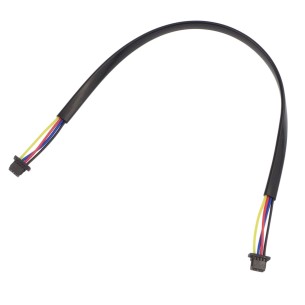
4-core cable with a length of 200 mm. Both ends with STEMMA QT (Qwiic) plug. Adafruit 4401
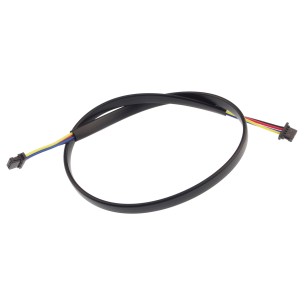
4-core cable with a length of 300 mm. Both ends with STEMMA QT (Qwiic) plug. Adafruit 5384
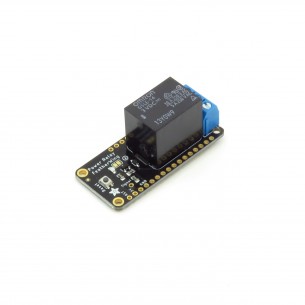
Module with monostable relay. It allows you to control high-power elements with a microcontroller. Adafruit 3191
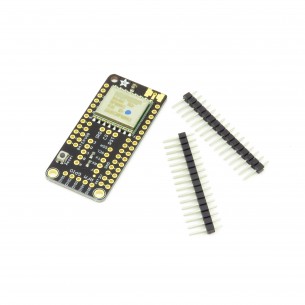
Feather board will let you integrate packetized radio (with the RFM69 radio) or LoRa radio (with the RFM9x\'s). These radios are good options for kilometer-range radio, and paired with one of our WiFi, cellular or Bluetooth Feathers, will let you bridge from 433/900MHz to the Internet or your mobile device. Adafruit 3230
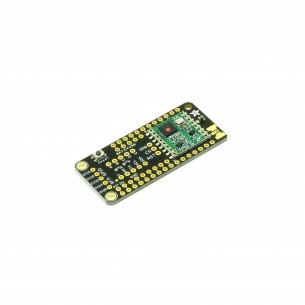
These add-ons for any Feather board will let you integrate packetized radio (with the RFM69 radio) or LoRa radio (with the RFM9x\'s). These radios are good options for kilometer-range radio, and paired with one of our WiFi, cellular or Bluetooth Feathers, will let you bridge from 433/900 MHz to the Internet or your mobile device. Adafruit 3232
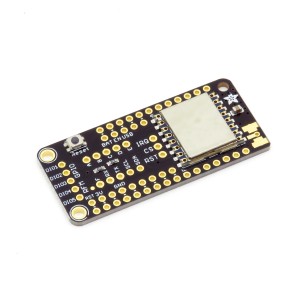
Cap for use with shallow Feather series, with radio module RFM95W 900MHz. It offers a range of up to 2 kilometers (the range can be increased by using an external antenna). It has a SPI interface. Adafruit 3231
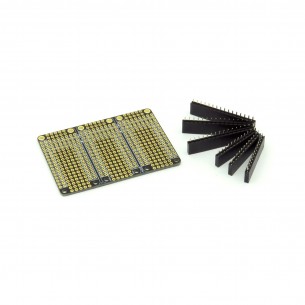
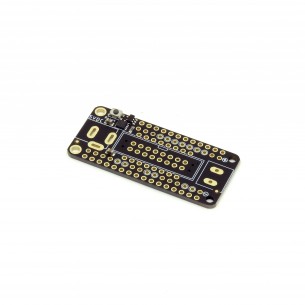
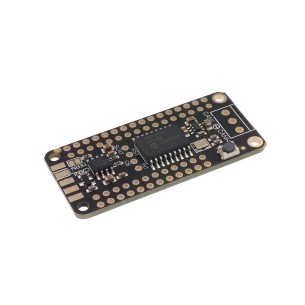
Pin expander designed for Feather plates. It is equipped with three sets of female strips and holes for prototyping. Adafruit 3417
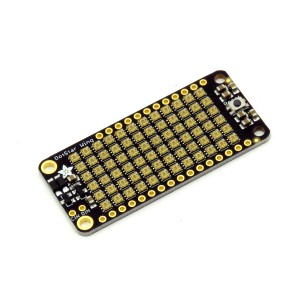
Module with a matrix LED RGB 6x12 display (72 LEDs) designed to work with Feather plates. It communicates via a two-wire SPI interface. Adafruit 3449
Gamepad module (game controller) with joystick and buttons. Designed for Feather tiles. Adafruit 3632
Module with a current and voltage sensor dedicated to Feather boards. Can measure voltage up to 26 V and current up to 3.2 A. Based on INA219 sensor, I2C communication. Adafruit 3650
Extension module dedicated to matrix displays with HUB75 interface. Designed for Feather RP2040, M0 and M4 series tiles. Adafruit 3036
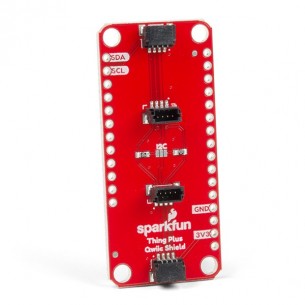
The Qwiic connector overlay provides an easy-to-install way to add Qwiic connectors to Thing Plus and Feather boards. Communication takes place via the I2C interface. Sparkfun DEV-16790
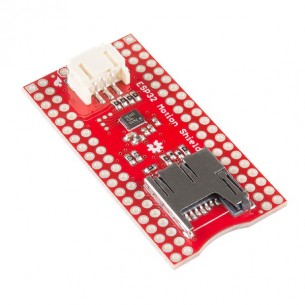
Module with 9-axis IMU LSM9DS1 system dedicated to ESP Thing board. Equipped with a connector for connecting GPS and a microSD slot. SparkFun DEV-14430
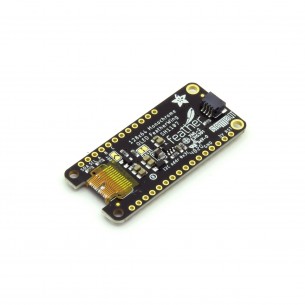
OLED display with a diagonal of 1.3" and a resolution of 128x64 pixels. Designed for use with Feather series plates. Adafruit 4650
The expansion module (shield) is designed for Feather nRF52840 boards. It enables easy connection of 16x32, 32x32 and 64x32 matrix displays. Requires self-assembly. Adafruit 4702
Data logger dedicated to Thing Plus tiles. It allows you to save data on a microSD card with the possibility of reading through the USB port. Supports cards up to 32 GB. SparkFun DEV-19217
CAN controller module for Feather boards. It features an MCP2515 CAN controller and a TJA1051 transceiver and allows data transfer at speeds of up to 1Mb/s. Adafruit 5709
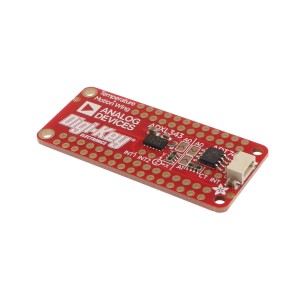
Module with 3-axis accelerometer ADXL343 and precise temperature sensor ADT7410 dedicated to Feather series boards. Equipped with a STEMMA QT connector, it communicates via the I2C interface. Adafruit 4147
This compact development board allows direct connection to 24-pin e-paper displays, ideal for energy-efficient visual projects. Equipped with a 133MHz RP2040 microcontroller, 264KB SRAM, and 8MB Flash, it offers smooth display caching and support for a wide range of peripherals. It features a dedicated SPI display interface, a STEMMA QT connector, a Li-Po charger, USB-C, and a comprehensive GPIO set with PWM, ADC, and I2C, SPI, and UART communication. Adafruit 5727