.png)



zł30.99 tax excl.
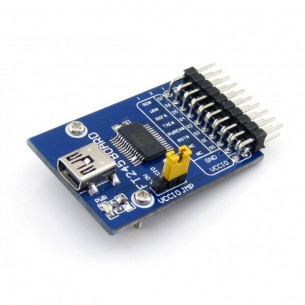
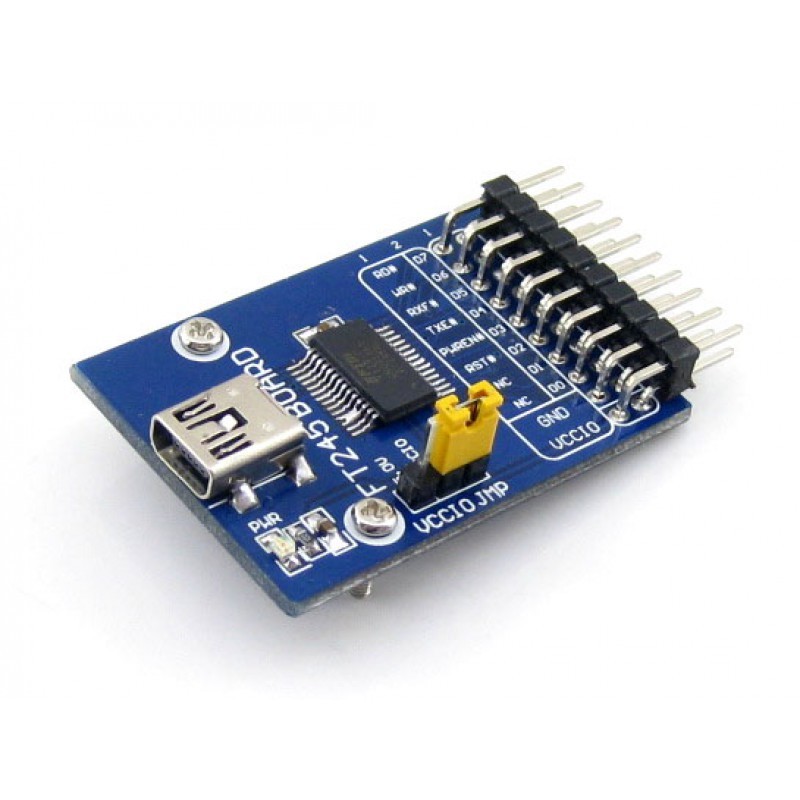
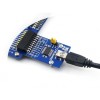
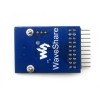
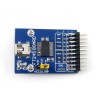
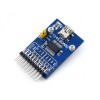
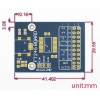
USB converter module - FIFO, FT245 with mini USB and goldpin connector
The FT245 USB FIFO Board module provides the connection of a microcontroller with a FIFO interface to a computer via a USB interface. The interface converter is based on the FT245 chip. In addition, the module has been equipped with a mini USB connector and goldpin connectors (8 pins of parallel interface and 6 control pins). In addition, there are 3 pins on the board that determine the power source of the module and the target device:
Manufacturer
Responsible person
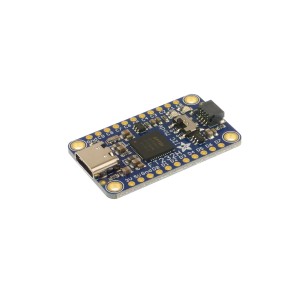
Adafruit 2264
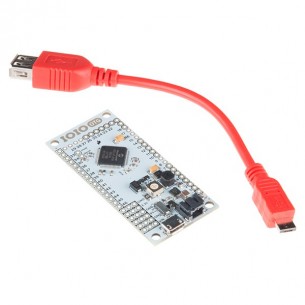
Development board specially designed to add advanced hardware I/O capabilities to your Android or PC application; PIC microcontroller connects an app on your PC or Android device to low-level peripherals like GPIO, PWM, ADC, I2C, SPI, and UART. DEV-13613
USB converter module - FIFO, FT245 with mini USB and goldpin connector
No product available!
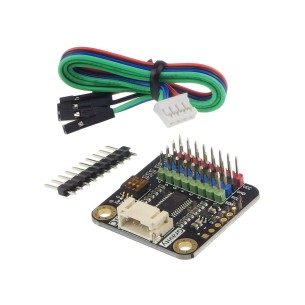
I2C multiplexer module with TCA9548A system. Allows you to connect up to 8 devices. The system works like a gateway - it transmits I2C interface data to one of the 8 main busses. This allows you to connect up to 8 devices with the same address. DFRobot DFR0576
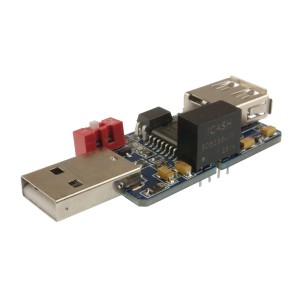
USB port isolator based on the ADUM3160 chip. The device has a rated insulation voltage of 1500V. The isolator is powered from the USB port.
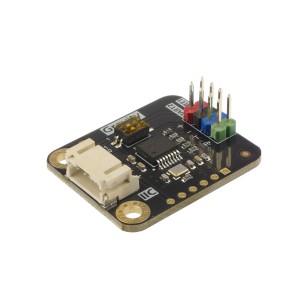
I2C-UART converter module with two UART output interfaces. Configuration of I2C addresses allows you to connect up to 4 such modules to one controller, which means extending the board\'s capabilities by 8 UART interfaces. DFRobot DFR0627
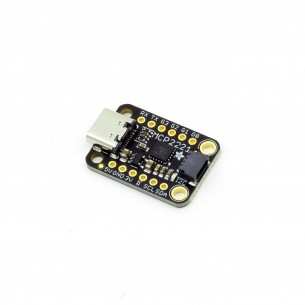
A module with a USB converter - GPIO/ADC/I2C based on the MCP2221A chip. It allows you to connect sensors, displays or PWM drivers to the computer via a 2.54 mm or Stemma QT/Qwiic connector. Adafruit 4471
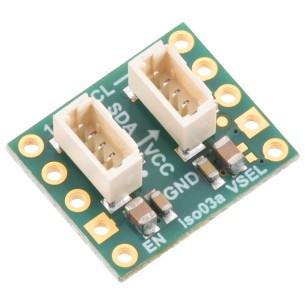
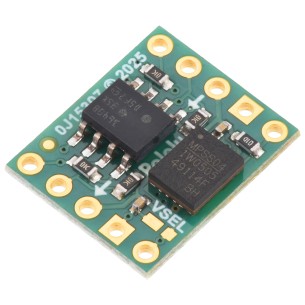
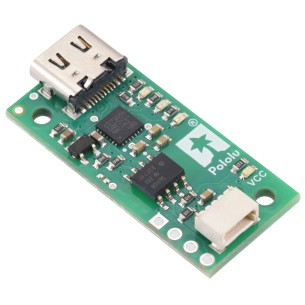
A module that provides galvanically isolated, bidirectional I²C communication and isolated power supply, protecting devices from misconnections and voltage differences. Thanks to the TI ISO1640B device, it supports data transfer up to 1.7 MHz, and the power supply isolation via MPS MIE1W0505BGLVH eliminates ground loops and interference. Pololu 5393
No product available!
A module that provides galvanically isolated, bidirectional I²C communication and isolated power supply, protecting devices from misconnections and voltage differences. Thanks to the TI ISO1640B device, it supports data transfer up to 1.7 MHz, and the power supply isolation via MPS MIE1W0505BGLVH eliminates ground loops and interference. Pololu 5392
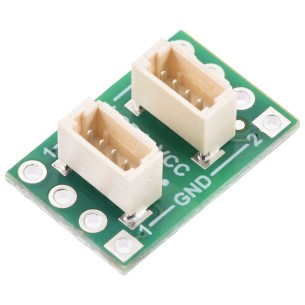
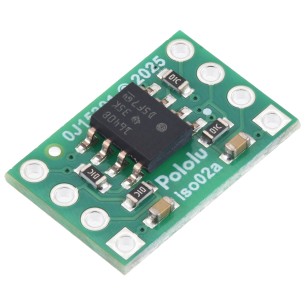
A module that provides galvanically isolated, bidirectional I²C communication (SDA and SCL lines), protecting devices from misconnections and voltage differences. Thanks to the TI ISO1640B chip, it supports data transfer up to 1.7 MHz. Pololu 5391
A module that provides galvanically isolated, bidirectional I²C communication (SDA and SCL lines), protecting devices from incorrect connections and voltage differences. Thanks to the TI ISO1640B chip, it supports data transfer up to 1.7 MHz. Pololu 5390
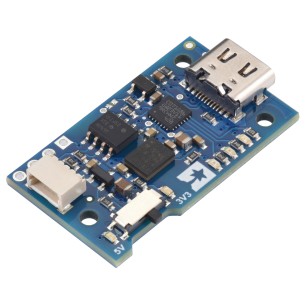
A USB-to-I2C adapter that allows a computer to act as an I2C bus controller, supporting speeds over 1 MHz, clock stretching, and bidirectional communication. The device offers full galvanic isolation between USB and I2C, protecting the computer from damage and interference, and provides an isolated 3.3V or 5V voltage, eliminating the need for an external I2C power supply. With JST SH and goldpin connectors, USB-C support, a virtual serial port, and a Python library, the adapter is a versatile tool for working with I2C devices in both hobbyist and professional projects. Pololu 5397
A USB-to-I²C adapter that allows a computer to act as an I²C bus controller, supporting speeds over 1 MHz, clock stretching, and bidirectional communication. The device offers full galvanic isolation between USB and I²C, protecting the computer from damage and interference. With JST SH and goldpin connectors, USB-C support, a virtual serial port, and a Python library, the adapter is a versatile tool for working with I²C devices in both hobbyist and professional projects. Pololu 5396
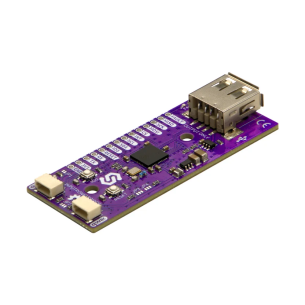
ESP32-S3-based module designed to read data from USB HID devices and forward it to a microcontroller via I2C, UART or SPI. It enables a USB keyboard, mouse or MIDI controller to be connected without implementing a USB Host stack on the Arduino or ESP32 side. The USB-A port is powered by an onboard boost converter that raises the voltage from 3.3 V to 5 V, while the current available to the connected device is limited to 260 mA. Soldered 333390
USB converter module - FIFO, FT245 with mini USB and goldpin connector