.png)



zł70.85 tax excl.
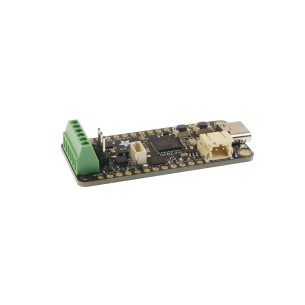
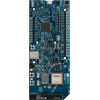
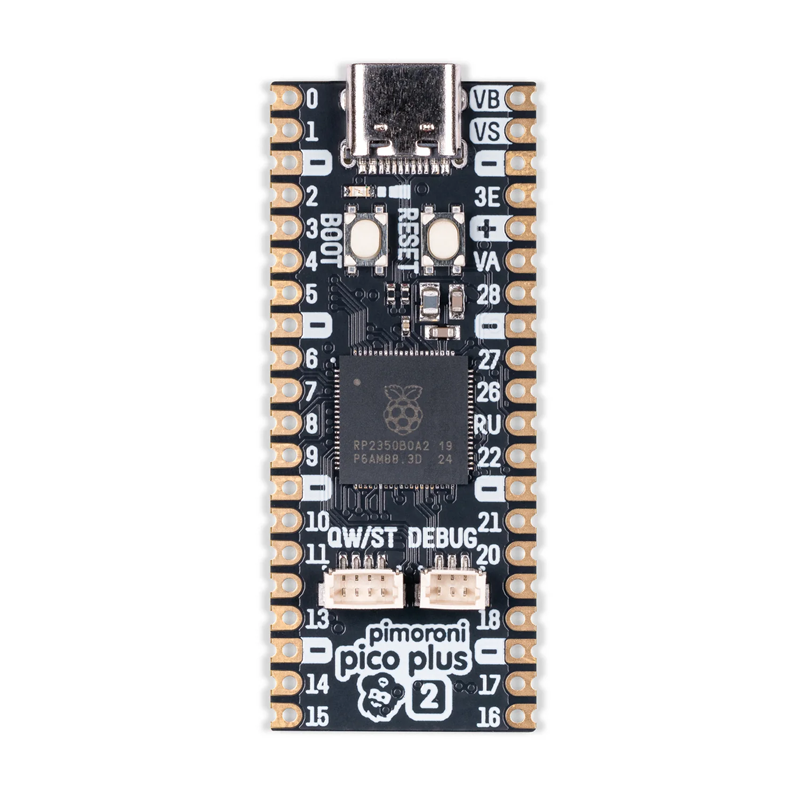
This Raspberry Pi Pico development board is based on the RP2350B microcontroller with dual Arm Cortex-M33 cores running at up to 150 MHz. It offers 520 KB of SRAM, 16 MB of Flash, and 8 MB of PSRAM, making it ideal for memory-intensive projects. It features a USB-C connector, a Qw/ST port for I2C sensors, an SP/CE connector, an SWD debug interface, and reset and boot buttons. Pimoroni PIM724
Pimoroni Pico Plus 2 is an advanced evaluation board based on the modern RP2350B chip, designed for demanding electronic, educational, and prototyping projects. It retains the classic Raspberry Pi Pico form factor, remaining fully compatible with existing Pico add-ons and accessories while offering significantly expanded hardware capabilities. At its core is a powerful processor with Arm Cortex-M33 cores, delivering a noticeable increase in computing performance compared to the RP2040. On board are an impressive 16 MB of Flash memory and 8 MB of PSRAM, making it an ideal choice for projects that require large memory resources, such as display handling, data processing, or communication.
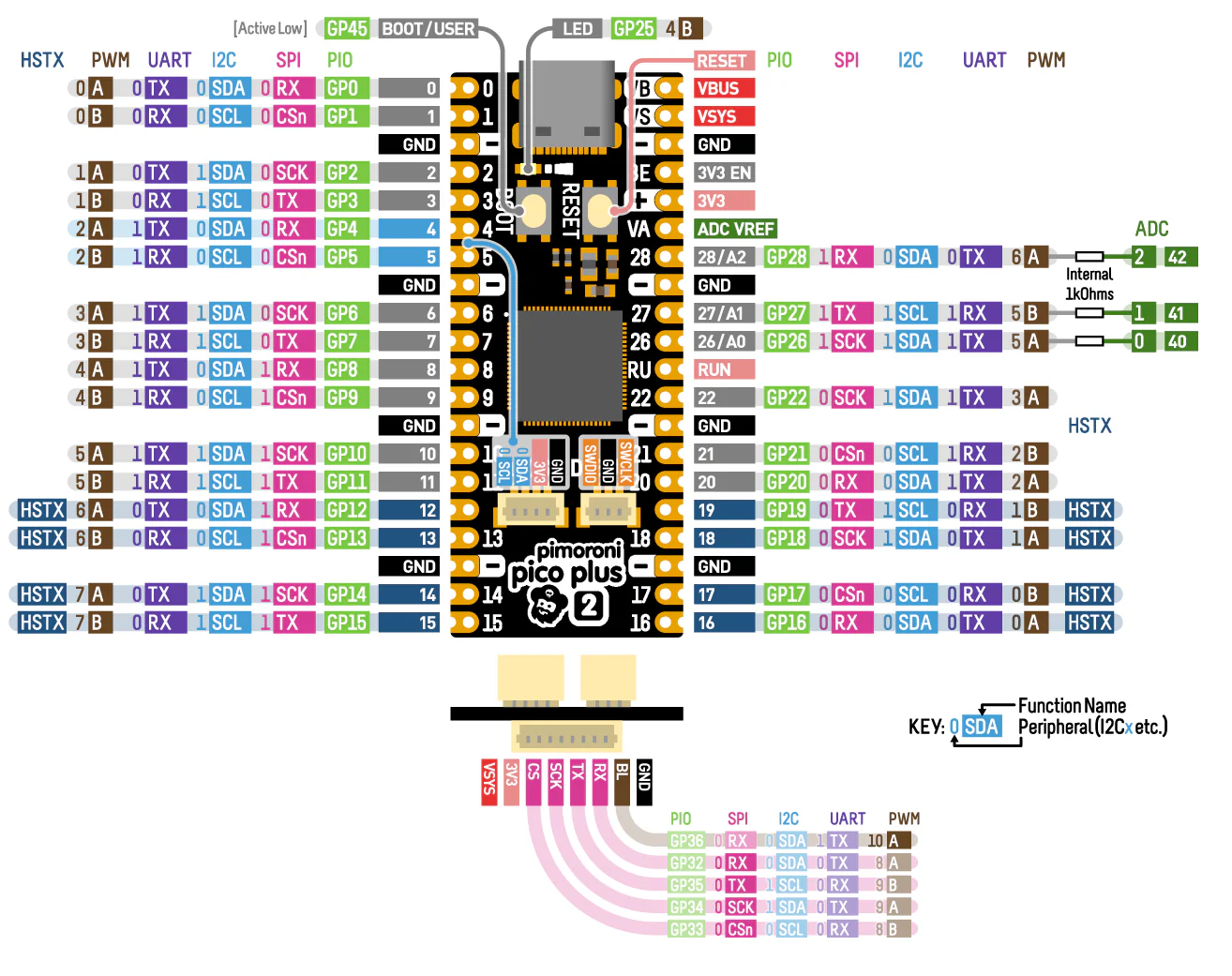
Pico Plus 2 is powered and programmed via a modern USB-C connector, ensuring convenience and reliability. The board features a Qw/ST connector for easy, solderless connection of I2C sensors, as well as a versatile SP/CE connector for SPI and serial communication. For more advanced users, a SWD debug connector is also provided. Reset and BOOT buttons improve usability, with BOOT doubling as a user button. A built-in LED simplifies diagnostics and code testing. Thanks to an efficient 3.3 V regulator, the board can power external modules and sensors. Pico Plus 2 is an excellent choice for hobbyists, students, and professionals who expect high performance in a compact form factor.
Data sheet
Manufacturer
Responsible person
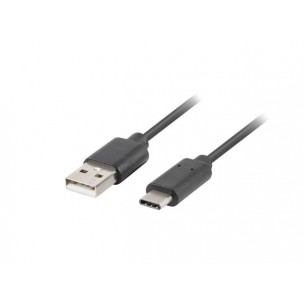
Cable with USB typ A and USB typ C connectors, cable length 0.5 m. LANBERG
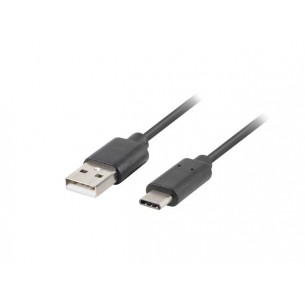
Cable with USB typ A and USB typ C connectors, cable length 1 m. LANBERG CA-USBO-10CC-0010-BK
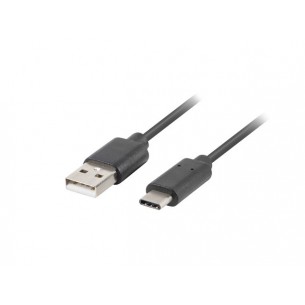
Cable with USB typ A and USB typ C connectors, cable length 1,8 m. LANBERG CA-USBO-10CC-0018-BK
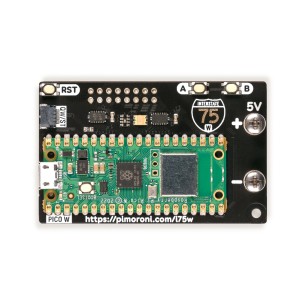
Raspberry Pi Pico W soldered board module dedicated to matrix displays with HUB75 interface. Pimoroni PIM662
No product available!
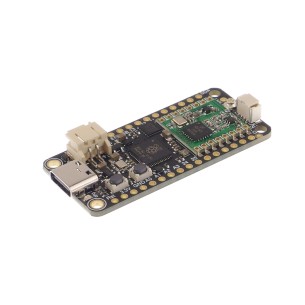
A board with an RP2040 microcontroller and a radio module operating in the 868 MHz frequency band. It has a built-in LiPo charging circuit and a STEMMA QT connector. Adafruit 5712
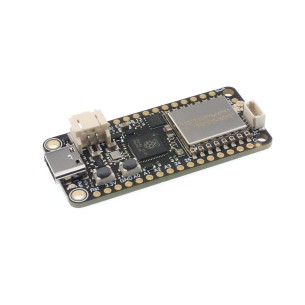
A board with an RP2040 microcontroller and a LoRa RF95 module operating in the 868 MHz frequency band. It has a built-in LiPo charging circuit and STEMMA QT connector. Ideal for IoT projects. Adafruit 5714
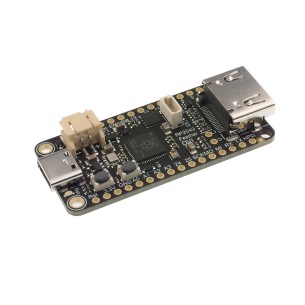
Board with RP2040 microcontroller and HDMI video connector. Has a built-in LiPo charging circuit and STEMMA QT connector. Allows the use of the Feather module to display data on a monitor. Adafruit 5710
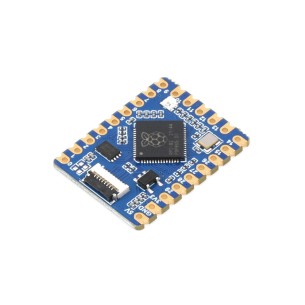
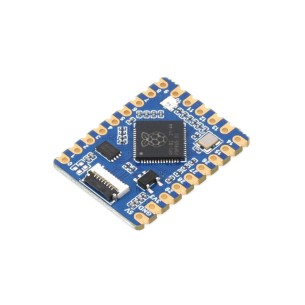
The RP2040 microcontroller board features two ARM Cortex-M0+ cores running at 133 MHz, 264 kB of RAM. The board also features 2 MB of QSPI flash memory and an FPC connector. It comes with a USB adapter. Waveshare RP2040-Tiny-Kit
The RP2040 microcontroller board features two ARM Cortex-M0+ cores running at 133 MHz, 264 kB of RAM. The board also features 2 MB of QSPI flash memory and an FPC connector. The chip can be programmed in C/C++ or MicroPython. Waveshare RP2040-Tiny
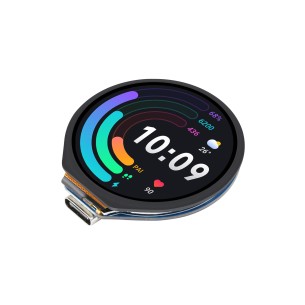
A 1.28" circular IPS LCD display module with touch panel. It has a resolution of 240x240 px and is controlled by an RP2040 microcontroller. It is equipped with an accelerometer and a gyroscope. Waveshare RP2040-Touch-LCD-1.28
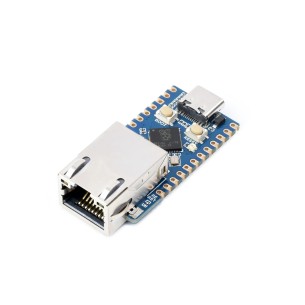
Ethernet module with RP2040 microcontroller. It has an embedded CH9120 chip with an integrated TCP/IP protocol stack. The chip can be programmed in C/C++ or MicroPython. Waveshare RP2040-ETH
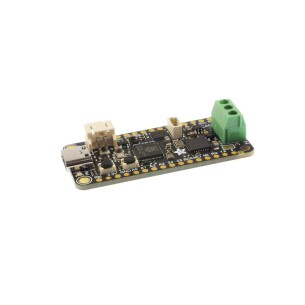
Board with RP2040 microcontroller and MCP2515 CAN controller. It has a built-in LiPo charging circuit and a STEMMA QT connector. It allows you to add communication based on the CAN bus to the project, commonly used in projects related to robotics and the automotive industry. Adafruit 5724
Board with RP2040 microcontroller and class D mono audio amplifier based on MAX98357 chip. It has a built-in LIS3DH three-axis accelerometer, an RGB NeoPixel LED, a LiPo charging circuit, and a STEMMA QT connector. Adafruit 5768
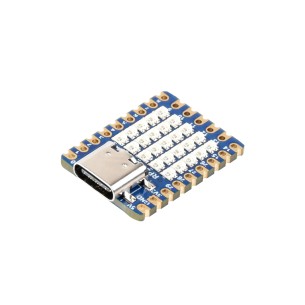
Board with the RP2040 microcontroller equipped with two ARM Cortex-M0+ cores and a 5x5 RGB LED matrix. There is also 2 MB of QSPI flash memory on the board. The circuit can be programmed in C/C++ or MicroPython. Waveshare RP2040-Matrix
No product available!
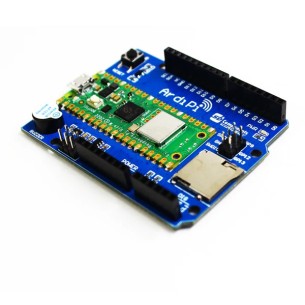
Development board equipped with the Raspberry Pi Pico W module. It is an interesting alternative to Arduino Uno boards. It has a compatible shape and pin layout, while making available the large resources offered by the RP2040 microcontroller. Can be programmed with Arduino, MicroPython and CircuitPython. SB Components 26630
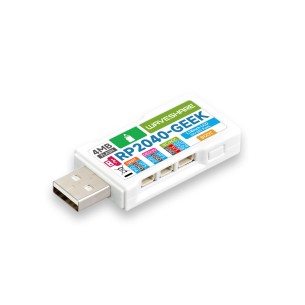
Development board based on the RP2040 microcontroller. It is equipped with a 1.14" color LCD display and a built-in debugging tool via USB interface. The board is enclosed in a plastic housing. Waveshare RP2040-GEEK
No product available!
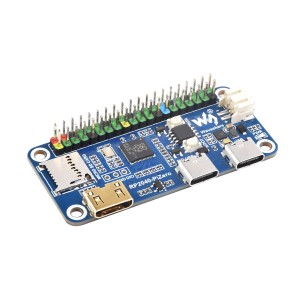
A board with an RP2040 microcontroller equipped with two ARM Cortex-M0+ cores that operate at a frequency of 133 MHz and 264 kB RAM. There is also 16 MB of QSPI Flash memory on the board. The system can be programmed in C/C++ or MicroPython. It offers a DVI connector, a micorSD card slot and a 40-pin GPIO connector. The module has a shape and connector arrangement similar to the popular Raspberry Pi Zero minicomputers. Waveshare RP2040-PiZero
No product available!
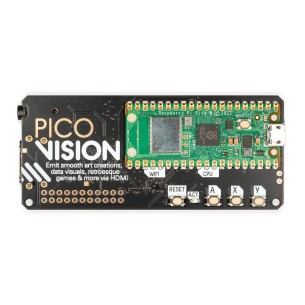
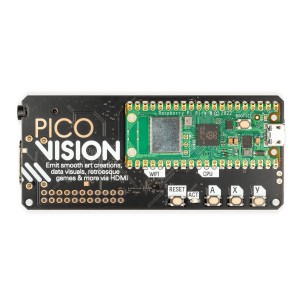
Versatile digital video module. It uses two RP2040 chips (one in the form of a Raspberry Pi Pico W board and the other as a separate RP2040 microcontroller) and is equipped with an HDMI output connector. Pimoroni PIM686
Versatile digital video module. It uses two RP2040 chips (one in the form of a Raspberry Pi Pico W board and the other as a separate RP2040 microcontroller) and is equipped with an HDMI output connector. Pimoroni PIM674
This Raspberry Pi Pico development board is based on the RP2350B microcontroller with dual Arm Cortex-M33 cores running at up to 150 MHz. It offers 520 KB of SRAM, 16 MB of Flash, and 8 MB of PSRAM, making it ideal for memory-intensive projects. It features a USB-C connector, a Qw/ST port for I2C sensors, an SP/CE connector, an SWD debug interface, and reset and boot buttons. Pimoroni PIM724