




zł102.05 tax excl.
ESP32-S3-LCD-4.3 is an advanced evaluation board for graphical and IoT applications, offering a high level of integration with an IPS display, wireless connectivity, and a rich set of interfaces. The non-touch version allows focus on implementing visual interfaces in control systems, data visualization, and consumer devices, while ensuring flexibility and ease of integration.
Evaluation board with the ESP32-S3N8R8 microcontroller, featuring a dual-core Xtensa® LX7 processor clocked up to 240 MHz and integrated 2.4 GHz Wi-Fi and Bluetooth 5 (LE) connectivity. The board includes a 4.3-inch color IPS display with a resolution of 800×480 pixels and a 160° viewing angle, supporting 65 thousand colors. The standard version (non-touch) is ideal for implementing graphical applications using the LVGL environment. The board includes 8 MB of Flash memory and 8 MB of PSRAM, along with a wide range of peripheral interfaces: CAN, RS485, I2C, TF card slot, and both UART and full-speed USB.
Manufacturer BTC Korporacja sp. z o. o. Lwowska 5 05-120 Legionowo Poland sprzedaz@kamami.pl 22 767 36 20
Responsible person BTC Korporacja sp. z o. o. Lwowska 5 05-120 Legionowo Poland sprzedaz@kamami.pl 22 767 36 20
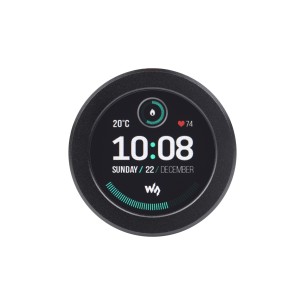
ESP32 module board equipped with a 1.28-inch round display with touch panel. It offers Wi-Fi and Bluetooth 5.0 communication, has a built-in 6-axis QMI8658 IMU sensor and supports lithium battery charging. Ideal for developing IoT projects, mobile devices and wearable electronics. Version with metal housing. Waveshare ESP32-S3-Touch-LCD-1.28-B
No product available!
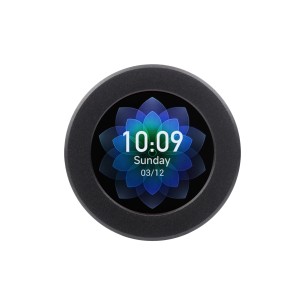
ESP32 module board equipped with a 1.28-inch round display. It offers Wi-Fi and Bluetooth 5.0 communication, has a built-in 6-axis QMI8658 IMU sensor and supports lithium battery charging. Ideal for developing IoT projects, mobile devices and wearable electronics. Version with a metal housing. Waveshare ESP32-S3-LCD-1.28-B
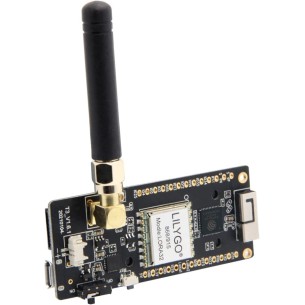
Versatile ESP32 module with LoRa and Wi-Fi support, designed for monitoring people flow and creating mesh networks in difficult conditions, such as in areas cut off from the network. The device can detect Wi-Fi and Bluetooth signals, allowing estimation of the number of mobile devices in the environment without recording MAC addresses, which protects privacy. The module offers low power consumption, data storage on SD card and data transfer via LoRa WAN or MQTT, making it a reliable and self-sufficient solution for emergency communication. modTTGO LoRa32 v2.1
No product available!
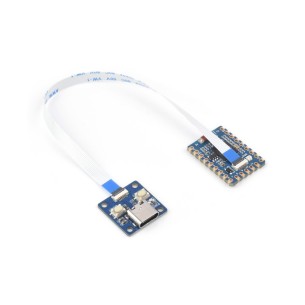
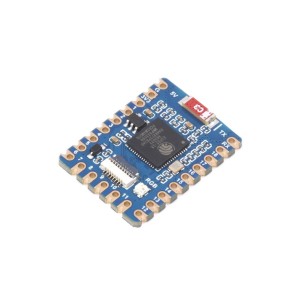
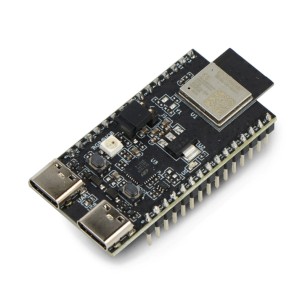
Development board with ESP32-S3FH4R2 based on Xtensa 32-bit LX7 dual-core processor. It offers versatile wireless connectivity, including 2.4GHz Wi-Fi and Bluetooth LE. Equipped with 512 KB SRAM, 384 KB ROM, 2 MB PSRAM and 4 MB Flash memory, as well as a rich set of peripheral interfaces, the board is ideal for advanced technology projects and supports popular development environments such as ESP-IDF, MicroPython and Arduino IDE. It comes with a USB adapter. Waveshare ESP32-S3-Tiny-Kit
No product available!
The ESP32-S3FH4R2 development board is based on the Xtensa 32-bit LX7 dual-core processor. It offers comprehensive wireless connectivity, including 2.4GHz Wi-Fi and Bluetooth LE. Equipped with 512 KB SRAM, 384 KB ROM, 2 MB PSRAM and 4 MB Flash memory, as well as a rich set of peripheral interfaces, the board is ideal for advanced technology projects and supports popular development environments such as ESP-IDF, MicroPython and Arduino IDE. Waveshare ESP32-S3-Tiny
No product available!
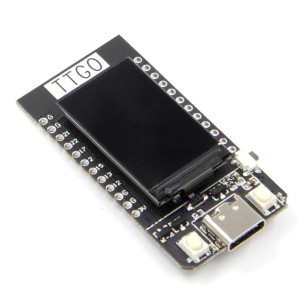
Development board with WiFi and Bluetooth ESP32 module. It is equipped with an IPS 1.14" LCD display, a USB-UART converter and a Li-Ion battery charging system. modESPttgo1.14"-16MB
No product available!
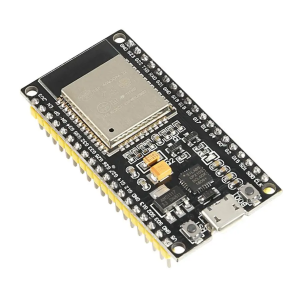
Development kit based on the ESP-WROOM-32 module, equipped with a dual-core 32-bit Tensilica LX6 microcontroller (up to 240 MHz), offers 2.4GHz WiFi and Bluetooth connectivity. Thanks to numerous interfaces (GPIO, SPI, I2C, UART), it is perfect for IoT projects, smart homes and remote control systems.
No product available!
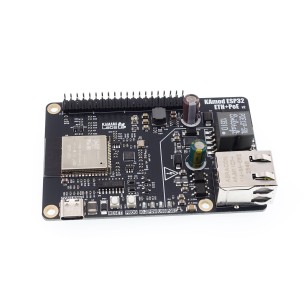
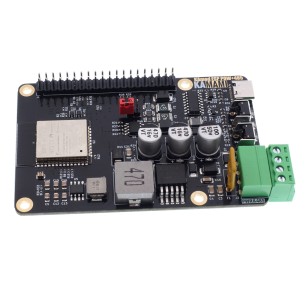
Evaluation board with ESP32-WROOM-32 module (Wi-Fi 2.4 GHz, Bluetooth 4.2 LE, Xtensa Dual-Core 240 MHz, 4 MB Flash), LAN8742 10/100 Mb Ethernet interface, IEEE 802.3af/at PoE power supply, USB-C USB-UART converter and 40-pin GPIO header compatible with Raspberry Pi standard. KAmodESP32 ETH+POE
The KAmod ESP32 POW+RS485 board equipped with the ESP32-WROOM32D 4MB (32Mb) module supports 2.4 GHz Wi-Fi, RS485 communication, also has a USB-UART converter, an efficient power supply system and a 40-pin connector compatible with Raspberry Pi, making it an ideal solution for home and industrial automation
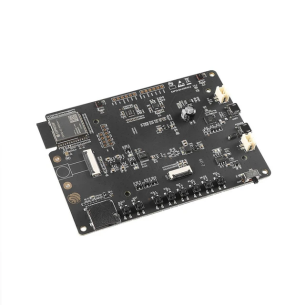
ESP32-S3-Korvo-2 is an advanced AIoT development board with powerful AI acceleration and robust security features, ideal for smart homes and industrial automation. The board supports Wi-Fi and Bluetooth 5 (LE), enabling a wide range of wireless connections.
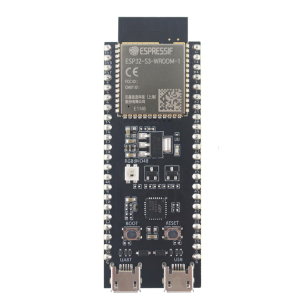
ESP32-S2-DevKitC-1 is a development board with Wi-Fi, ideal for IoT projects and breadboard prototyping. Espressif ESP32-S2-DevKitC-1-N8R2
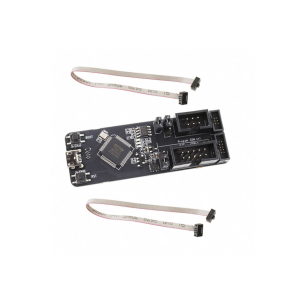
ESP-PROG is an advanced tool for programming and debugging Espressif microcontrollers such as ESP32, ESP32-C3, ESP32-S2, ESP32-S3 and ESP8266. With the built-in FT2232HL USB bridge, ESP-PROG converts the USB 2.0 interface to serial and parallel interfaces, offering functions of automatic firmware download, serial communication and online debugging via JTAG
ESP32-C6-DevKitM-1-N4 is an advanced development board featuring the ESP32-C6-MINI-1 module, which offers versatile wireless connectivity with support for WiFi 6, Bluetooth 5.0, Zigbee, and Thread. With 22 configurable GPIO pins and the ability to operate in a wide temperature range, this board is ideal for IoT applications, industrial automation, smart home systems, and consumer electronics. The built-in PCB antenna ensures stable wireless connections, and the ability to power via USB type C or various input voltages enhances its versatility. Espressif Systems ESP32-C6-DevKitM-1-N4
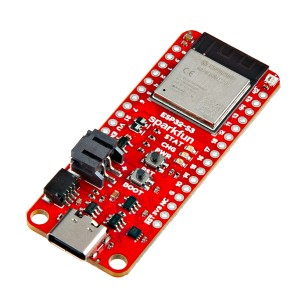
Advanced IoT platform, equipped with ESP32 WROOM-S3 MINI module, supporting WiFi and Bluetooth, with 4MB Flash and 2MB PSRAM, and a microSD card slot. It offers 21 GPIO pins, support for UART, I2C and SPI interfaces, built-in USB Type-C connector and the ability to charge LiPo batteries, making it a versatile tool for developing projects. SparkFun WRL-24408
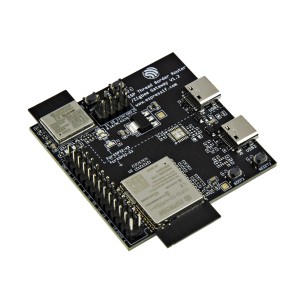
Advanced development plate that combines Wi-Fi and 802.15.4 technologies, providing support for the Thread 1.3 standard and Matter protocol, which makes it an ideal tool for building IoT solutions. Thanks to the integration of Host SOC and Co-Processor radio in one module, the tile allows you to quickly prototype and implement innovative applications, while offering functions such as two-way IPv6 and Service Discovery. Sparkfun WRL-25497
A standard device for communication with the ESP32 device under test (DUT) during production testing. Espressif ESP-BAT32
ESP32-S3-LCD-4.3 is an advanced evaluation board for graphical and IoT applications, offering a high level of integration with an IPS display, wireless connectivity, and a rich set of interfaces. The non-touch version allows focus on implementing visual interfaces in control systems, data visualization, and consumer devices, while ensuring flexibility and ease of integration.