.png)



zł202.44 tax excl.
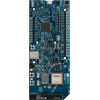
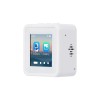
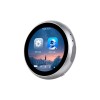
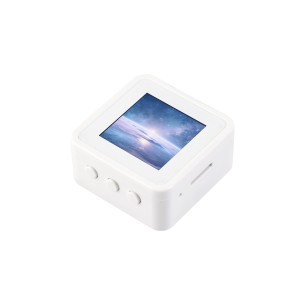
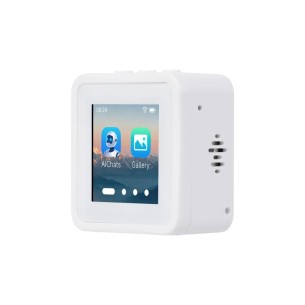
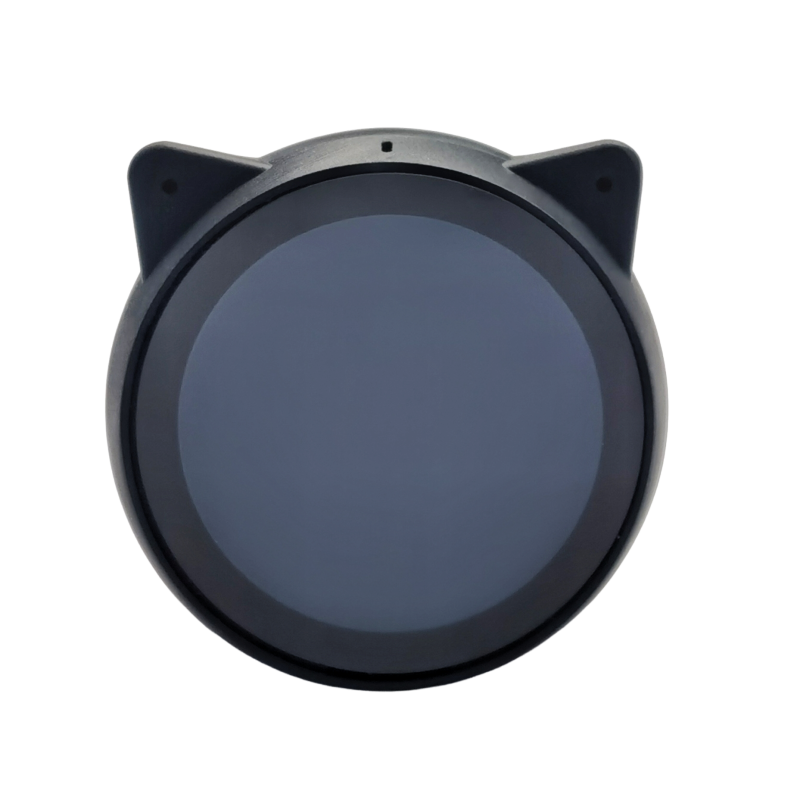
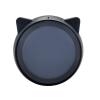
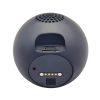
An AI development kit based on the ESP32-S3 module, designed for voice applications and human-machine interaction. The device features Wi-Fi and Bluetooth connectivity, a built-in speaker, dual microphones, and a touchscreen display, enabling features such as speech recognition and real-time voice communication. With 16MB of Flash and 16MB of PSRAM, and microSD card support, it provides high performance and flexibility for IoT projects. Espressif Systems ESP-VoCat
ESP-VoCat v1.2 is an advanced AI development kit designed for modern voice applications and human–machine interaction. The device is based on the powerful ESP32-S3-WROOM-1 module, which provides 2.4 GHz Wi-Fi and Bluetooth 5 LE connectivity, ensuring stable wireless communication in IoT systems. The platform is intended for designing intelligent devices such as smart speakers, interactive toys, and voice control systems. With integration support for AI models such as OpenAI, Gemini, or Amazon Nova, it enables advanced features including full-duplex voice communication and AI agent control.
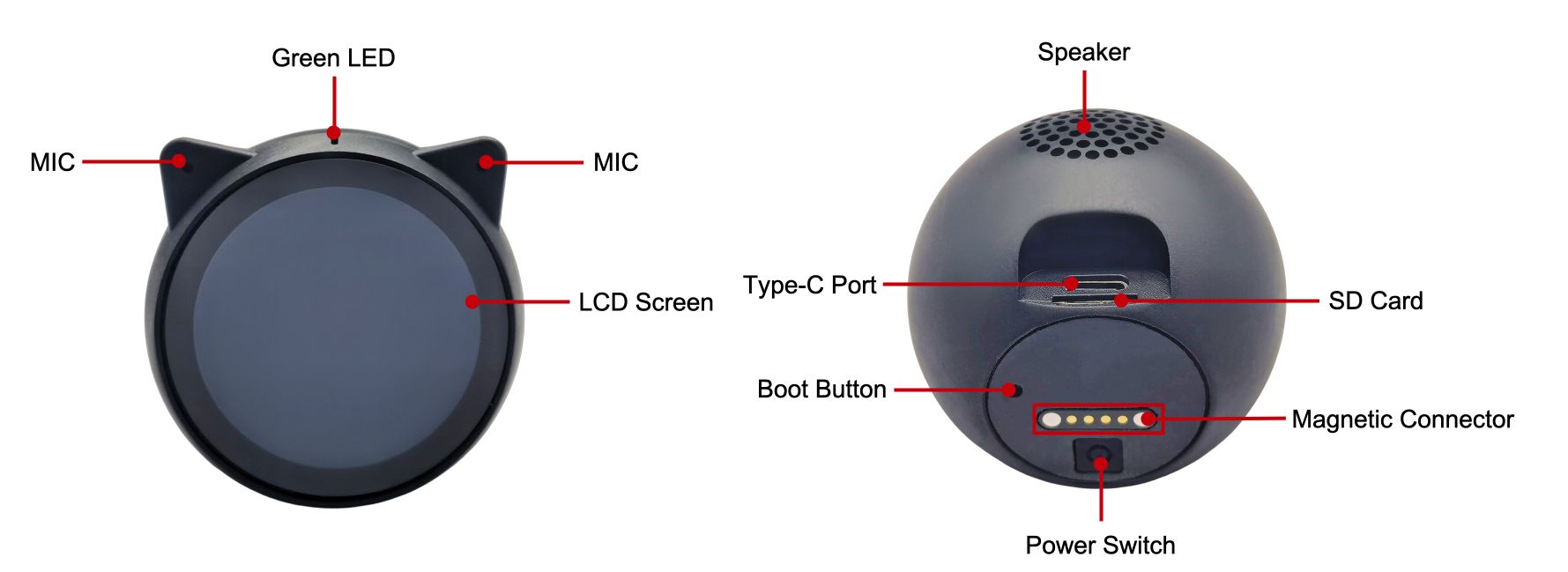
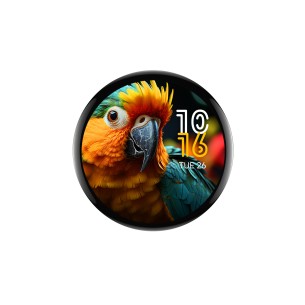
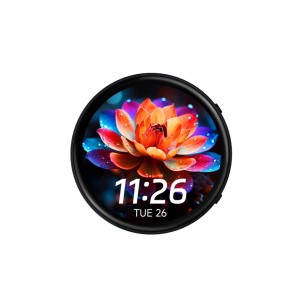
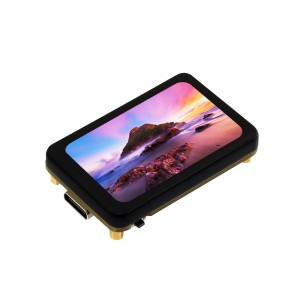
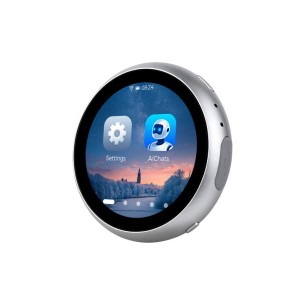
The ESP-VoCat features a 1.85” round touchscreen display with 360 × 360 resolution, allowing intuitive user interaction and real-time data presentation. The audio system includes a 3 W speaker and dual microphone array, enabling local voice command recognition, voice wake-up, and sound source localization. The device also supports 16 MB Flash and 16 MB PSRAM, along with a microSD card slot up to 32 GB, allowing storage of multimedia data and AI models. Thanks to the use of multiple dedicated components such as audio codecs, DC/DC converters, and power management ICs, the ESP-VoCat ensures stable and efficient operation even for advanced signal processing tasks.
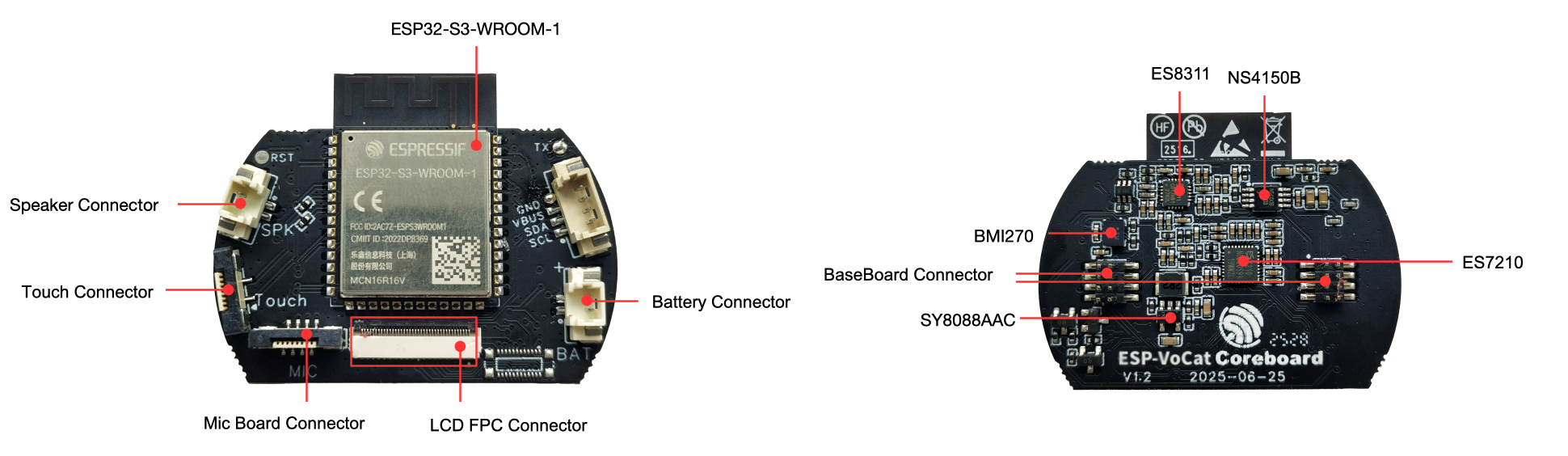
An integrated USB-C port allows both powering and programming the device, while additional expansion connectors enable integration with other modules. Support for power supply from a 3.7 V Li-Ion battery or 5 V DC increases mobility. ESP-VoCat v1.2 is a comprehensive platform for developers looking to build modern edge AI solutions. With rich hardware features and support for speech recognition and audio processing algorithms, the device provides a solid foundation for creating intelligent interactive systems.
Manufacturer
Responsible person
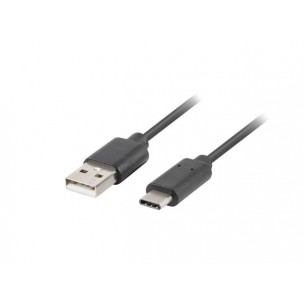
Cable with USB typ A and USB typ C connectors, cable length 0.5 m. LANBERG
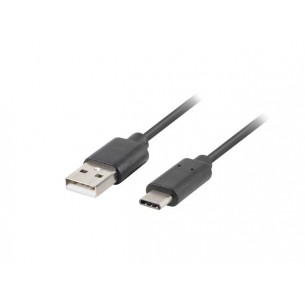
Cable with USB typ A and USB typ C connectors, cable length 1 m. LANBERG CA-USBO-10CC-0010-BK
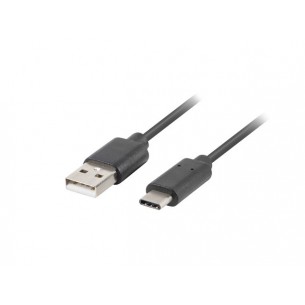
Cable with USB typ A and USB typ C connectors, cable length 1,8 m. LANBERG CA-USBO-10CC-0018-BK
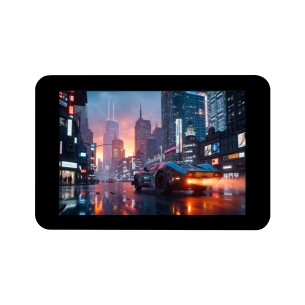
ESP32-S3-Touch-LCD-3.5B is a development board with a touchscreen display and wireless connectivity, designed for IoT projects, voice control, and user interfaces. Integrated features such as IMU, RTC, microSD card, and audio enable the development of advanced interactive devices.
No product available!
ESP32-P4-86-Panel-ETH-2RO is a compact built-in touch panel with ESP32-P4, designed for smart control, HMI interfaces, and industrial applications. It offers a rich set of interfaces, including Ethernet, RS485, and two independent relays, as well as support for multi-touch and Wi-Fi 6 wireless communication. Ideal for use in home and industrial automation, where integration, security, and performance are essential.
No product available!
ESP32-P4-WIFI6-Touch-LCD-4B is a control panel with a 4″ IPS display, Wi-Fi 6 and Bluetooth 5 support, 5-point touch, and advanced audio capabilities, designed for smart installations, HMI, and IoT devices. The module supports the development of interactive user interfaces in modern automation systems.
No product available!
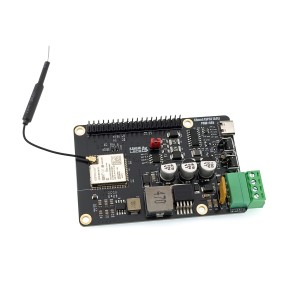
Evaluation board with an ESP32-WROOM-32U Wi-Fi module featuring a U.FL antenna connector, RS485 interface, and a high-performance power supply
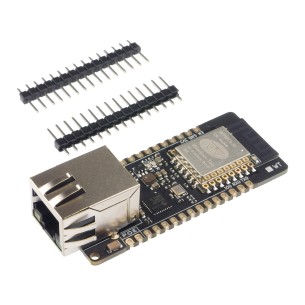
ETH01-EVO is an IoT communication module based on the ESP32-C3 microcontroller with support for 2.4 GHz WiFi, Bluetooth 5 LE and 10/100 Mb/s Ethernet via an RJ45 connector. It enables TCP/IP communication and control via AT commands, intended for integration with embedded systems. ETH01-EVO
No product available!
ESP32-C6-Touch-LCD-1.47-M is a version of the development board with an IPS display and ESP32-C6, equipped with Wi-Fi 6, Bluetooth 5, and a rich set of peripherals. With factory-soldered GPIO headers, it allows immediate use in prototyping IoT devices and HMI systems.
ESP32-C6-Touch-LCD-1.47 is a development board with a touch IPS display and ESP32-C6 chip, providing Wi-Fi 6, Bluetooth 5, and a rich set of peripherals. The standard version without pre-soldered pin headers allows flexible integration into IoT, HMI, and mobile applications.
No product available!
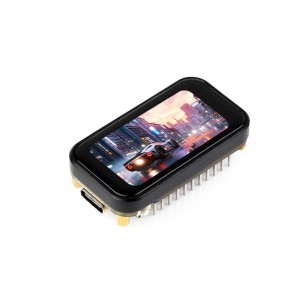
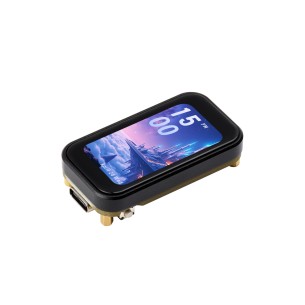
ESP32-S3-Touch-LCD-1.47-M is a compact development board with an ESP32-S3 and a 1.47" IPS touchscreen display, combining high computing performance with a ready set of interfaces and connectors. With factory-soldered pin headers, it is ideal for rapid prototyping of IoT, AIoT, and HMI interface applications.
ESP32-S3-Touch-LCD-1.47 is a compact development board with an IPS display and ESP32-S3 microcontroller, equipped with Wi-Fi and Bluetooth as well as Flash and PSRAM memory. The version without pre-soldered pin headers allows flexible integration into IoT and HMI projects, ensuring smooth handling of graphical interfaces and wireless communication.
ESP32-S3-Touch-AMOLED-1.75-G is a development board with a round AMOLED display and built-in GPS, designed for mobile applications, IoT, and user interfaces. Thanks to the ESP32-S3 with Wi-Fi, Bluetooth, and rich peripherals, the board enables the development of projects combining visualization, touch control, GNSS positioning, and voice interaction.
No product available!
ESP32-S3-Touch-AMOLED-1.75-B is a development board based on the ESP32-S3 with a round AMOLED display and built-in protective enclosure, designed for projects requiring durability and compact integration. With Wi-Fi, Bluetooth, audio, sensors, and touch support, it is suitable for creating modern IoT and HMI devices.
No product available!
ESP32-S3-Touch-AMOLED-1.75 is a standard ESP32-S3 development board with an AMOLED display, touch, microphones, sensors, and Wi-Fi/Bluetooth support. It is suitable for building compact IoT and HMI devices where touch interaction, wireless communication, and audio support are essential.
No product available!
ESP32-S3 1.64” AMOLED Touch Display Development Board is a robust development platform for IoT, HMI, and smart device projects. Equipped with a high-contrast AMOLED display with a wide viewing angle, a rich set of peripherals, an accelerometer and gyroscope, as well as Wi-Fi and Bluetooth, it enables rapid development of modern interactive applications and portable devices.
ESP32-P4-WIFI6-Touch-LCD-4C board with a 4″ round AMOLED display, 10-point touch support, Wi-Fi 6, Bluetooth 5, and hardware security features, designed for advanced embedded applications, HMI systems, voice-enabled devices, and smart interfaces.
No product available!
ESP32-P4-WIFI6-Touch-LCD-3.4C development board with a 3.4-inch AMOLED display, Wi-Fi 6 and Bluetooth 5 (LE) support, two microphones with echo cancellation, and hardware security features. A solution for AI, HMI, and IoT projects requiring high performance and precise touch interaction.
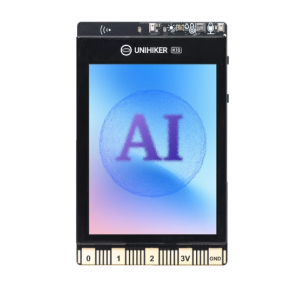
UNIHIKER K10 is a comprehensive AI educational board featuring an ESP32-S3, wireless connectivity, and a set of built-in sensors, designed for learning visual programming and exploring AI. It enables rapid development of projects involving computer vision, voice control, and IoT communication – ideal for educational use and prototyping.
An AI development kit based on the ESP32-S3 module, designed for voice applications and human-machine interaction. The device features Wi-Fi and Bluetooth connectivity, a built-in speaker, dual microphones, and a touchscreen display, enabling features such as speech recognition and real-time voice communication. With 16MB of Flash and 16MB of PSRAM, and microSD card support, it provides high performance and flexibility for IoT projects. Espressif Systems ESP-VoCat