


zł355.77 tax excl.
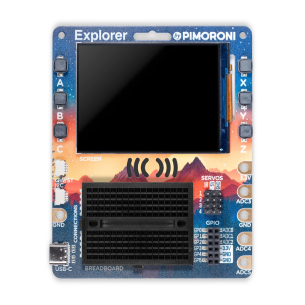
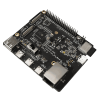
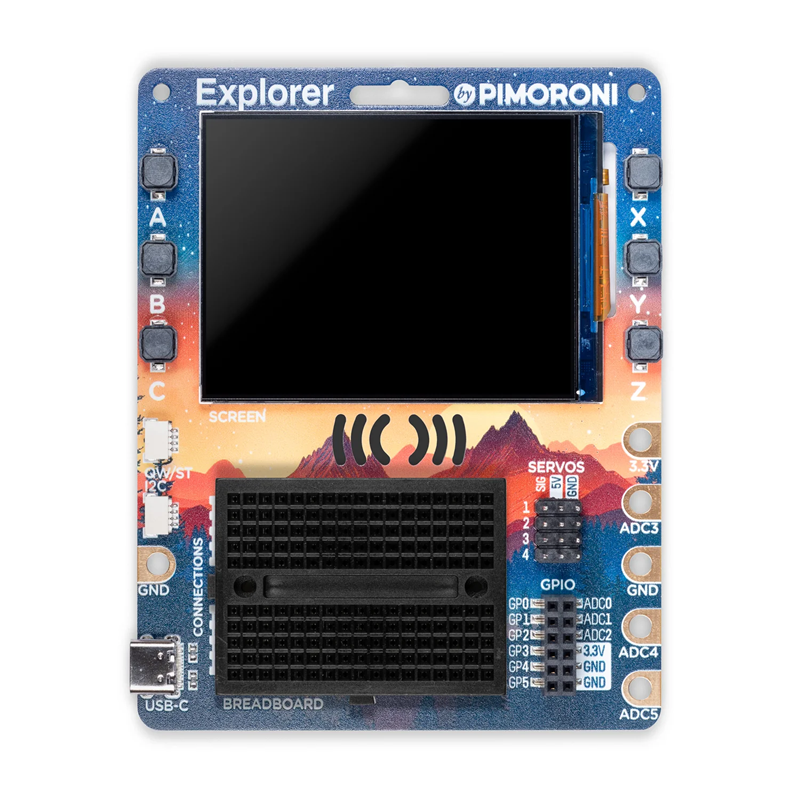
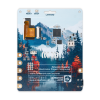
An educational platform based on the modern RP2350 microcontroller with two Arm Cortex-M33 cores up to 150 MHz, 520 KB of SRAM, and 16 MB of Flash memory. It features a 2.8" color IPS display with a resolution of 320 × 240 px, six user buttons, a piezo speaker, and a mini breadboard for solderless prototyping. Numerous GPIO pins, ADCs, servo connectors, alligator clips, and two Qw/ST ports enable quick connection of sensors and actuators. Pimoroni PIM744
Pimoroni Explorer is a versatile and robust educational platform designed for experimentation, learning, and creative prototyping. At its heart is the modern RP2350 microcontroller, delivering high performance and great flexibility for electronic projects. The RP2350 features modern Arm Cortex-M33 cores or optionally RISC-V, enhanced PIO capabilities, advanced low-power modes, extended security features, and support for DVI/HDMI video output. In practice, this translates into a significant performance boost—up to 2× faster in MicroPython and up to 20× faster floating-point calculations in C/C++—as well as improved task handling thanks to increased RAM and support for external PSRAM.
Explorer enables users to build projects, conduct scientific experiments, and create small robots and interactive inventions. On board is a 2.8” color IPS display, allowing clear presentation of data, menus, and measurement results. Six large capacitive touch buttons make it easy to control projects without connecting additional components. A built-in piezo speaker allows the generation of sounds, alerts, and simple audio effects. The miniature breadboard and numerous GPIO and ADC breakouts make Explorer ideal for learning electronics without soldering. Servo connectors enable rapid creation of moving projects such as vehicles or manipulators. Additional terminals for alligator clip leads simplify work in classroom and workshop environments. Thanks to Qw/ST connectors, modern I²C sensors can be easily connected. Everything is mounted on an aesthetic, stable base with feet, and optional battery power enables mobile projects. Explorer is an ideal choice for STEM education and beginner makers.
Data sheet
Manufacturer BTC Korporacja sp. z o. o. Lwowska 5 05-120 Legionowo Poland sprzedaz@kamami.pl 22 767 36 20
Responsible person BTC Korporacja sp. z o. o. Lwowska 5 05-120 Legionowo Poland sprzedaz@kamami.pl 22 767 36 20
An educational platform based on the modern RP2350 microcontroller with two Arm Cortex-M33 cores up to 150 MHz, 520 KB of SRAM, and 16 MB of Flash memory. It features a 2.8" color IPS display with a resolution of 320 × 240 pixels, six user buttons, a piezo speaker, and a mini breadboard for solderless prototyping. Numerous GPIO, ADC, servo connectors, alligator clips, and two Qw/ST ports enable quick connection of sensors and actuators. Pimoroni PIM720
No product available!
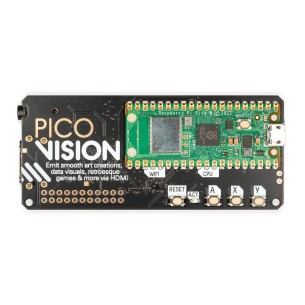
Versatile digital video module. It uses two RP2040 chips (one in the form of a Raspberry Pi Pico W board and the other as a separate RP2040 microcontroller) and is equipped with an HDMI output connector. Pimoroni PIM686
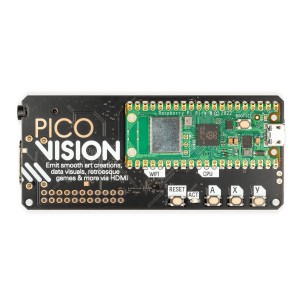
Versatile digital video module. It uses two RP2040 chips (one in the form of a Raspberry Pi Pico W board and the other as a separate RP2040 microcontroller) and is equipped with an HDMI output connector. Pimoroni PIM674
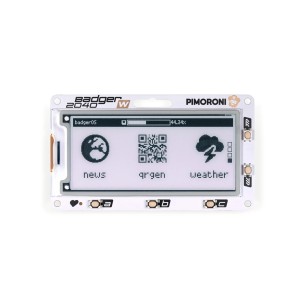
Module with a 2.9" ePaper display and a Raspberry Pi Pico W board equipped with WiFi communication. It has a built-in Qwiic/Stemma QT connector with an I2C interface, buttons and a battery connector. Perfect as a display for a weather station. Pimoroni PIM669
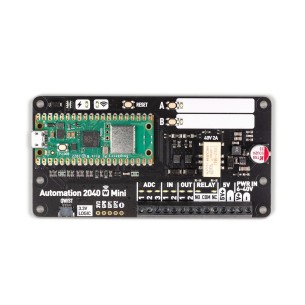
Expansion module with a Raspberry Pi Pico W board equipped with WiFi communication. The module has a built-in relay, buffer inputs, sink outputs and analog inputs. Perfect for controlling fans, pumps, solenoid valves, large motors, electronic locks or LED lighting. Pimoroni PIM652
No product available!
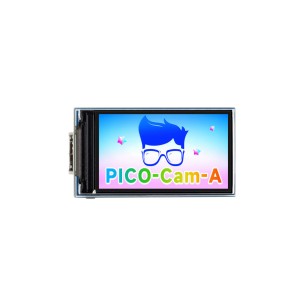
Module with a 1.14" IPS LCD display with a resolution of 240x135 px and a monochrome HM01B0 camera. Equipped with an RP2040 microcontroller. Waveshare PICO-Cam-A
No product available!
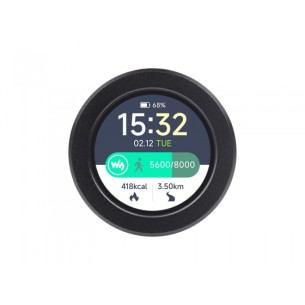
Module with a round 1.28" IPS LCD touch display with a resolution of 240x240 px and an RP2040 microcontroller. Equipped with an accelerometer and gyroscope. Enclosed in a nice metal housing. Waveshare RP2040-Touch-LCD-1.28-B
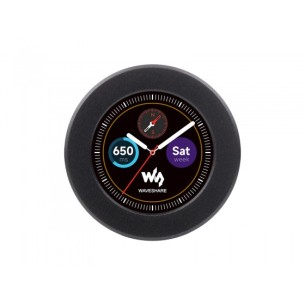
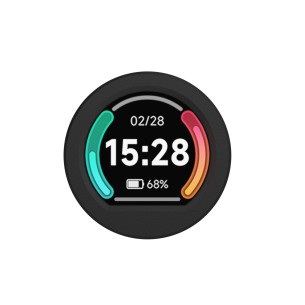
Module with a round 1.28" IPS LCD display with a resolution of 240x240 px and an RP2040 microcontroller. Equipped with an accelerometer and gyroscope. Enclosed in a nice metal housing. Waveshare RP2040-LCD-1.28-B
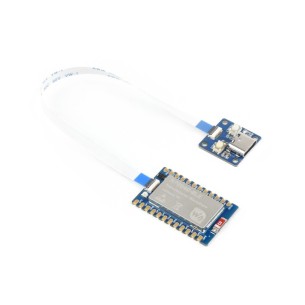
The RP2040 MCU board combines the high performance of two ARM Cortex M0+ cores clocked at up to 133 MHz, with 264 KB of SRAM, 2 MB of Flash, and integrated Bluetooth 5.1 for easy wireless communication. With simple programming, multiple GPIO interfaces, and support for C/C++, MicroPython, and Arduino, the board is ideal for IoT projects and other advanced applications. It comes with a USB Type-C adapter. Waveshare RP2040-BLE-Kit
No product available!
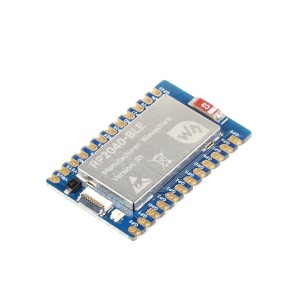
The RP2040 MCU board combines the high performance of two ARM Cortex M0+ cores clocked at up to 133 MHz, with 264 KB of SRAM, 2 MB of Flash, and integrated Bluetooth 5.1 for easy wireless communication. With simple programming, multiple GPIO interfaces, and support for C/C++, MicroPython, and Arduino, the board is ideal for IoT projects and other advanced applications. Waveshare RP2040-BLE
Module with a round 0.99" IPS LCD display with a resolution of 128x115 px and an RP2040 microcontroller. Equipped with an accelerometer and gyroscope. Enclosed in a nice metal housing. Waveshare RP2040-LCD-0.99-B
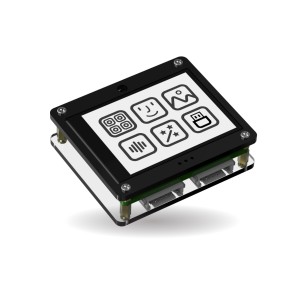
Camera adapter based on Raspberry RP2040, dedicated to TinyML development. is equipped with a 2.4-inch LCD screen, microphone, camera connectors and an IMU module. It allows you to take photos, use WiFi, SD card and USB mass storage. ArduCam B0432
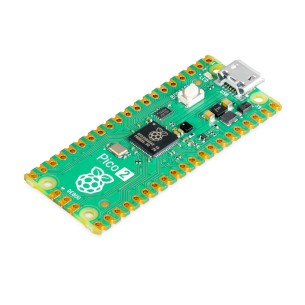
Raspberry Pi Pico 2, based on the RP2350 microcontroller, using the application and functional applications of the Cortex M33 and RISC-V cores, doubled SRAM memory and advanced security function, including Arm TrustZone. It is hardware and software with a connected model, which provides an attractive operation for enthusiasts and specialists in systems used
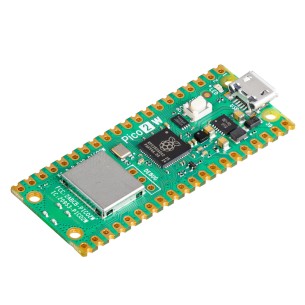
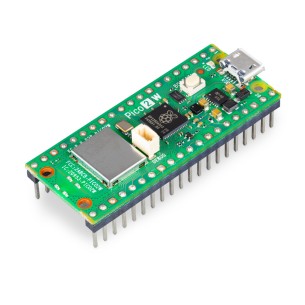
Raspberry Pi Pico 2W, based on the RP2350 microcontroller and has a built-in WiFi and Bluetooth communication module. Pi Pico 2W offers significantly increased performance and functionality thanks to the use of Cortex M33 and RISC-V cores, doubled SRAM memory and advanced security features, including Arm TrustZone. It is hardware and software compatible with previous models, making it an attractive choice for enthusiasts and professionals in the field of embedded systems
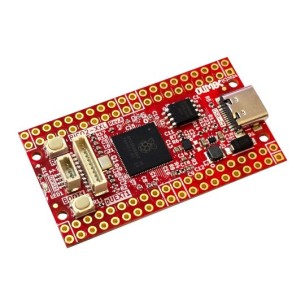
An enhanced version of the Raspberry Pi Pico 2 with access to all 48 GPIO pins and an RP2350B microcontroller (Cortex-M33 or RISC-V) clocked at up to 150 MHz. It offers 16 MB of Flash, 8 MB of RAM, and a microSD card reader, making it ideal for complex embedded and IoT projects. With USB-C, Qwiic/Stemma Qt, UEXT connectors, and BOOT/RESET buttons, it offers high flexibility and easy integration with peripherals. Olimex RP2350-PICO2-XXL
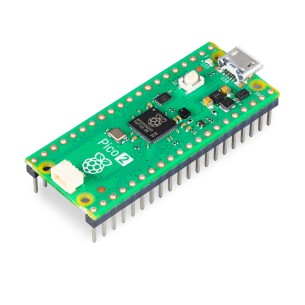
Raspberry Pi Pico 2 H, based on the RP2350 microcontroller, using the application and functional applications of the Cortex M33 and RISC-V cores, doubled SRAM memory and advanced security function, including Arm TrustZone. It is hardware and software with a connected model, which provides an attractive operation for enthusiasts and specialists in systems used. Version with joints.
Raspberry Pi Pico 2WH, based on the RP2350 microcontroller and has a built-in WiFi and Bluetooth communication module. Pi Pico 2WH offers significantly increased performance and functionality thanks to the use of Cortex M33 and RISC-V cores, doubled SRAM memory and advanced security features, including Arm TrustZone. It is hardware and software compatible with previous models, making it an attractive choice for enthusiasts and professionals in the field of embedded systems. Version with soldered joints.
An educational platform based on the modern RP2350 microcontroller with two Arm Cortex-M33 cores up to 150 MHz, 520 KB of SRAM, and 16 MB of Flash memory. It features a 2.8" color IPS display with a resolution of 320 × 240 px, six user buttons, a piezo speaker, and a mini breadboard for solderless prototyping. Numerous GPIO pins, ADCs, servo connectors, alligator clips, and two Qw/ST ports enable quick connection of sensors and actuators. Pimoroni PIM744